Camille

Camille

Movie · 2019 · 10 people

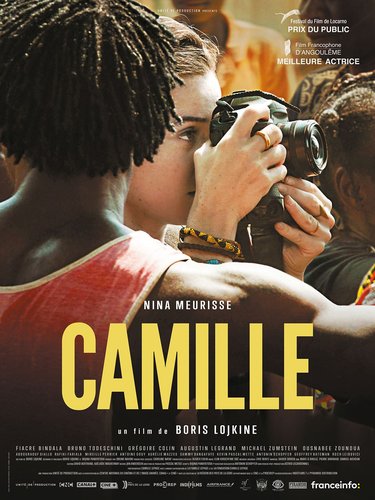
Boris Lojkine directed Camille, a 2019 biographical drama and French and Central African co-production. He wrote the screenplay with Bojina Panayotova, and Unité produced it. The film follows the last months of French photojournalist Camille Lepage during the 2013-2014 civil war in the Central African Republic. It is a French-language picture of about 92 minutes.

At its center is an idealistic young photographer. Camille, played by Nina Meurisse, travels to the Central African Republic to document the fighting and prepare a report on the war. What starts as an assignment quickly becomes a deep attachment; the country turns into the place that decides her fate. She keeps working in the conflict zone. In the story of Lepage, who died aged 26, the end comes when she is found dead with a political leader in a suspicious vehicle. Other accounts say Lepage was shot in 2014. Bruno Todeschini plays Mathias, Grégoire Colin plays François and Augustin Legrand plays Stol; Michaël Zumstein, Rafiki Fariala, Mireille Perrier and Antoine Gouy also appear.

DirectorBoris Lojkine
Production companyUnité

Reactions

You can pick up to 3 reactions.

Cast

Names without a link have no profile here yet.

Grégoire Colin Grégoire Colin Film actor · 51 years old François Nina Meurisse Bruno Todeschini Augustin Legrand Michaël Zumstein Rafiki Fariala Mireille Perrier Antoine Gouy Geoffrey Bateman Roch Leibovici

Through different eyes

AI-assisted editorial takes written from different viewer perspectives. They are not reader reviews; those are below.

History & Society Lens Asks about the period, the social background and what the work reflects.

The film brings to the screen the 2013-2014 civil war in the Central African Republic, a conflict that gets little room on the international agenda. In telling the last months of the real photojournalist Camille Lepage, it also raises the ethical questions of war reporting: when does the person documenting events stop being a witness and become part of them? Placing a European journalist at the center can at times push the experience of the country's own people into the background. That it is a French and Central African co-production, though, suggests the story is not built only from an outsider's view.

Cinephile Looks at script, editing and directing choices; keeps a distance from formula films.

The biggest trap of the biopic is turning its subject into a saint. Boris Lojkine and Bojina Panayotova's script seems aware of it, making the backbone of the narrative the way an idealistic young photographer's interest, which begins as an assignment, turns into deep attachment. That transformation is the right dramatic axis. But carrying tension in a true story whose end is known is hard; the film leaves much of the load to atmosphere and witness, which risks the middle stretch marking time. Its restrained language, free of easy sentiment, makes it a work to be taken seriously.

Action & Thriller Fan Puts pace, tension and set pieces first; little patience for slow drama.

It's set in a war zone, but it's no war action film; anyone expecting combat scenes will find a slow-paced drama. The tension comes less from guns than from a photojournalist's decision to keep working in a dangerous country. Being based on a true story gives that tension extra weight. Look elsewhere for something fast; the strength here lies in one journalist's courage.

Reviews (0)

Log in Log in to write a review.

Comments