Dabbe

D@bbe (Dabbe)

Movie · 2006 · 3 people

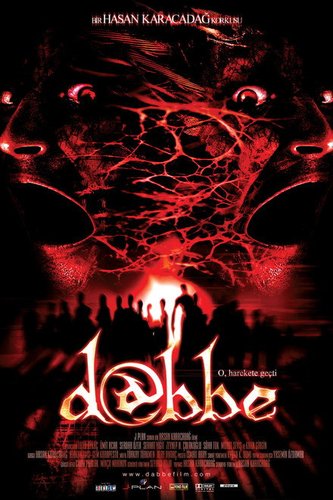
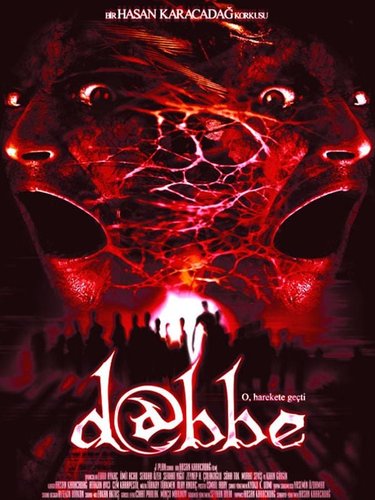
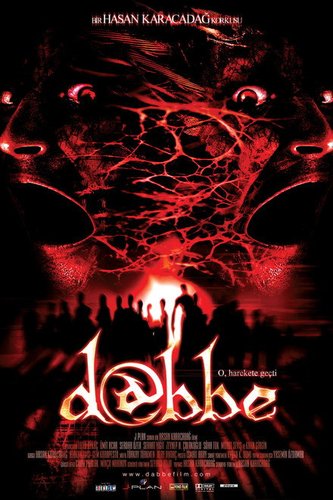
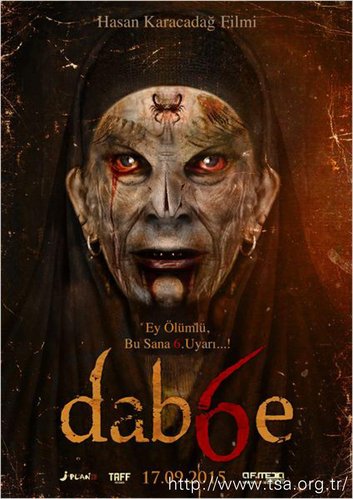
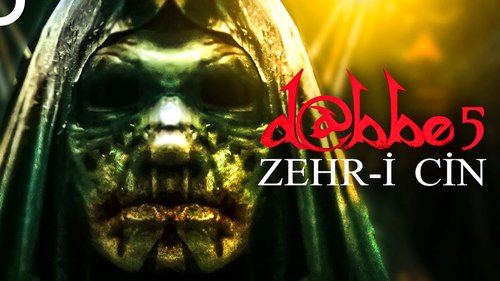
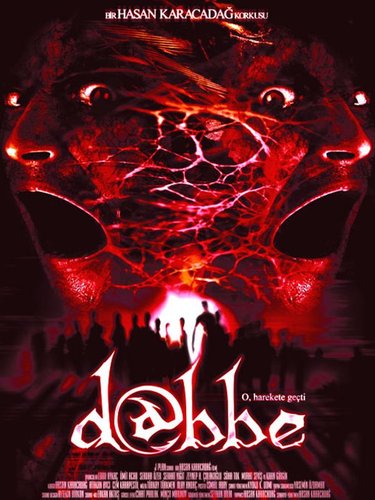
Hasan Karacadağ produced, directed and wrote the Turkish horror film D@bbe, released on 10 February 2006. His first feature, it opens the D@bbe series and adapts Kiyoshi Kurosawa's 2001 Japanese horror film Kairo; an American version, Pulse, followed in 2006. D@bbe was seen by 539,381 people in Turkish cinemas.

The story begins with mysterious suicides in the United States, where people choose horrifying ways to die. A similar case follows in Turkey: when a young man named Tarık kills himself in Izmir, the police question his close friends. Cem, Sema and Hande had been receiving e-mails from Tarık, who had grown into something like an internet addict, and they keep receiving them after his death, now accompanied by terrifying images. Dreams and reality begin to merge, and Hande realises that the Dabbetül Arz, the beast that the Quran says heralds the end of the world, is beginning to come true. The cast includes Ümit Acar, Ebru Aykaç, Kaan Girgin and Serdar Özer.

The title refers to the Dabbetül Arz of the Surah An-Naml, whose nature scholars have never agreed on, and the film reads it as the internet. Karacadağ spent years in Japan working in horror, and Japanese influence shows.

DirectorHasan Karacadağ
D@bbe (Dabbe) D@bbe (Dabbe) D@bbe (Dabbe)

Reactions

You can pick up to 3 reactions.

Cast

Through different eyes

Action & Thriller Fan Puts pace, tension and set pieces first; little patience for slow drama.

Dabbe builds its dread by creeping up on you rather than shouting. E-mails that keep arriving after someone's death is still a properly creepy idea, and the moments where dreams and reality blur land well. But 110 minutes is long for horror; the pace sags in places, and when you want more jolts the film asks for patience. Still, if you're curious about where modern Turkish horror took off, don't skip it.

Cinephile Looks at script, editing and directing choices; keeps a distance from formula films.

Karacadağ's debut feature makes no secret of adapting Kiyoshi Kurosawa's Kairo, and the influence of Japanese horror is plain in its atmosphere. Its most original move is reading the Dabbetül Arz of the Surah An-Naml as the internet: tying a foreign template to a local world of belief is what lifts it above a simple copy. The storytelling doesn't fully carry the idea, though; the shifts between the wide frame of suicides in America and the friends' story in Izmir can feel disjointed, and there is time that could easily be trimmed. Even so, as an attempt by Turkish horror to take the genre's language seriously, one that launched a series and drew over half a million admissions, it carries real historical weight.

Family Viewer Asks whether the whole household can watch it; cares about humour and heart.

This is not a family film. It is built on suicides, disturbing images and the idea of the end of the world; leaving small children aside, it may be too much even for teenagers. Using a religious concept as a source of horror may also bother some older relatives. Let adults who enjoy horror watch it among themselves. If there are kids in the house, wait until they are asleep.

These are not reader reviews: they are short editorial takes written from different viewer perspectives with AI assistance. Reader reviews are below.

Reviews (0)

Log in Log in to write a review.

Comments