

Profile
| Age at death | 58 |
|---|---|
| Birth date | June 28, 1936 |
| Birthplace | Ankara |
| Died | March 26, 1995 |
| Profession | Actor, Beauty pageant contestant |
| Zodiac sign | Cancer |
In the rankings

Filmography / Projects
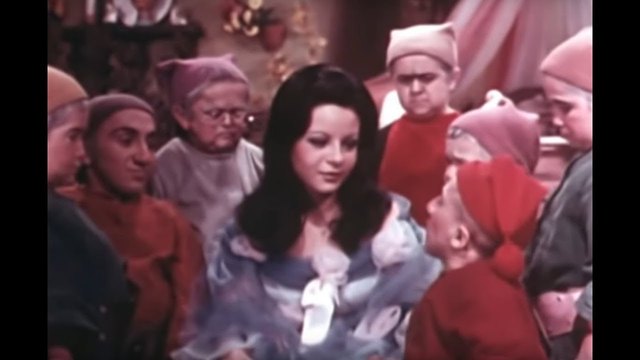
- Gecekondu Rüzgarı
-
- Gönül Meyhanesi
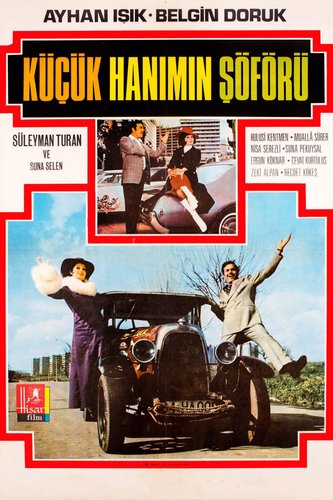
- Küçük Hanımın Şoförü
- Ayşecik Yuvanın Bekçileri
- Kanlı Nigar
- Yıkılan Gurur
- Sevgilim Artist Olunca
- Bozuk Düzen
- Şoförün Kızı
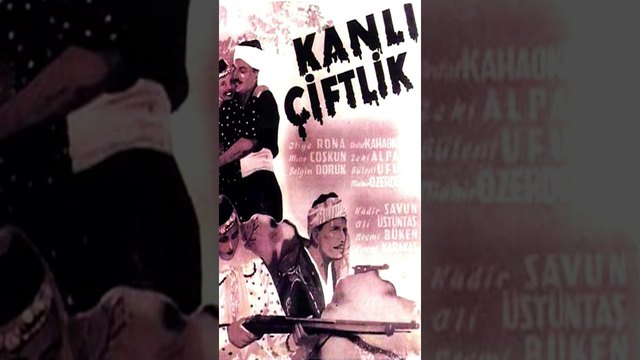
- Toprağın Kanı
- Allahaısmarladık Yavrum
- Broken Lives (Kırık Hayatlar) (translated)
- Hep O Şarkı
- Sayılı Dakikalar
- Güzel Bir Gün İçin
- Satılık Kalp
- Love and Grudge (Aşk ve Kin)
-
- İstanbul Kaldırımları
- Suçlular Aramızda
- Evcilik Oyunu
- Bitirimsin Hanım Abla
- Şoförler Kralı
- İlk Göz Ağrısı
- Kadınlar Hep Aynıdır
- Bahçevan
- Akdeniz Şarkısı
- Aşk Tomurcukları
-
-
- Yalnızlar İçin
- Gönül Avcısı
- Daima Kalbimdesin
- Küçük Hanımın Kısmeti
- Hayat Bazen Tatlıdır
-
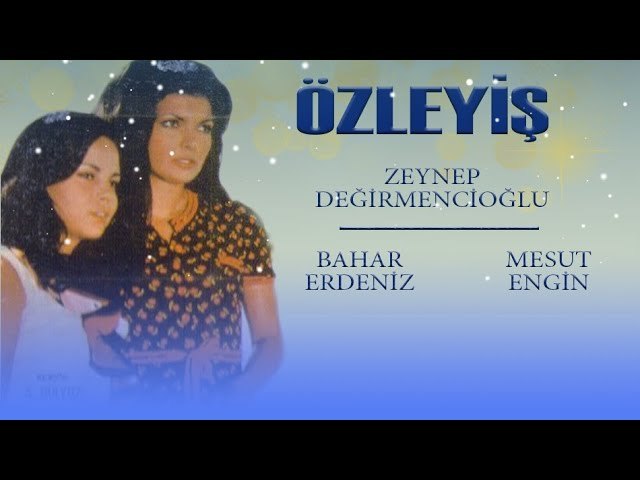
- Zavallı Necdet
- Bir Yaz Yağmuru
- Bülbül Yuvası
- Küçük Hanımefendi
- Tatlı Günah
- Bir Demet Yasemen
- Aşkın Saati Gelince
- Satın Alınan Adam
- Kanlı Firar
- Yeşil Köşkün Lambası
- Kahpe
- Gece Kuşu
- Aysecik: Şeytan Çekici
-
-
- Samanyolu
- Kederli Yıllar
- Binnaz
- Ömrümün Tek Gecesi
- Ölmeyen Aşk
- Beraber Ölelim
- Hayat Cehennemi
- Lejyon Dönüşü
- Mahşere Kadar
- Çölde Bir İstanbul Kızı
- The Last Musical Composition (Son Beste)
- Destiny (Kader)
-
-
-
- Çakırcalı Mehmet Efe'nin Definesi


Belgin Doruk — Biography
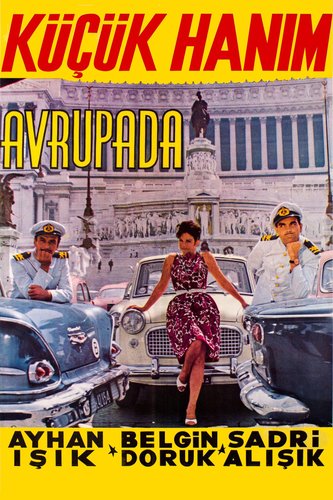
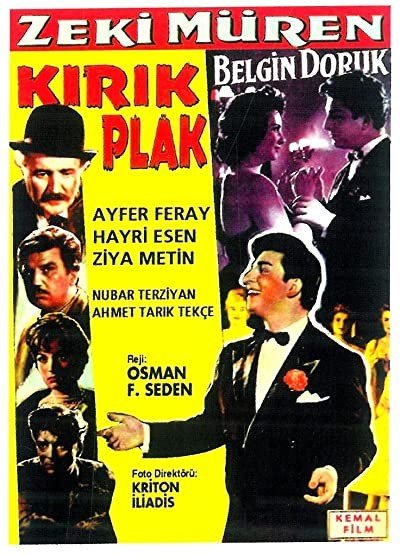
Belgin Doruk was one of the busiest and best-loved stars of Yeşilçam in the 1950s and 1960s. The Küçük Hanımefendi film series, in which she was paired with Ayhan Işık, gave her the nickname "Küçük Hanımefendi" (Little Lady), and films opposite Zeki Müren such as Son Beste and Kırık Plak are also closely tied to her name. She died of heart failure in Istanbul in 1995.
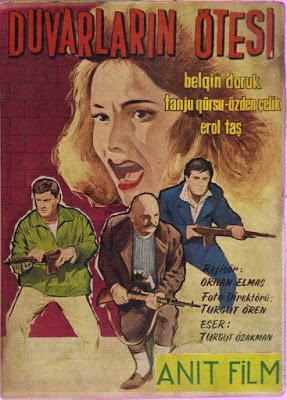
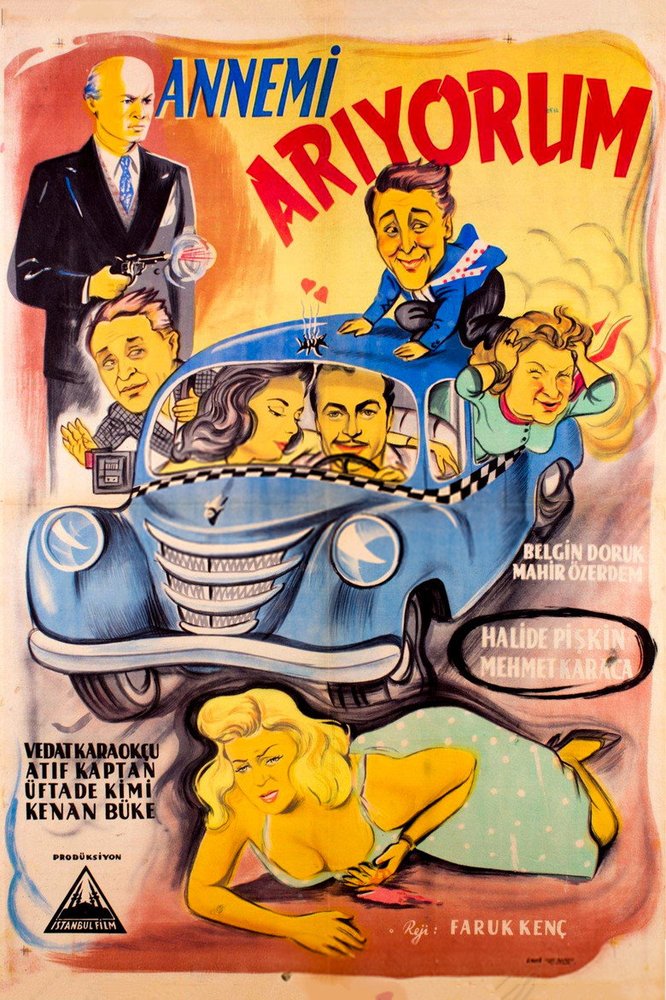
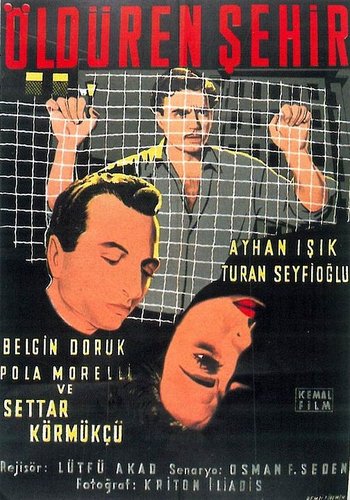
Her career began with a magazine contest: while in her last year of middle school she won the girls' prize in a competition run by Yıldız magazine and İstanbul Film, and made her screen debut in Çakırcalı Mehmet Efe'nin Definesi, directed by Faruk Kenç, a member of the jury. In 1953 she was named runner-up in a national beauty pageant and shared the lead with Ayhan Işık in Öldüren Şehir. In 1957 Lejyon Dönüşü and Çölde Bir İstanbul Kızı made her a nationally known name. Küçük Hanımefendi, directed by Nejat Saydam in 1961, broke box-office records and grew into a series, and Duvarların Ötesi (1964) was among the most talked-about films of its year. She was a fixture of melodramas and sentimental comedies.
In 1970 she won Best Actress at the Antalya Film Festival for Ayşecik Yuvanın Bekçileri. A changing film industry and health and personal problems in the early 1970s made work harder; after her last film, Gecekondu Rüzgarı (1972), she announced her retirement from cinema in 1975 and appeared in a television commercial in 1985. She married Faruk Kenç and later Özdemir Birsel, and had a daughter and a son.
Photos

Reactions
You can pick up to 3 reactions.
Comments