

Profile
| Age at death | 77 |
|---|---|
| Birth date | August 8, 1936 |
| Birthplace | İzmir |
| Died | July 25, 2014 |
| Place of death | Istanbul, Turkey |
| Profession | Actor |
| Zodiac sign | Leo |
In the rankings


Filmography / Projects
-
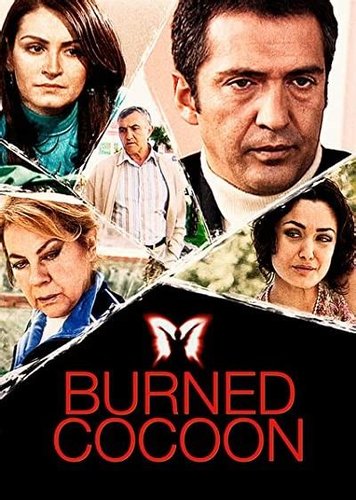
-
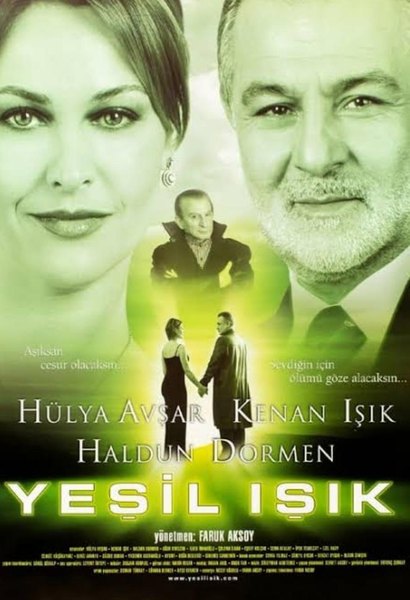
-
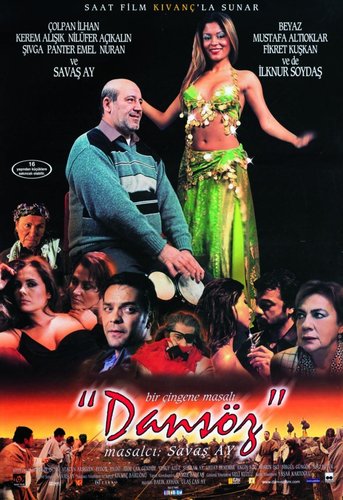
-
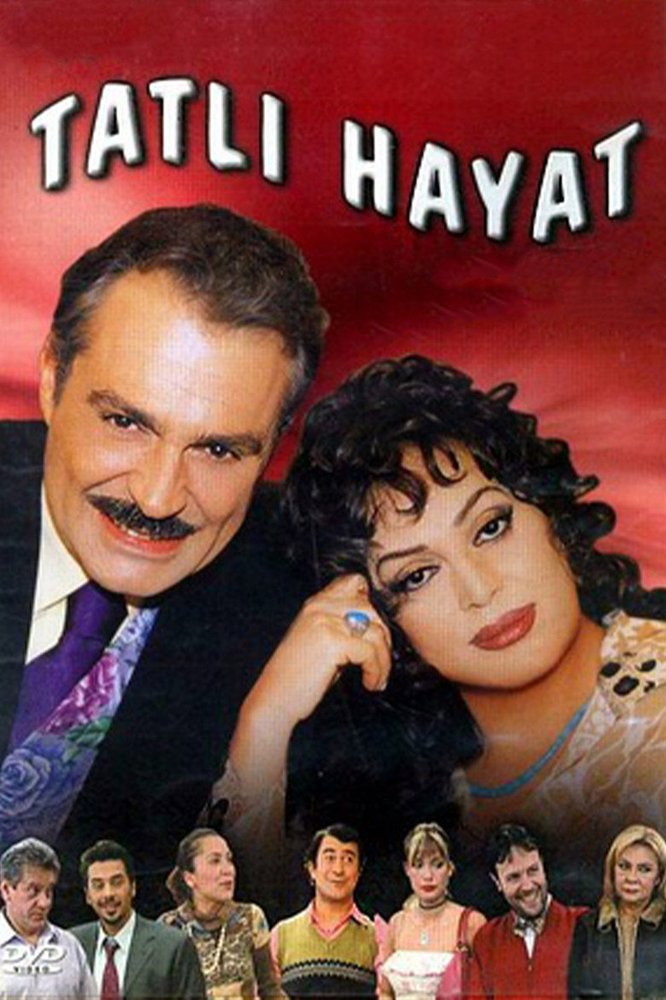
-
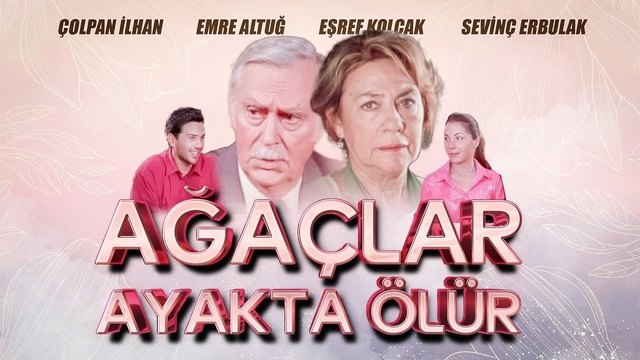
- Fake Worlds (Sahte Dünyalar) (translated)
- Seni Kalbime Gömdüm
- Aşk-ı Memnu
- Ne Hakem
- Ayyaş
- Fatoş Talihsiz Yavru
-
- Sonbahar Rüzgarları
- İnleyen Nağmeler
- Kaldırım Çiçeği
- Cemile: Yalancı
- Hicran Gecesi
- Zehirli Hayat
- Akşamcı
- Marko Paşa
- Ağlayan Kadın
- Sinekli Bakkal
- Yıkılan Gurur
- Ağır Suç
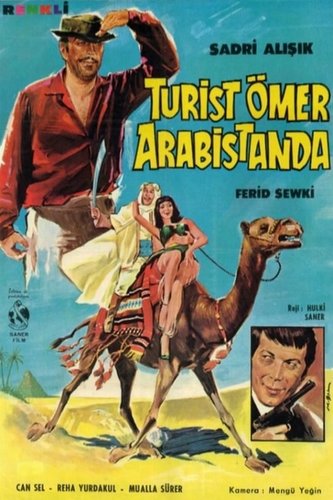
- Ömer the Tourist in Germany (Turist Ömer Almanya'da)
- El Kızı
- Kıskanç Kadın
- Kaderin Cilvesi
- Siyah Gül
- Ayşecik: Sokak Kızı
- Çalıkuşu
- Namus Kanla Yazılır
- İdam Mahkûmu
-
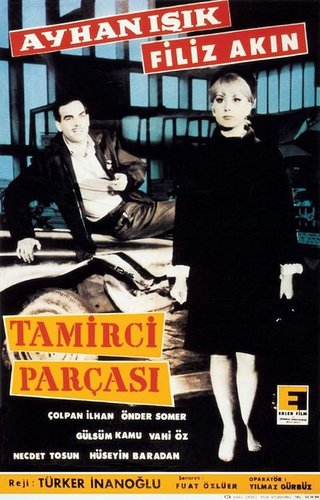
-
- The Bread Seller Woman (Ekmekçi Kadın)
-
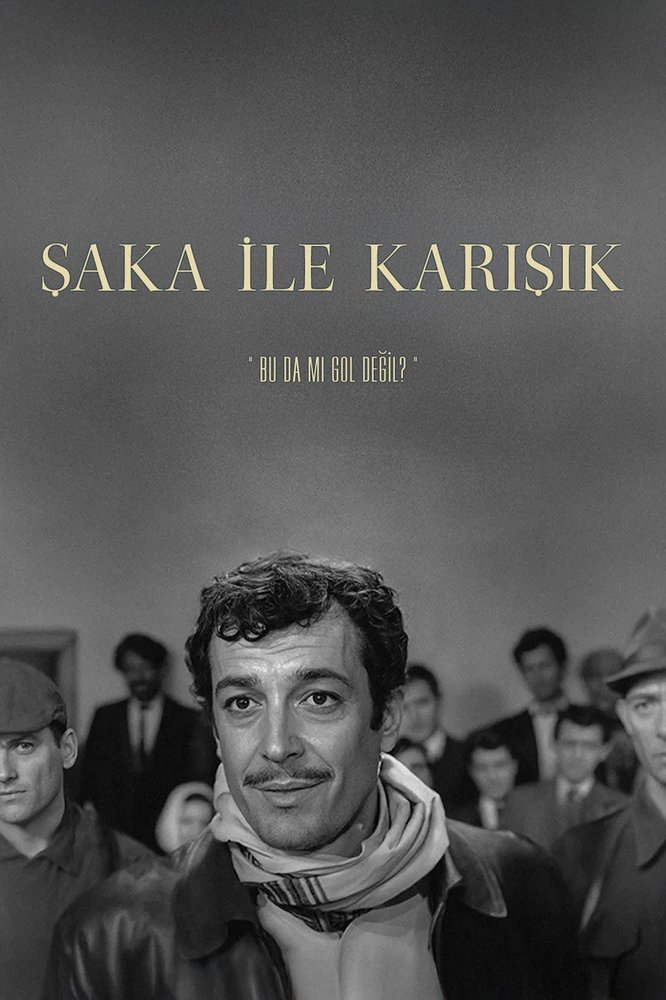
- Kolejli Kızın Aşkı
- Seven Kadın Unutmaz
- Kocamın Nişanlısı
- Yankesicinin Aşkı
- Komşunun Tavuğu
- Berduş Milyoner
- Zennube
- Ahtapotun Kolları
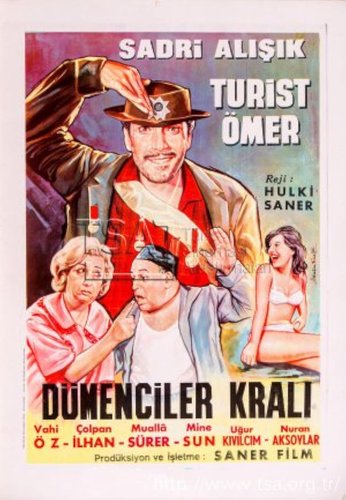
- Turist Ömer
- Bütün Suçumuz Sevmek
- Barut Fıçısı
- Korkusuz Kabadayı
- Kâmil Abi
- Temem Bilakis
- İkimize Bir Dünya
- Ver Elini İstanbul
- Allah Cezanı Versin Osman Bey
- Avare Mustafa
- Aşkın Saati Gelince
- Sonbahar Yaprakları
- Dağların Aslanı Sepetçioğlu
- From Cumba to Rumba (Cumbadan Rumbaya) (translated)
-
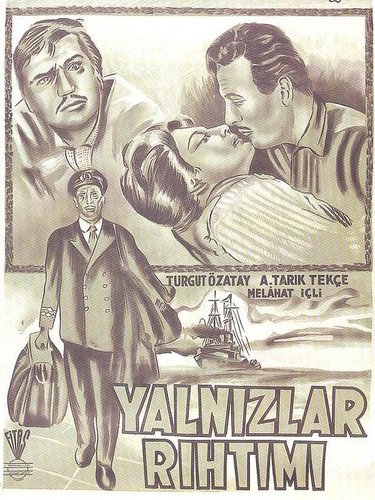
- Zümrüt
- Şeytan Mayası
- Kalpaklılar
- Bir Şoförün Gizli Defteri
- Yaşamak Hakkımdır
- Ak Altın
- Miras Uğrunda


Çolpan İlhan — Biography
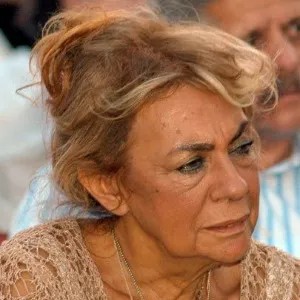
Çolpan İlhan was among the busiest actresses of Yeşilçam from the late 1950s into the 1970s, appearing in nearly two hundred films. She is credited with breaking down the split between "wicked woman" and "angelic woman" roles in Turkish cinema; on screen she often played the woman who comes between lovers.
In 1957 she took the lead in Kamelyalı Kadın and made her professional stage debut in Sevgili Gölge. Atıf Yılmaz's Bir Şoförün Gizli Defteri (1958) made her known across the country, and in 1959 she married Sadri Alışık, her co-star in Yalnızlar Rıhtımı. She paused for a year after their son Kerem was born, returned with Avare Mustafa (1961), and won Best Supporting Actress at the İzmir Film Festival for Ahtapotun Kolları. At the end of the 1970s, after the series Aşk-ı Memnu, she stepped back from acting for fashion design, and later appeared in Dansöz, Tatlı Hayat and Cumbadan Rumbaya.
After Sadri Alışık's death in 1995 she founded the Sadri Alışık Theatre in 1997 to keep his name alive and started the Sadri Alışık Theatre and Cinema Actor Awards. She was named State Artist in 1998 and received lifetime honors at the Golden Orange (2003) and the Adana Golden Boll (2013). She died of a heart attack in Istanbul on July 25, 2014, and was buried beside Sadri Alışık at Zincirlikuyu Cemetery.
Photos
Reactions
You can pick up to 3 reactions.
Comments