Yalnızlar Rıhtımı

The Lonely Ones' Quay (Yalnızlar Rıhtımı)

Movie · 1959 · 4 people

The Turkish drama and romance Yalnızlar Rıhtımı ("The Lonely Ones' Quay") dates from 1959 and is in black and white. Ömer Lütfi Akad directed it ten years into his film career, having made twenty features since 1949. İhsan İpekçi produced it for İpek Film, and the script came from the poet Attilâ İlhan writing as Ali Kaptanoğlu. The film leans toward the Poetic Realism movement and stirred real argument when it opened.

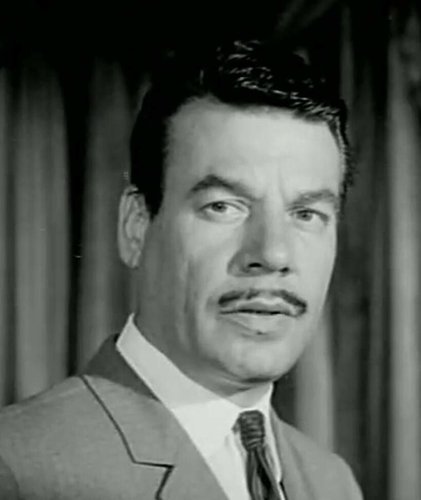
It is a love-and-adventure story. Güner (Çolpan İlhan), a nightclub hostess kept by the currency-smuggling bar owner Ali (Turgut Özatay), becomes bound up with the ship's captain Rıdvan (Sadri Alışık). Osman Alyanak and Saadettin Erbil also appear, and some scenes were shot in İzmir.

Some critics praised it while others were merciless; Nijat Özön called it a freak of a film. Its script was said to owe something to Marcel Carné's 1938 Le Quai des Brumes, written by Jacques Prévert. Çolpan İlhan sings the title song in a husky voice, a tango-style number composed by Necdet Koyutürk and the film's most remembered element. Hulki Saner wrote the score and Yuvakim Filmeridis shot it. Sadri Alışık and Çolpan İlhan married after the film and stayed together until his death in 1995.

DirectorÖmer Lütfi Akad
Production companyİpek Film

Reactions

You can pick up to 3 reactions.
Cast

Through different eyes

Yeşilçam Nostalgic A viewer raised on the classics, looking for warm storytelling and strong acting.

Yalnızlar Rıhtımı feels like one of the moments when Yeşilçam came closest to poetry. Attilâ İlhan's pen is in the script and Ömer Lütfi Akad's craft is behind the camera, and that pairing alone is reason enough to be curious. For me, though, the heart of the film is the tango Çolpan İlhan sings in that husky voice. A black-and-white quayside, a woman caught up among smuggling deals, and a ship's captain: for anyone who loves the melancholy of our old cinema, it is still a stop worth making. Seeing Sadri Alışık as a romantic captain has a charm all its own.

Cinephile Looks at script, editing and directing choices; keeps a distance from formula films.

An intriguing detour in Akad's filmography. The film leans on the Poetic Realism line that Marcel Carné's Le Quai des Brumes brings to mind, and for Turkish cinema of its day that counts as a bold move: harbour atmosphere, a love affair in the shadow of smuggling. The trouble is that Attilâ İlhan's image-laden, high-pitched writing and Akad's plainer storytelling don't always pull in the same direction. At times the text gets ahead of the images, and the dialogue sounds recited rather than lived. Still, Yuvakim Filmeridis's black-and-white photography and Hulki Saner's score carry the mood. Seen from today, Nijat Özön's harsh verdict feels overstated; but this is no flawless masterpiece either. It is an experiment that more than earns your attention.

History & Society Lens Asks about the period, the social background and what the work reflects.

The film looks at the night life of a quayside: a bar owner who smuggles currency, the nightclub hostess who is his kept woman, and a captain who comes in from the sea. That triangle hints at an order in which a woman depends on a man's money and protection. Putting currency smuggling at the centre of the story is also a small clue about money and profit in that era. Some scenes were shot in İzmir, which adds interest for anyone curious about how the city looked in those years. And the fact that a poet wrote the script under a pen name, and that the film stirred argument on release, shows how much tension there was then between cinema, literature and criticism.

These are not reader reviews: they are short editorial takes written from different viewer perspectives with AI assistance. Reader reviews are below.

Reviews (0)

Log in Log in to write a review.

Comments