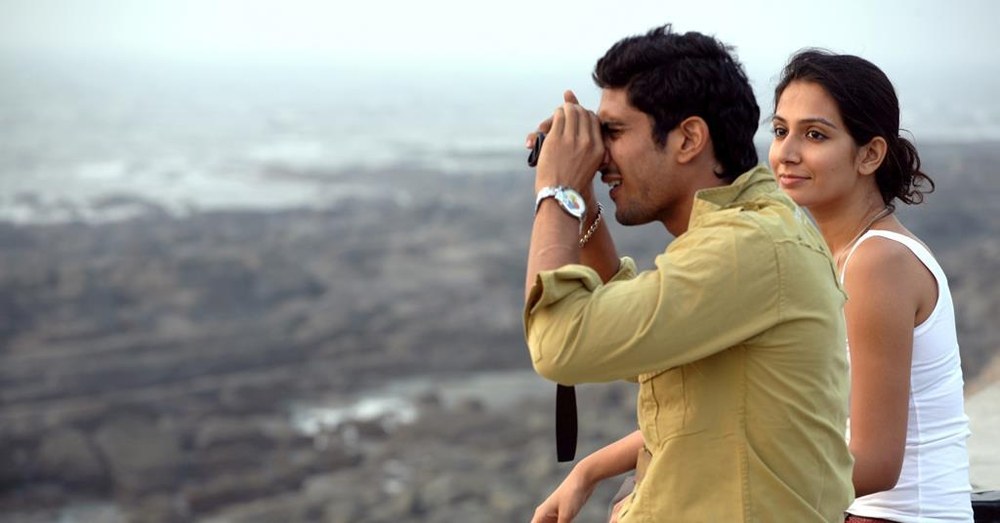
Dhobi Ghat

Dhobi Ghat

Movie · 2010 · 6 people

Kiran Rao made her debut as a director with Dhobi Ghat (the washerman's ghat), a 2010 Indian drama. Released internationally as Mumbai Diaries and Bombay Diaries, it was released in Turkey as Mumbai Günlükleri. Shot in Hindi and English, it keeps the city of Mumbai constantly in the background. It is considered an art film belonging to what Indian cinema calls parallel cinema.

The film follows four people from different lives and backgrounds whose paths cross by chance. Arun (Aamir Khan) is a solitary painter. Shai (Monica Dogra) is a banker and keen photographer. Munna (Prateik Babbar) is a washerman who wants to become an actor. Yasmin (Kriti Malhotra) is a newly married woman who records video letters to her brother. Aamir Khan both stars and co-produced the film with Rao.

The screenplay is by Rao; the score is by Gustavo Santaolalla, with a song by Ryuichi Sakamoto. Aamir Khan Productions and Reliance Entertainment produced it. The film premiered in September 2010 at the Toronto International Film Festival and reached cinemas on January 21, 2011. Critics received it well, though it was an average box-office performer, and it made the longlist at the 65th BAFTA Awards for Best Film Not in the English Language.

DirectorKiran Rao
Production companyAamir Khan Productions
Dhobi Ghat Dhobi Ghat Dhobi Ghat

Reactions

You can pick up to 3 reactions.

Cast

Names without a link have no profile here yet.

Aamir Khan Aamir Khan Actor · 61 years old Arun Prateik Babbar Monica Dogra Kriti Malhotra Kitu Gidwani Rehan Khan

Through different eyes

AI-assisted editorial takes written from different viewer perspectives. They are not reader reviews; those are below.

Cinephile Looks at script, editing and directing choices; keeps a distance from formula films.

A multi-character structure in which four strangers' paths cross by chance is a favorite of art cinema, and a risky one: when it works, the city becomes the real protagonist binding everyone together; when it strains, the encounters look like coincidences arranged by the screenwriter's hand. Kiran Rao's decision in her debut to keep Mumbai constantly in the background gives that structure a solid footing. Choosing Gustavo Santaolalla for the score also signals a deliberate step away from the song tradition of mainstream Indian cinema. For a first film it is controlled and ambitious. Carrying four stories with equal weight is the known weakness of this form, and the risk of some characters staying at sketch level is a limit the film does not fully overcome.

History & Society Lens Asks about the period, the social background and what the work reflects.

Even the title is a choice: it puts the washermen's ghat, the city's unseen labor, in the name. A solitary painter, a banker who is a keen photographer, a washerman who wants to act: bringing together people who share one city but belong to very different strata invites the question of how classes brush past each other in a metropolis like Mumbai. Set a washerman's acting dream beside a banker's passion for photography and you sense that even the freedom to dream is distributed by class. For viewers who know Indian cinema only through colorful song-filled productions, it is a valuable window onto another face of the city.

Family Viewer Asks whether the whole household can watch it; cares about humor and heart.

Dhobi Ghat comes from the art-film tradition known as parallel cinema and follows the lives and dreams of four very different adults. Aamir Khan's name may raise hopes of a family film, but the film does not meet them. Children will find it dull. Grandparents expecting a song-and-dance Indian film may be surprised too. It is better suited to adults watching on their own on a quiet evening.

Reviews (0)

Log in Log in to write a review.

Comments