En Uzun Gün

The Longest Day

Movie · 1962 · 15 people

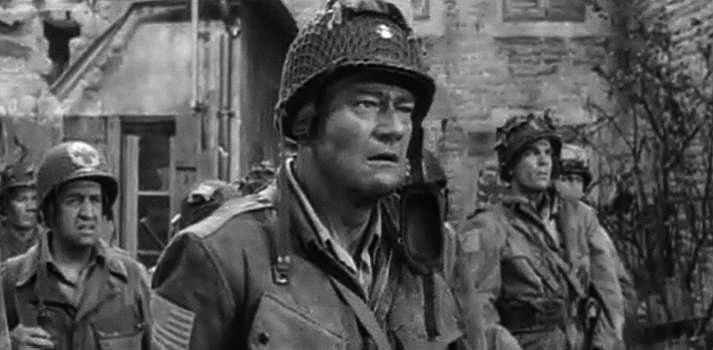
Cornelius Ryan's 1959 nonfiction book of the same name was adapted into The Longest Day, an American epic war film of 1962. It recounts the Allied landings in Normandy on June 6, 1944, following the operation from the American, British, French and German perspectives — from the invasion's planning through the airborne drops to the desperate fight to gain a foothold on the beaches. Its title echoes a remark attributed to Field Marshal Erwin Rommel, who warned before the invasion that the first twenty-four hours would decide Germany's fate and that it would be the longest day for both sides. Darryl F. Zanuck produced the picture for 20th Century Fox, while three directors divided the work: Ken Annakin handled the British and French sequences, Andrew Marton the American ones and Bernhard Wicki the German scenes, each shot in the appropriate language. Shot in black and white, the film assembles a vast international ensemble — John Wayne, Robert Mitchum, Henry Fonda, Richard Burton, Sean Connery and many others — often in little more than cameo roles. Hailed by critics and a major box-office success, it became the era's highest-grossing black-and-white film and won Academy Awards for black-and-white cinematography and special effects from five nominations, including Best Picture.

DirectorKen Annakin, Bernhard Wicki
Production company20th Century Fox

Reactions

You can pick up to 3 reactions.

Cast

Only cast members with a profile on this site are listed.
Georges Wilson Georges Wilson Film actor · died at 88 Dominique Zardi Actor · died at 79 John Wayne Robert Mitchum Henry Fonda Richard Burton Robert Ryan Rod Steiger Robert Wagner Paul Anka Fabian Richard Beymer Mel Ferrer Jeffrey Hunter Sal Mineo
Through different eyes

Action & Thriller Fan Puts pace, tension and set pieces first; little patience for slow drama.

The scale is enormous: airborne drops, beach landings, four sides living through the same day. War cinema rarely works on a canvas this wide. But to be honest about pace, the film gives the pre-invasion planning a lot of room before the fighting starts. If you want tension right away, the opening stretch can feel heavy going; stick with it and the payoff is big.

Cinephile Looks at script, editing and directing choices; keeps a distance from formula films.

The production's most interesting decision is language: the different fronts were shot by Ken Annakin, Andrew Marton and Bernhard Wicki in the languages of the countries involved. Set against war films of the era in which everyone spoke English, that lends the story real authenticity. The award for the black-and-white cinematography is no surprise either; it leans on a documentary feel built on contrast rather than colour. The weak point is the star cast: with names like John Wayne, Robert Mitchum and Henry Fonda mostly in brief roles, the film becomes less a bond with individual characters than a mosaic of famous faces. That structure conveys the size of the event well but sometimes leaves the drama on the surface.

History & Society Lens Asks about the period, the social background and what the work reflects.

That a film made less than twenty years after the war tells the Normandy landings from the German side as well as the American, British and French ones is worth noting. Even its title rests on a remark attributed to Field Marshal Erwin Rommel, so the other side reaches the screen as people who think and wait, too. Adapting Cornelius Ryan's nonfiction book gives the production historical weight; still, this is a big studio picture, and it is worth remembering that heroic storytelling may at times take precedence over documentary rigour. It is also a valuable source for understanding how the Western alliance of the Cold War years looked back on a shared victory.

These are not reader reviews: they are short editorial takes written from different viewer perspectives with AI assistance. Reader reviews are below.

Reviews (0)

Log in Log in to write a review.

Comments