Serbest Bölge (film)

Free Zone

Movie · 2005 · 10 people

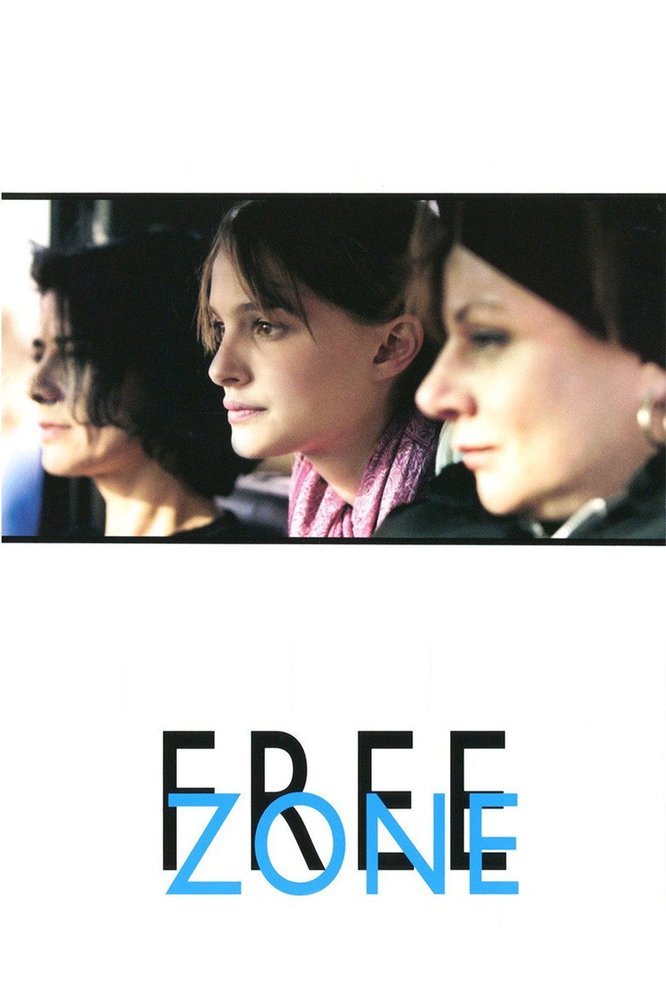
Israeli filmmaker Amos Gitai made the 2005 drama Free Zone, a road story set in the Middle East and the second film of his "Border" (Frontier) trilogy. An Israeli-Belgian-French-Spanish co-production, it was shot in Israel and Jordan and the dialogue is mostly English and Hebrew. It premiered at the Cannes Film Festival on 19 May 2005 and reached Turkish cinemas on 7 September 2007.

The story begins with Rebecca (Natalie Portman), a young American who has just broken off her engagement and climbs into a Tel Aviv taxi. She asks the driver, Hanna (Hana Laszlo), to take her anywhere but here. Hanna is heading to the Free Zone in eastern Jordan on her husband's business, and Rebecca goes along. When they arrive they learn from Leila (Hiam Abbass), a Palestinian woman, that the man they are looking for is not there, and Leila joins them as the three women set out to find him. On the road the women swap personal stories and confront the region's tensions.

Gitai wrote the screenplay with Marie-Jose Sanselme; Chava Alberstein composed the music. The cast also includes Carmen Maura and Makram Khoury. Laszlo won the Best Actress award at Cannes in 2005, and the film was in competition for the Palme d'Or.

DirectorAmos Gitai

Reactions

You can pick up to 3 reactions.

Cast

Only cast members with a profile on this site are listed.

Hiyam Abbas Hiyam Abbas Film actor · 65 years old Makram Khoury Makram Khoury Film actor · 81 years old Natalie Portman Carmen Maura Hana Laszlo Aki Avni Shredy Jabarin Uri Klauzner Liron Levo Tinkerbell
Through different eyes

Cinephile Looks at script, editing and directing choices; keeps a distance from formula films.

Gitai squeezes the road-movie template largely into the inside of a taxi and moves the region's tensions into the conversations of three women. The idea is strong: three women from different places forced to share the same road. But the structure risks turning the characters into representatives of the identities they carry rather than people, and at times the dialogue can feel like it is making an argument more than telling a story. What holds the film up is the acting. Hana Laszlo's Best Actress award at Cannes suggests her taxi driver Hanna carries the film's emotional weight. As the second part of the Border trilogy, it is a meaningful stop for anyone curious about Gitai's cinema.

History & Society Lens Asks about the period, the social background and what the work reflects.

By putting a Tel Aviv taxi driver, a Palestinian woman and a young American on the same journey, the film tries to read the Middle East's tensions through women's everyday concerns rather than across negotiating tables. Making the destination a 'free zone' is telling too: the very name suggests an in-between space where borders loosen and nobody is quite at home. The way the personal stories shared on the road intertwine with the regional conflict shows how politics seeps into individual lives. Still, entering the story through an outsider, Rebecca, brings a tendency to view the region from the outside.

Family Viewer Asks whether the whole household can watch it; cares about humour and heart.

The subject matter is aimed at adults: a young woman who has just broken off her engagement, three women searching for a man, and the region's tensions. It is a road story built on conversation, so it will be hard to hold young children's attention. The dialogue is mostly English and Hebrew, which means following subtitles too. A better pick for high-school-age teens and grown-ups.

These are not reader reviews: they are short editorial takes written from different viewer perspectives with AI assistance. Reader reviews are below.

Reviews (0)

Log in Log in to write a review.

Comments