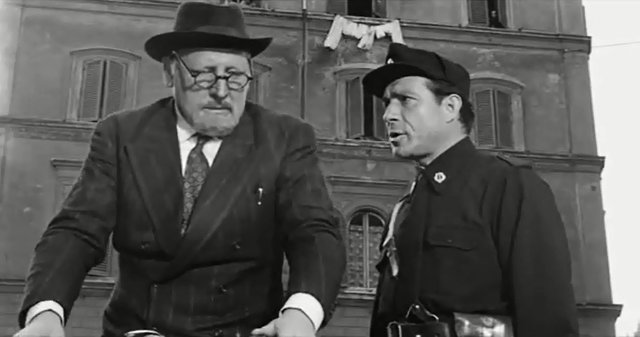
The Fascist

The Fascist (Il federale)

Movie · 1961 · 15 people

Luciano Salce directed The Fascist (Il federale), an Italian comedy-drama from 1961 made with French co-producers. It is sometimes also classed as a war comedy. It drew large audiences in Italy, took in about 310 million lire and ranked seventh among domestic productions in the year it came out. The film counts among the early examples of the commedia all'italiana tradition.

Ugo Tognazzi, Georges Wilson and Stefania Sandrelli share the leading roles. The cast also includes Gianrico Tedeschi, Elsa Vazzoler, Luciano Bonanni, Gianni Agus, Renzo Palmer, Ester Carloni, Mimmo Poli, Franco Giacobini, Nando Angelini and Gino Buzzanca, and director Salce also appears. The film runs about 102 minutes.

Salce, Franco Castellano and Giuseppe Moccia wrote the screenplay, and Dino De Laurentiis produced it. It is also notable as the first feature film with a score by Ennio Morricone, long before the western music that made him famous. The film is known as Mission ultra-secrète in France, Zwei in einem Stiefel and Die Helden machen Überstunden in Germany, and El federal in Spain.

DirectorLuciano Salce

Reactions

You can pick up to 3 reactions.

Cast

Only cast members with a profile on this site are listed.
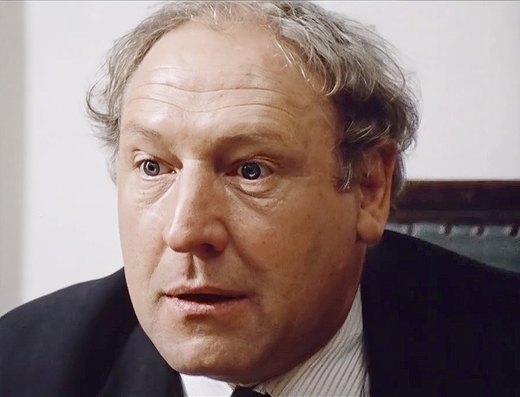
Georges Wilson Georges Wilson Film actor · died at 88 Stefania Sandrelli Stefania Sandrelli Actor · 80 years old Ugo Tognazzi Gianrico Tedeschi Elsa Vazzoler Luciano Bonanni Gianni Agus Luciano Salce Renzo Palmer Ester Carloni Mimmo Poli Franco Giacobini Nando Angelini Peppino De Martino Gino Buzzanca
Through different eyes

Yeşilçam Nostalgic A viewer raised on the classics, looking for warm storytelling and strong acting.

Being the first feature scored by Ennio Morricone is reason enough even for music lovers; hearing Morricone before the famous Western themes is a curiosity of its own. The film is one of the early examples of the commedia all'italiana tradition. That style of making you think while you laugh, blending pain with humour, recalls the finest tragicomedies of Yeşilçam. In my view it pokes fun at human weakness with warmth rather than crudeness. For anyone devoted to 1960s Italian comedy, it is a link not to be missed.

Cinephile Looks at script, editing and directing choices; keeps a distance from formula films.

Luciano Salce's film comes from a time when commedia all'italiana was still writing its own rules, and that pioneering status is both its strength and its limit. The script, written with Castellano and Moccia, tries out the bittersweet tone the genre would master in later years. In my view, though, the shifts between comedy and drama aren't always smooth, and the fact that some sources call it a comedy-drama and others a war comedy can be read as a sign of that divided identity. With Dino De Laurentiis producing and a seventh-place finish among the year's domestic productions, it is a reminder that this was mainstream rather than experimental work. An instructive starting point for anyone curious about the genre's history.

History & Society Lens Asks about the period, the social background and what the work reflects.

As its title suggests, this film looks at fascism through comedy, and it was made only about fifteen years after the war ended. That timing matters: Italy choosing to talk about its recent past through laughter rather than tragedy is in itself a record of how society was facing those years. Its wide audience in Italy and takings of around 310 million lire suggest the public embraced that approach. On the other hand, humour can soften the past as much as it helps us understand it, and how far laughter should lighten the weight of fascism remains open to debate. An interesting window onto the spirit of its time.

These are not reader reviews: they are short editorial takes written from different viewer perspectives with AI assistance. Reader reviews are below.

Reviews (0)

Log in Log in to write a review.

Comments