
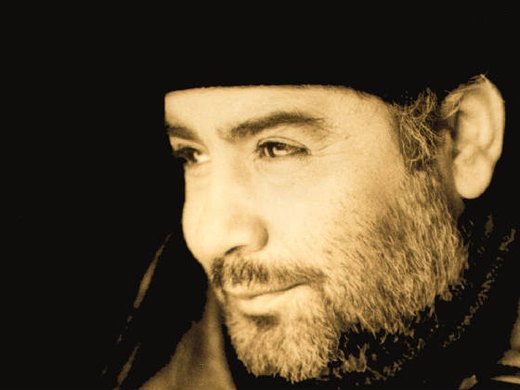
Ahmet Kaya
Singer · died at 43
Profile
| Age | died at 43 |
|---|---|
| Birth date | October 28, 1957 |
| Birthplace | Malatya |
| Died | November 16, 2000 |
| Profession | Singer, Composer, Poet, Musician |
| Zodiac sign | Scorpio |
| Uyruk | Türk |
| Ölüm Nedeni | Kalp krizi |
| Ölüm Yeri | Paris (15. bölge) |
| Channel | http://www.ahmetkaya.com/ |
Ahmet Kaya — Biography
Ahmet Kaya (28 October 1957, Malatya – 16 November 2000, Paris) was a Turkish singer, lyricist, composer and musician regarded as a pioneering figure of the protest and özgün music styles in Turkey. His albums rank among the country's best-selling records.
He was born the fifth child of a Kurdish father whose family had moved from Adıyaman to Malatya in 1956 and a Turkish mother from Erzurum. His father worked as a textile worker at the Sümerbank factory. Raised in poverty, he attended primary school in Malatya, and in a documentary about his own life he recalled being introduced to music at the age of six through a bağlama his father gave him. Outside school hours he worked in a record shop and on relatives' minibuses; at nine he found himself on stage for the first time at a workers' festival night organised by employees of his father's factory. When the family settled in Istanbul's Kocamustafapaşa neighbourhood in 1972, financial hardship forced him to leave school. He took unskilled jobs as a street vendor and apprentice, later finished high school externally and entered the violin department of an education institute. He did his military service in Gelibolu in 1978, continuing to play in the army orchestra.
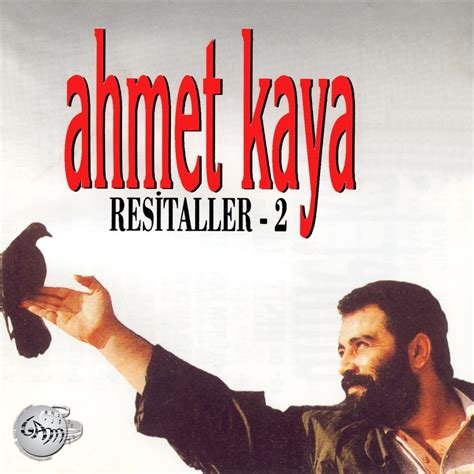
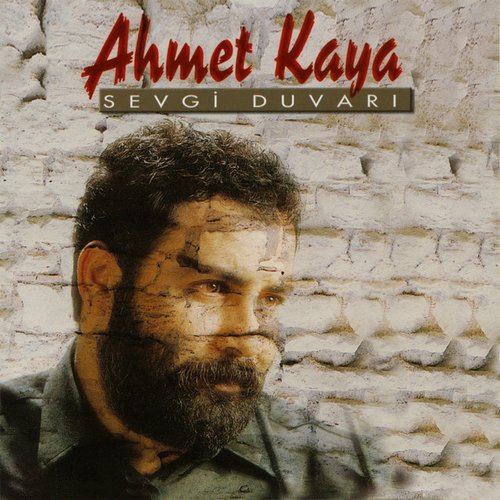
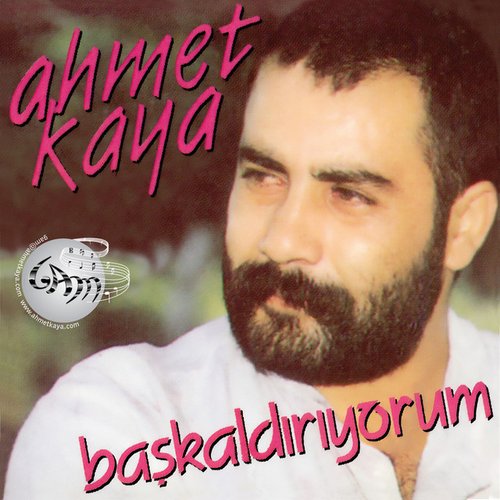
In 1985, at the age of twenty-eight, he took his songs to Unkapanı, Istanbul's record industry district, but nobody showed interest in music that fit no category, so he made his first album, Ağlama Bebeğim, with his own means and friends' help; the record was confiscated the year it came out, though the ban was later lifted. Acılara Tutunmak followed the same year, and he married Gülten Hayaloğlu, who passed him a poem by death-row prisoner Nevzat Çelik that became the foundation of Şafak Türküsü (1986), the album that brought him wide recognition. After An Gelir (1986), Yorgun Demokrat (1987), Başkaldırıyorum (1988) and İyimser Bir Gül (1989), the 1990s brought Sevgi Duvarı (1990), Başım Belada (1991), Dokunma Yanarsın (1992), Tedirgin (1993), Şarkılarım Dağlara (1994), Beni Bul (1995), Yıldızlar ve Yakamoz (1996) and Dosta Düşmana Karşı (1998), along with the concert recordings Resitaller 1 and Resitaller 2.
He also stepped in front of the camera, acting in the feature films Nisan Bitti (1986) and Bay E (1995), taking a role in the television series Aynalar (1996) and composing the scores for Tatar Ramazan (1990) and its sequel Tatar Ramazan: Sürgünde (1992).
In February 1999, at an awards ceremony gathering the country's most popular performers, he received the Musician of the Year prize and declared his wish to sing a song in Kurdish. The remark provoked uproar, public hostility and legal proceedings, and he left Turkey for self-imposed exile in Paris. On 16 November 2000 he died of a heart attack in the 15th arrondissement, aged 43. He described himself as a socialist democrat and human rights advocate. Posthumous releases such as Hoşçakalın Gözüm... (2001) followed, and he was honoured with the Presidential Culture and Arts Grand Award.
Photos
Reactions
You can pick up to 3 reactions.
Filmography / Projects
- 1990 Tatar Ramazan (müzik)
- 1992 Tatar Ramazan in Exile (Tatar Ramazan: Sürgünde) (translated) (müzik)
- 1995 Mr. E (Bay E) (translated) (oyuncu)
- 1996 Mirrors (Aynalar) (translated) (oyuncu)
Comments (0)