Babamın Sesi

Voice of My Father (Babamın Sesi)

Movie · 2012 · 4 people

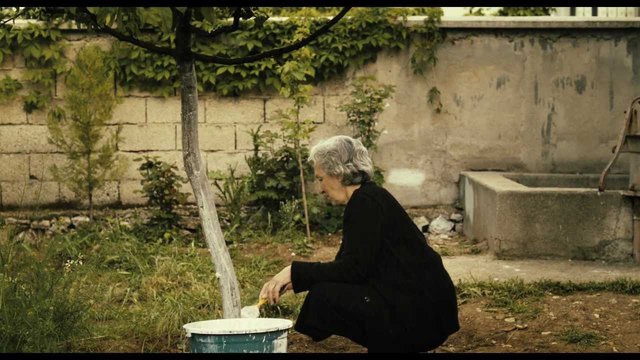
Orhan Eskiköy and Zeynel Doğan jointly directed Babamın Sesi (Kurdish: Dengê Bavê Min; English: Voice of My Father), a 2012 drama made from Eskiköy's screenplay. This Turkish, German and French co-production, made in Kurdish and Turkish and produced by Perişan Film, traces the mark of the Maraş Massacre on one family through a father's recorded voice.

Basê, who lives alone in Elbistan, waits for her eldest son Hasan to come home. Her other son, in Diyarbakır, finds a childhood cassette while packing. Unable to read or write, the family had sent tapes instead of letters to the father, a crane operator in Arabia, and he answered the same way. He died in a work accident, but his voice lives on. The son goes to Elbistan to find the other tapes and bring his mother to Diyarbakır, and old secrets surface. The cast includes Zeynel Doğan, Asiye Doğan (Basê), Gülizar Doğan and Fatih Gençkal.

It draws on Zeynel Doğan's own family and his father's real tapes. It premiered at the Rotterdam Film Festival on 29 January 2012. It won Best Film and Best Screenplay at the Golden Boll and Best Screenplay at Istanbul. It opened in cinemas on 2 November 2012, drew positive reviews, and is often compared with İki Dil Bir Bavul.

DirectorOrhan Eskiköy, Zeynel Doğan
Production companyPerişan Film

Reactions

You can pick up to 3 reactions.
Cast

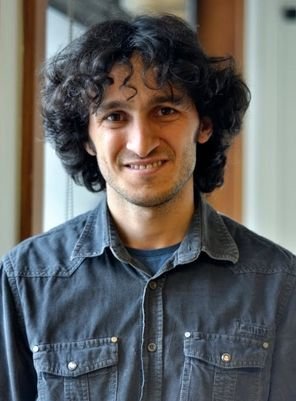
Zeynel Doğan Zeynel Doğan Actor · 47 years old Basê Doğan Gülizar Doğan Ahmet Talay

Through different eyes

History & Society Lens Asks about the period, the social background and what the work reflects.

Voice of My Father chooses to tell the Maraş Massacre not through the event itself but through the mark it left on a family's memory, and in my view that choice is what makes the film strong. An illiterate family sending cassettes instead of letters, fathers going to Arabia to work and mothers left behind quietly document a generation's way of communicating and the burden labour migration placed on families. Kurdish and Turkish being spoken side by side is part of this household's reality too. The film makes you think about a historical trauma not with big words but through a mother's waiting and the tapes a son finds; it reaches no easy conclusion and does not lecture its audience.

Cinephile Looks at script, editing and directing choices; keeps a distance from formula films.

The film's boldest move is the way it deliberately blurs the line between fiction and documentary: drawing on Zeynel Doğan's own family and his father's real tapes, the narrative feels more like testimony than acting. The recorded voice is both the structural spine and the main emotional motif; the image carries the present, the sound carries the past. The screenplay awards at the Golden Boll and in Istanbul look like recognition of this economical structure. On the other hand, the simplicity has a price: long silences and a slow pace that resists plot may test the patience of viewers used to narrative cinema. It is often mentioned alongside İki Dil Bir Bavul for good reason; both belong to a strand that prefers observation to dramatic construction.

Family Viewer Asks whether the whole household can watch it; cares about humour and heart.

This is not a film to put on casually for the whole family. Because its subject is the mark a massacre left on one family, it is heavy, and its pace is quite slow. It is not suitable for young children, who may also get bored. But watched with older children and grandparents, it can open a conversation between generations about family memory, migration and lost loved ones. The film is in Kurdish and Turkish, so following subtitles may be needed.

These are not reader reviews: they are short editorial takes written from different viewer perspectives with AI assistance. Reader reviews are below.

Reviews (0)

Log in Log in to write a review.

Comments