Marziye

Marziye

TV Series · 1998–2000 · 18 people

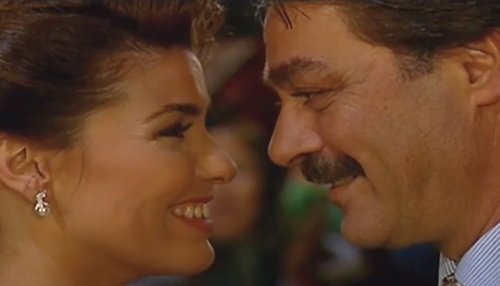
From 1998 to 2000 TGRT aired Marziye, a Turkish television series mixing drama with adventure. Yağmur Ajans made it, with Osman Yağmurdereli as producer. Across 65 episodes, it ended with the 65th installment, broadcast in 2000. Kadir İnanır and Gülben Ergen play the leads.

The story opens with Hazar Bey leaving prison. His father Zor Bey, almost smuggling him out of the jail, sends him to a farm as a steward to keep him away from possible danger. Meanwhile Veli, who walked out on his home years earlier, has become a wealthy landowner. Wanting to settle a debt of conscience, he takes in his daughter Marziye and her mother. Marziye meets Hazar Bey on the farm, and a love grows between them. The farm and wealth are the main themes of the world the series portrays.

Kadir İnanır plays Hazar Bey, Gülben Ergen is Marziye and Ekrem Bora is Veli Ağa. Nuran Devres wrote the series, and four directors shared the work: Taner Akvardar, Melih Gülgen, Erdoğan Tokatlı and Avni Kütükoğlu. Ali Otyam composed the music.

DirectorAvni Kütükoğlu
Production companyYağmur Ajans
NetworkTGRT

Reactions

You can pick up to 3 reactions.

Cast

Through different eyes

Series Binger A series devotee tracking character arcs, cast chemistry and season pacing.

A farm romance stretched over 65 episodes: the bond between Hazar Bey and Marziye is the show's load-bearing pillar, and the pairing of Kadir İnanır and Gülben Ergen has to keep it standing. A man out of prison, a father with a debt of conscience, a farm: the raw material is solid. But four directors sharing the work leaves room for shifts in style and pace from episode to episode. At this length there is also a real risk of the middle episodes circling the same conflicts; in my view the real question is how fresh this material could stay over more than two years on air.

Yeşilçam Nostalgic A viewer raised on the classics, looking for warm storytelling and strong acting.

A late-1990s series that brings a world Yeşilçam knew well to the small screen: a farm, an ağa, old debts and a love that grows in their shadow. Veli, who walked out on his home years ago, taking in his daughter and her mother to settle a debt of conscience gives the show the moral center the old melodramas loved. Ali Otyam's music and Nuran Devres's writing lend themselves to the emotional tone such stories need. Anyone who misses classic Turkish melodrama will find a familiar warmth here.

History & Society Lens Asks about the period, the social background and what the work reflects.

In the show's world, the farm and wealth are not just a backdrop but the real force shaping relationships. A man who left his home years ago becoming a wealthy landowner and taking in the daughter he left behind makes you think about how property remakes and breaks family ties. A father who sends his son, just out of prison, to a farm as a steward to keep him out of danger also shows a family model in which power and protection sit in the same hands. In my view the series also reflects late-1990s television's interest in stories built on land, inheritance and the power of the ağa.

These are not reader reviews: they are short editorial takes written from different viewer perspectives with AI assistance. Reader reviews are below.

Reviews (0)

Log in Log in to write a review.

Comments