The Seven Deadly Sins

The Seven Deadly Sins (Les Sept Péchés capitaux)

Movie · 1952 · 15 people

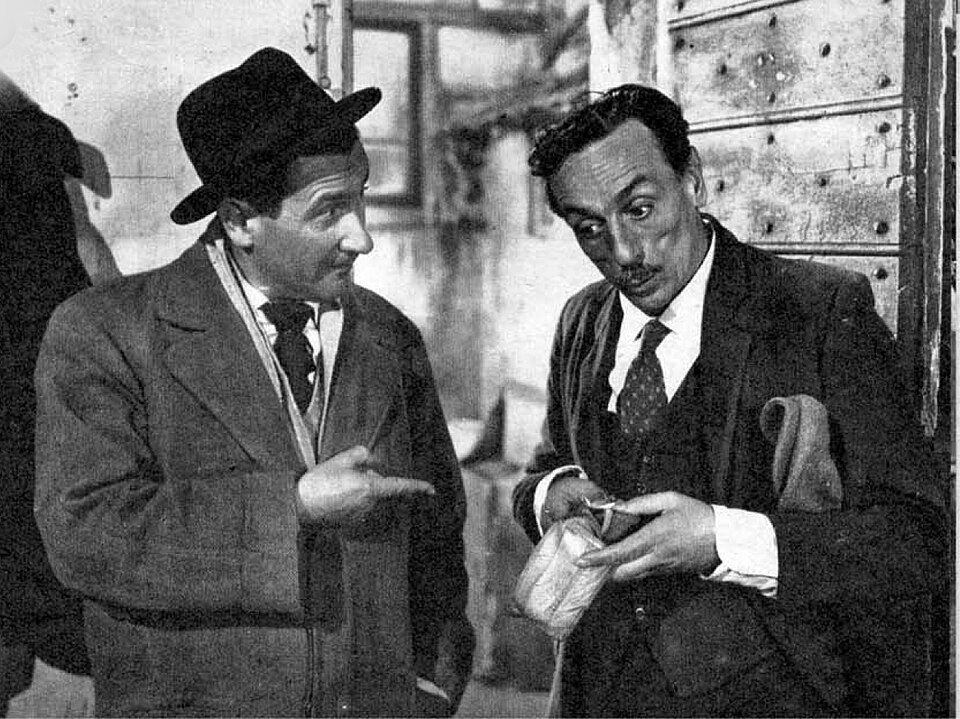
Les Sept Péchés capitaux (I sette peccati capitali, in English The Seven Deadly Sins) is a 1952 French-Italian co-production in the sketch-film form. It deals with the seven deadly sins in short chapters, each entrusted to a different director. Mixing drama and comedy, it runs about two hours. In Spain it was released as El Diablo siempre pierde, and in Latin America as Los siete pecados capitales. Eduardo De Filippo, Charles Spaak and Carlo Rim wrote the screenplay.

The chapters are titled Pride, Lust, Sloth, Envy, Avarice and Anger, and Gluttony, and the last is “The Eighth Sin”. Five were shot in France and two in Italy. Among the directors are Claude Autant-Lara, Eduardo De Filippo and Jean Dréville. In its Italian release, the film circulated without the seventh chapter.

The cast draws on the stars of French and Italian cinema of the day: Michèle Morgan, Françoise Rosay, Gérard Philipe, Isa Miranda, Louis de Funès, Viviane Romance, Maurice Ronet and Henri Vidal stand out, with Jean Debucourt, Louis Seigner, Paolo Stoppa and Sacha Pitoëff also appearing.

DirectorClaude Autant-Lara, Eduardo De Filippo

Reactions

You can pick up to 3 reactions.

Cast

Only cast members with a profile on this site are listed.
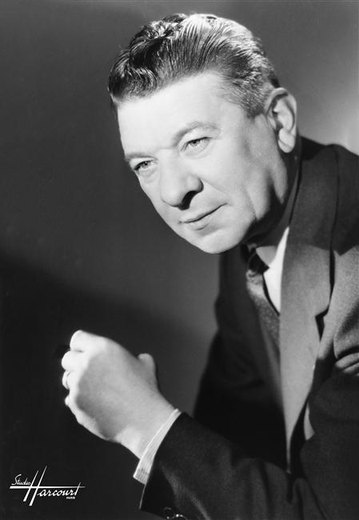
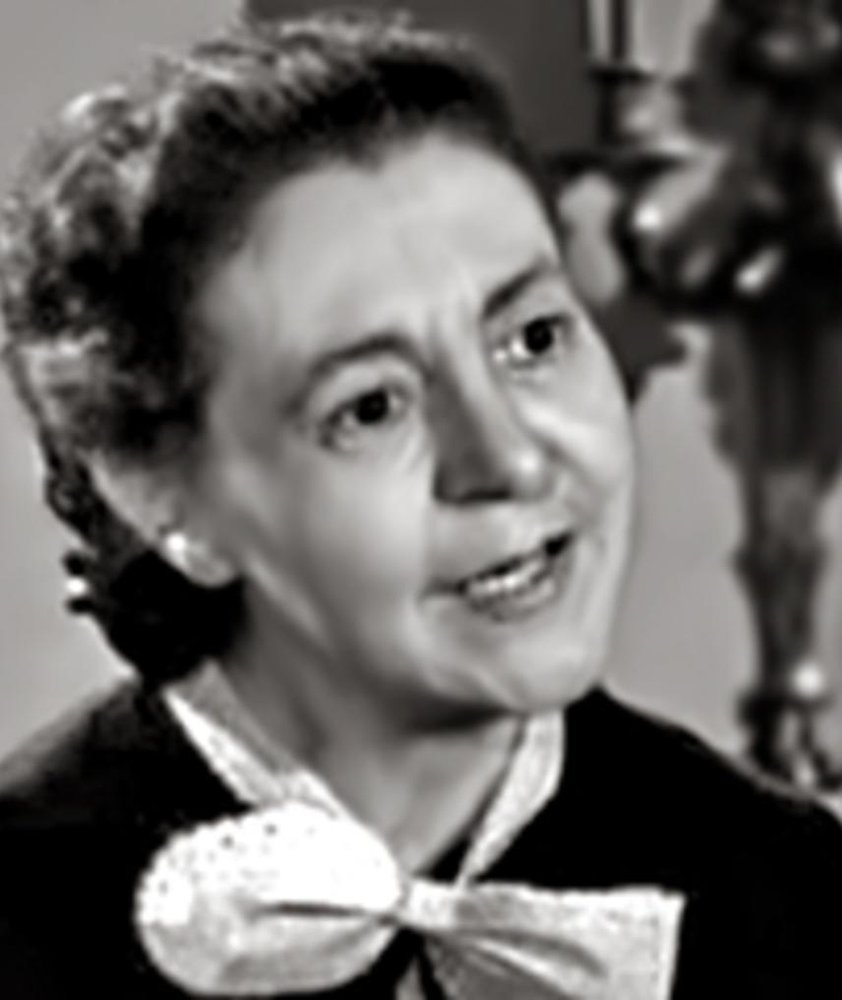
Robert Dalban Robert Dalban Actor · died at 83 Laure Paillette Laure Paillette Film actor · died at 71 Michèle Morgan Françoise Rosay Gérard Philipe Isa Miranda Louis de Funès Viviane Romance Jean Debucourt Louis Seigner Franck Villard Maurice Ronet Eduardo De Filippo Paolo Stoppa Henri Vidal
Through different eyes

Yeşilçam Nostalgic A viewer raised on the classics, looking for warm storytelling and strong acting.

Gathering the stars of 1950s French and Italian cinema in a single film, this anthology is like a window onto a golden generation. Having Gérard Philipe, Michèle Morgan, Françoise Rosay and Louis de Funès in one production is a reminder of how rich the acting of the period was. Treating an age-old moral theme like the seven deadly sins through both drama and comedy also recalls the moral-tale tradition of classic literature. A treasure worth watching one chapter at a time, without hurrying.

Cinephile Looks at script, editing and directing choices; keeps a distance from formula films.

The unavoidable problem of the sketch film applies here too: since each chapter was entrusted to a different director, tone and quality fluctuate from one to the next. The shifts between drama and comedy leave the impression of an anthology rather than a unified film. That the screenplay came from different hands, Eduardo De Filippo, Charles Spaak and Carlo Rim, can be read as richness or as scatter. In about two hours it is hard for each sin to develop fully anyway. The cleverest idea is the chapter that follows the seven, “The Eighth Sin”, a closing that plays with the format even on paper. And the fact that the Italian release lacks the seventh chapter is a reminder that the film circulated in different forms from country to country.

Family Viewer Asks whether the whole household can watch it; cares about humour and heart.

The subject is the seven deadly sins, with each chapter about a different one. Headings like envy, anger and gluttony are a good way to start a conversation with children. But Lust is among them too, which is worth knowing before watching with little ones. The film runs about two hours, and since it is split into chapters it can be watched over several sittings. Better suited to grown-ups who enjoy old films.

These are not reader reviews: they are short editorial takes written from different viewer perspectives with AI assistance. Reader reviews are below.

Reviews (0)

Log in Log in to write a review.

Comments