Vice and Virtue

Vice and Virtue (Le Vice et la Vertu)

Movie · 1963 · 5 people

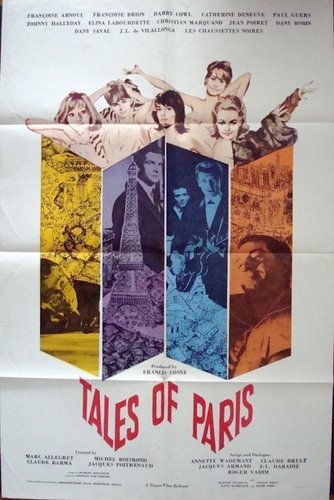
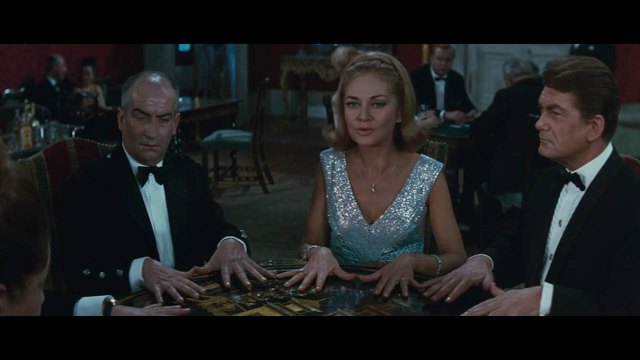
Roger Vadim directed Vice and Virtue (French: Le Vice et la Vertu), a 1963 French-Italian war drama that runs 108 minutes. It draws loosely on the Marquis de Sade's 1787 novel Justine and on its two morally opposed sisters. Vadim lifted the plot out of Sade's world and set it in France under German occupation during the Second World War. The result is a provocative production, close to the exploitation cinema of Nazi-exploitation and women-in-prison films.

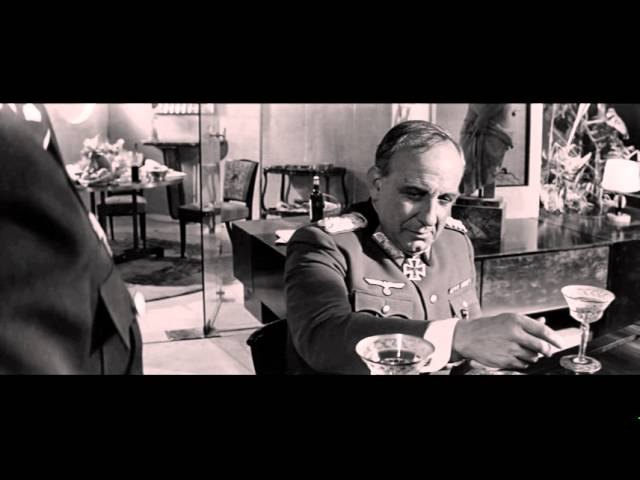
In the years of war and occupation the two sisters follow morally opposite paths: Juliette stands for vice and Justine for virtue. Annie Girardot plays Juliette and Catherine Deneuve, in her first notable film role, plays Justine. Robert Hossein appears as a sadistic German officer. The cast also includes Dominique Zardi, Henri Attal, Robert Dalban, Laure Paillette, O. E. Hasse, Philippe Lemaire, Serge Marquand, Luciana Paluzzi and Georges Poujouly.

The screenplay is by Roger Vailland and Roger Vadim. On release the film was taken as an insult to the French Resistance and was very badly received. MGM first distributed it, and Gaumont handled the 1967 re-release.

DirectorRoger Vadim

Reactions

You can pick up to 3 reactions.

Cast

Only cast members with a profile on this site are listed.

Through different eyes

Cinephile Looks at script, editing and directing choices; keeps a distance from formula films.

Roger Vadim's loose adaptation of Sade's Justine attempts a bold transposition, moving two morally opposed sisters into France under German occupation in the Second World War. The scheme in which Juliette stands for vice and Justine for virtue works clearly as allegory but risks reducing the characters to diagrams. The contrast between Annie Girardot and Catherine Deneuve, in her first notable role, is the film's load-bearing axis. The trouble is that it slides into a provocative idiom close to Nazi-exploitation and women-in-prison films, and that choice overshadows any serious reflection on the occupation. This 108-minute experiment shows Vadim's ambition, but it remains more a curiosity than a coherent work.

History & Society Lens Asks about the period, the social background and what the work reflects.

Vice and Virtue uses occupied France as a stage on which morality is tested: in the years of war and occupation, two sisters take opposite paths. Its real social story, though, is that on release it was taken as an insult to the French Resistance and very badly received. In 1963, less than twenty years after the war, telling the story of the occupation in the provocative idiom of exploitation cinema meant touching a social wound that was still fresh. Figures such as Robert Hossein's sadistic German officer make the violence of the occupation concrete, but how far the film makes us think about that violence, rather than simply displaying it, is debatable. Today it is interesting mainly as a document of how a society reckons with its recent past.

Family Viewer Asks whether the whole household can watch it; cares about humour and heart.

Vice and Virtue is definitely not a family film. It is a provocative production adapted from Sade's novel, set in the years of war and occupation and featuring a sadistic German officer. Its style is close to Nazi-exploitation and women-in-prison films. It is not something to put on with children or teenagers around. Only adults should choose it, and they should know what they are getting into.

These are not reader reviews: they are short editorial takes written from different viewer perspectives with AI assistance. Reader reviews are below.

Reviews (0)

Log in Log in to write a review.

Comments