Çetin İnanç

Çetin İnanç

Film director · 85 years old

Biography

Profile

Age85
Birth dateSeptember 12, 1941
BirthplaceAnkara
ProfessionFilm director, Film producer, Screenwriter
Zodiac signVirgo

Filmography / Projects

Çetin İnanç — Biography

Çetin İnanç is one of the fastest-working directors in Turkish popular cinema, which is why he is nicknamed the "jet director". He is best known for the 1982 film Dünyayı Kurtaran Adam, which reached cult-film audiences abroad as "Turkish Star Wars"; its fame is also why some writers compare him with Ed Wood. In 2024 it opened in Spain under the title "Star Wars Turco".

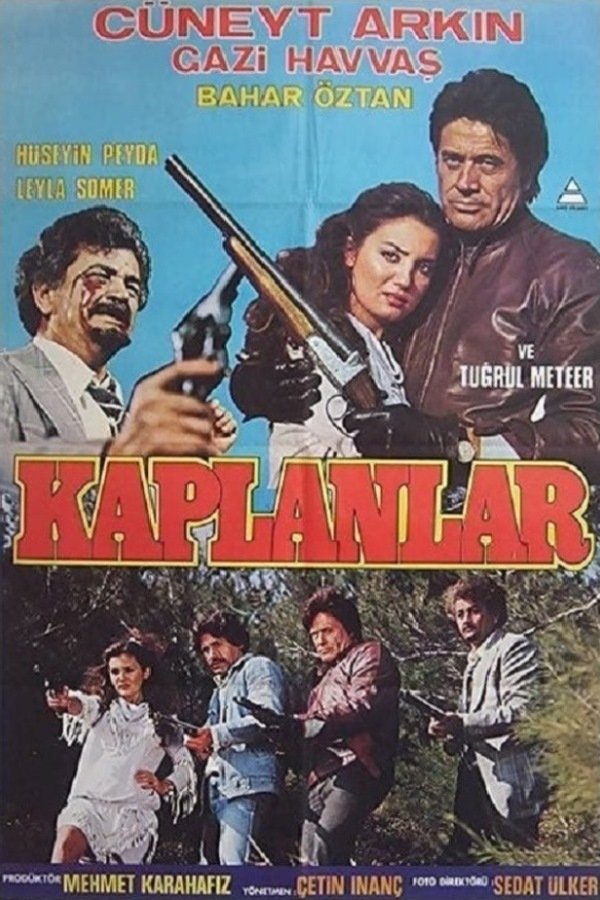
He left law studies unfinished and entered cinema in 1961 as an assistant on Atıf Yılmaz's Allah Cezanı Versin Osman Bey, and also worked in the crews of Lütfi Akad and Yılmaz Atadeniz. He began directing in 1967 with Çelik Bilek, adapted from a comic-book character, and then kept up a pace of close to ten films a year in adventure and action pictures such as Kızıl Maske, Demir Pençe and Çeko, the last starring Yılmaz Köksal. In the mid-1970s he turned to erotic films, and when censorship rules made that genre unattractive he went back to low-budget action. Dünyayı Kurtaran Adam belongs to that period and starred Cüneyt Arkın.

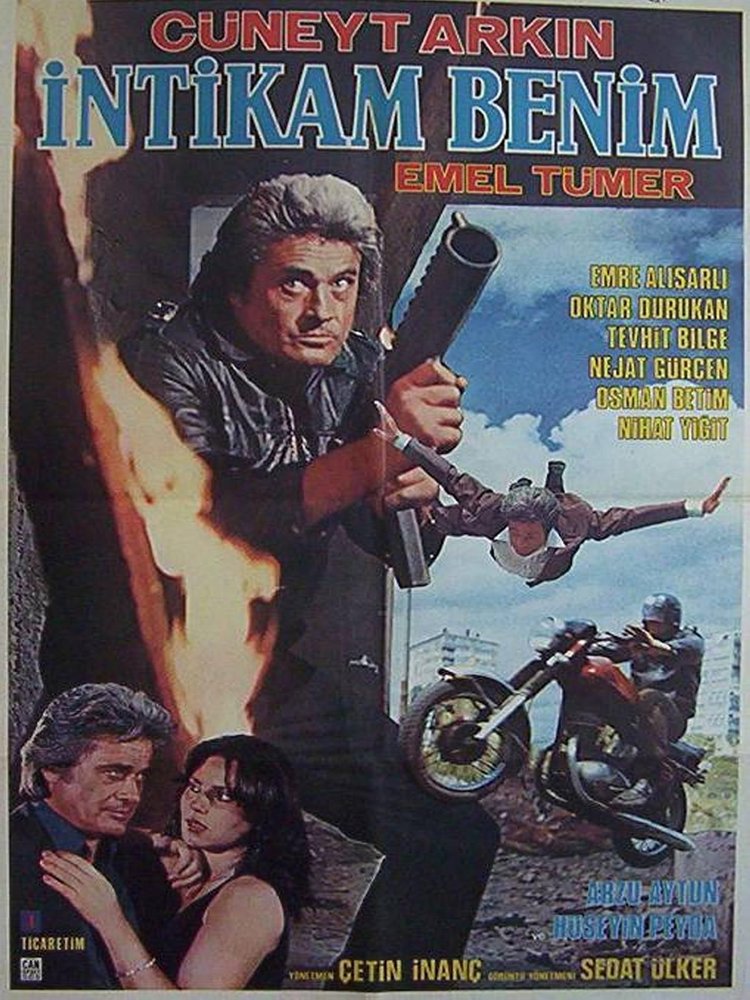
Later he directed films such as Ölüm Savaşçısı, İntikam Benim and Ölüme Son Adım, as well as television series. His output as director, writer and producer is said to exceed a hundred titles; in one interview he recalled finishing films in about ten days while producers asked for six.

Reactions

You can pick up to 3 reactions.

Their work through different eyes

AI-assisted editorial takes on this person's screen work, written from different viewer perspectives. They are not reader comments; those are below.

Action & Thriller Fan Puts pace, tension and set pieces first; little patience for slow drama.

The entry point to Çetin İnanç's cinema is clear: Dünyayı Kurtaran Adam. Cüneyt Arkın's pilot Murat fights the Wizard's creatures in a wild space adventure stitched together with footage, music and effects lifted from other films without permission. Ölüme Son Adım should come next, with a three-person team racing from one danger to the next to rescue a professor forced to make drugs for a gang. İntikam Benim is a more classic revenge story: a police chief who sank into drink and vanished comes back for his brother's killers.

Cinephile Looks at script, editing and directing choices; keeps a distance from formula films.

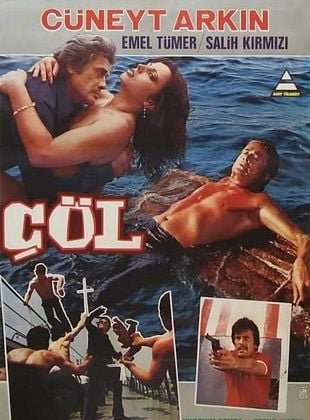
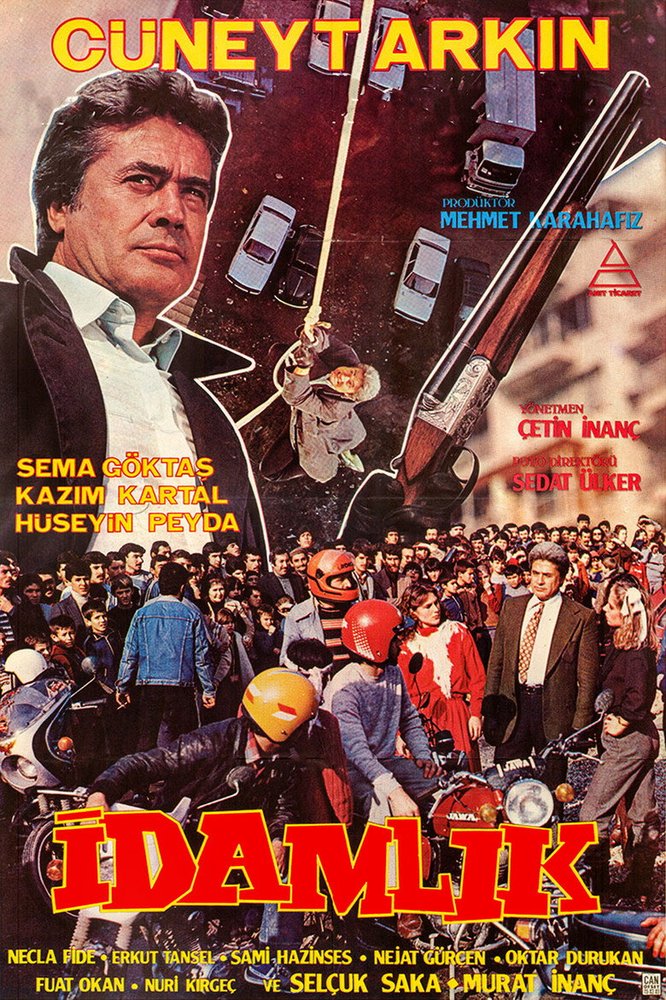
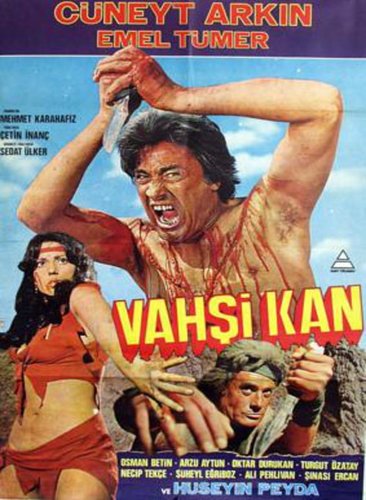
Çetin İnanç's films show plainly what speed costs a cinema. By his own account he finished films in about ten days, and that pace makes leaning on ready-made molds unavoidable: Çöl echoes a famous 1975 American shark thriller in its subject and several scenes, and Vahşi Kan borrows freely from a 1982 American action film. Even the hero's name often stays the same; like Inspector Murat in İdamlık, the lead in many of his films is called Murat, and the films read like episodes of one long serial. What you find here is production energy rather than choices of staging or editing. That is what makes İnanç interesting: he lays bare the limits of a film economy as they are, without trying to transcend them.

History & Society Lens Asks about the period, the social background and what the work reflects.

Çetin İnanç's work is well suited to tracing how Yeşilçam's popular hero changed costume over two decades. Kilink İstanbul'da, which he wrote, is a child of the masked-superhero fashion drawn from Italian photo comics. In Tophaneli Murat the hero is a poor grocer's boy who will not take revenge on the bully who killed his father, in a world of neighborhood, prison and honor. By the mid-1980s, in Korkusuz, the hero is a commando sent to infiltrate a band of terrorists in the mountains. That line from the street to the uniform shows the hero offered to audiences of the time turning from a young man on the city's edge into a soldier of the state.

Comments