Gece

La Notte

Movie · 1961 · 9 people

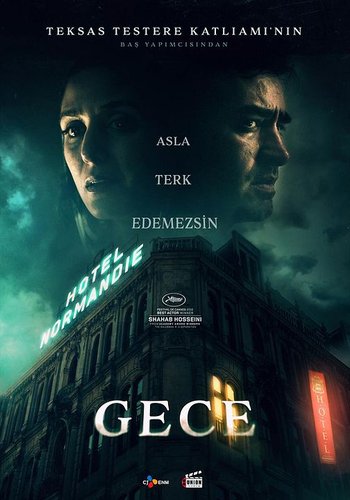
Michelangelo Antonioni directed La Notte (Gece in Türkiye), an Italian-French black-and-white drama from 1961. Abandoning conventional storytelling for visual composition, atmosphere and mood, he shot it on location in Milan. It won the Golden Bear at the 1961 Berlin Film Festival, the first time an Italian film had done so, and earned him the David di Donatello for best director. It placed 52nd in the 2022 directors' poll and is counted among Stanley Kubrick's ten favourite films.

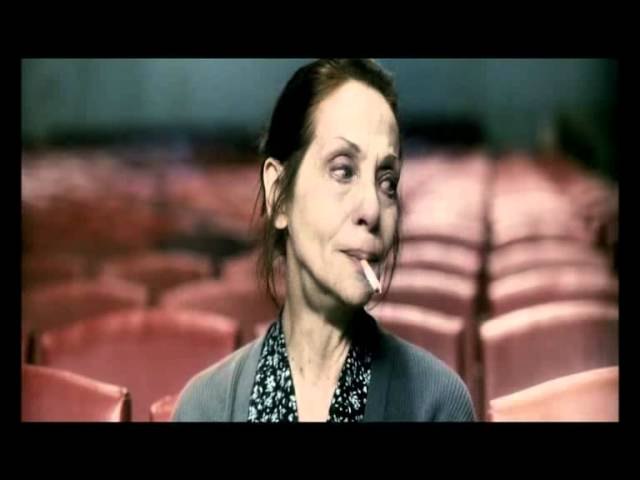
The story covers a single day and night in Milan, from a Saturday afternoon to Sunday morning. It follows the celebrated novelist Giovanni Pontano (Marcello Mastroianni) and his wife Lidia (Jeanne Moreau). A hospital visit to their dying friend Tommaso (Bernhard Wicki) opens the day, followed by a book launch, Lidia's solitary wander through the city and a wealthy industrialist's party that runs until dawn. There Monica Vitti's Valentina enters the picture, and the distance between the couple becomes plain. Umberto Eco appears in a brief role.

Placed between L'Avventura (1960) and L'Eclisse (1962), it is the middle film of Antonioni's informal trilogy on incommunicability, and Vitti appears in all three. The screenplay is by Antonioni, Ennio Flaiano and Tonino Guerra; Gianni Di Venanzo shot it and Giorgio Gaslini composed the music.

DirectorMichelangelo Antonioni

Reactions

You can pick up to 3 reactions.

Cast

Only cast members with a profile on this site are listed.
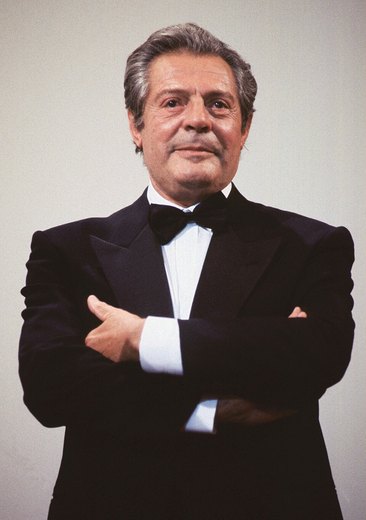
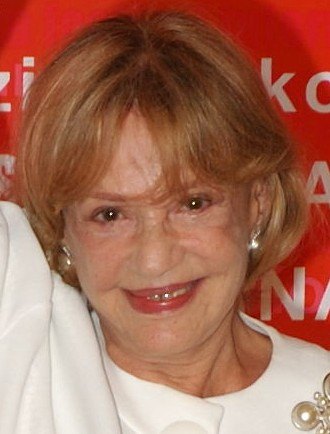
Marcello Mastroianni Marcello Mastroianni Actor · died at 72 Jeanne Moreau Jeanne Moreau Film actor · died at 89 Monica Vitti Bernhard Wicki Rosy Mazzacurati Gitt Magrini Maria Pia Luzi Umberto Eco Giorgio Gaslini
Through different eyes

Cinephile Looks at script, editing and directing choices; keeps a distance from formula films.

La Notte is one of the clearest demonstrations of why Antonioni left conventional storytelling behind. Instead of a plot, it follows the flow of a day and a night, building the distance between the couple through space and framing more than through dialogue. Scenes shot on Milan's real streets and Gianni Di Venanzo's black-and-white cinematography let composition say what the characters cannot. That formal consistency is why it won the Golden Bear and keeps its place in directors' polls. To be honest, though, its meaning lies largely in an atmosphere built with patience; for anyone expecting dramatic momentum it is a long journey.

Action & Thriller Fan Puts pace, tension and set pieces first; little patience for slow drama.

Let me be blunt: La Notte is a tough film for anyone who wants pace. Antonioni drops classic storytelling on purpose; there is no mystery to solve, no rising tension, no chase, just a couple drifting apart over a day and a night. Lovers of mood and imagery call it a masterpiece, and they may well be right. But for viewers who want quick cutting and a clear goal, it is a test of patience.

History & Society Lens Asks about the period, the social background and what the work reflects.

La Notte looks at the cultured, wealthy circles of early-1960s Milan: a celebrated novelist, a book launch, an industrialist's party that lasts until dawn. In the middle of that glittering world, the film shows how communication runs dry; the couple's estrangement can be read as personal, but also as the weariness of a class and a way of life. Lidia's solitary walk through the city carries loneliness within a marriage out into public space. As the middle part of the trilogy, it can also be watched as a period document of modern alienation in a Europe growing rich after the war.

These are not reader reviews: they are short editorial takes written from different viewer perspectives with AI assistance. Reader reviews are below.

Reviews (0)

Log in Log in to write a review.

Comments