Ghulam

Ghulam

Movie · 1998 · 10 people

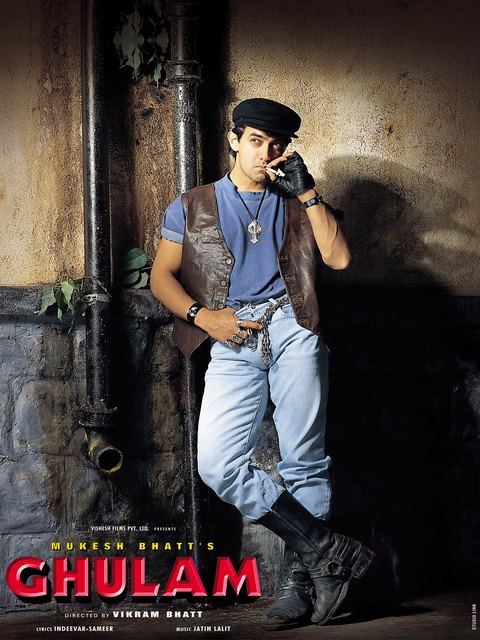
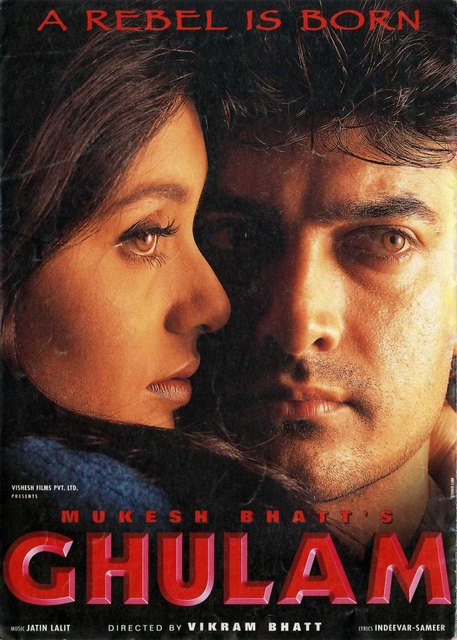
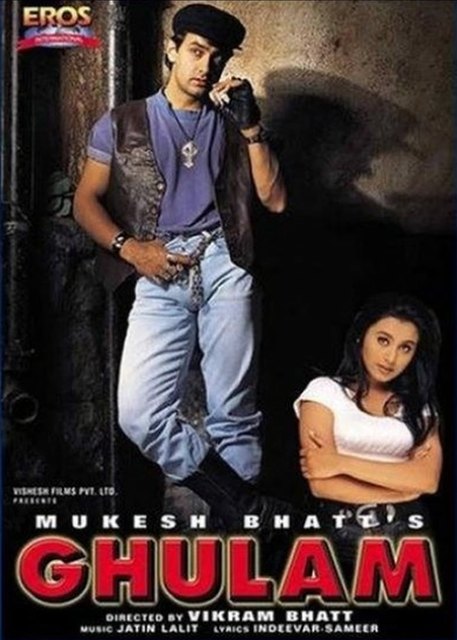
Vikram Bhatt directed Ghulam ("slave" in Hindi and Urdu), an Indian action drama from 1998. Shot in Hindi, it stars Aamir Khan and Rani Mukerji in the leads, with Deepak Tijori, Sharat Saxena, Rajit Kapur and Mita Vashisht in the supporting cast. Running about 165 minutes, it is Bollywood's echo of a classic Hollywood waterfront drama, and it did well commercially at the box office.

The story traces back to Elia Kazan's On the Waterfront (1954), which starred Marlon Brando and itself grew out of a series of newspaper articles by Malcolm Johnson on dockside crime, published in November and December 1948. Ghulam is usually described as a retelling of that classic, and its plot also resembles Kabzaa (1988), starring Sanjay Dutt. The screenplay is by Anjum Rajabali and the score by the duo Jatin-Lalit.

The film was released on June 19, 1998. At the 44th Filmfare Awards it received six nominations, among them Best Film, Best Director (Bhatt) and Best Actor (Khan), and it won Best Scene of the Year. It was remade in Tamil in 2000 as Sudhandhiram. Mukesh Bhatt produced it.

DirectorVikram Bhatt
Ghulam Ghulam Ghulam

Reactions

You can pick up to 3 reactions.

Cast

Names without a link have no profile here yet.

Aamir Khan Aamir Khan Actor · 61 years old Siddharth Marathe Rani Mukerji Deepak Tijori Sharat Saxena Rajit Kapur Mita Vashisht Daya Shankar Pandey Akshay Anand Ashutosh Rana Dalip Tahil

Through different eyes

AI-assisted editorial takes written from different viewer perspectives. They are not reader reviews; those are below.

Action & Thriller Fan Puts pace, tension and set pieces first; little patience for slow drama.

The action-drama label fits, but the drama side weighs more. True to the Bollywood tradition, Ghulam puts emotion and music at least as far forward as the action. Winning Filmfare's Best Scene of the Year shows it can build moments that stick. The real problem is length: the film is very long and the story can't carry that running time everywhere. Tighter editing would have made it hit much harder.

Cinephile Looks at script, editing and directing choices; keeps a distance from formula films.

What makes Ghulam interesting is how a story drawn from Elia Kazan's On the Waterfront is translated into the language of Hindi popular cinema. Kazan's film is remembered as a lean morality drama; Ghulam chooses to tell the same source through star power, music and broad emotion. That softens the original's hardness while giving it a different energy. Anjum Rajabali's screenplay doesn't turn the adaptation into a carbon copy, though the resemblance to Kabzaa leaves a question mark over its originality. Six Filmfare nominations, including Best Film, Best Director and Best Actor, show it was taken seriously in its day. It is more rewarding to read Ghulam as a cultural translation than as a copy.

History & Society Lens Asks about the period, the social background and what the work reflects.

There is a long journey behind Ghulam: Malcolm Johnson's 1948 newspaper articles on dockside crime led to Kazan's 1954 film, then to Hindi cinema in 1998 and a Tamil remake in 2000. That a local crime world exposed by a journalist could still resonate half a century later in an entirely different society suggests how universal the question of submitting to the powerful, or standing up to them, really is. A title meaning 'slave' points straight at that theme. The film leans on a star-centered story more than on the real crime background of its source; it cares more about the rules of popular cinema than about social observation.

Reviews (0)

Log in Log in to write a review.

Comments