Julietta

Julietta

Movie · 1953 · 11 people

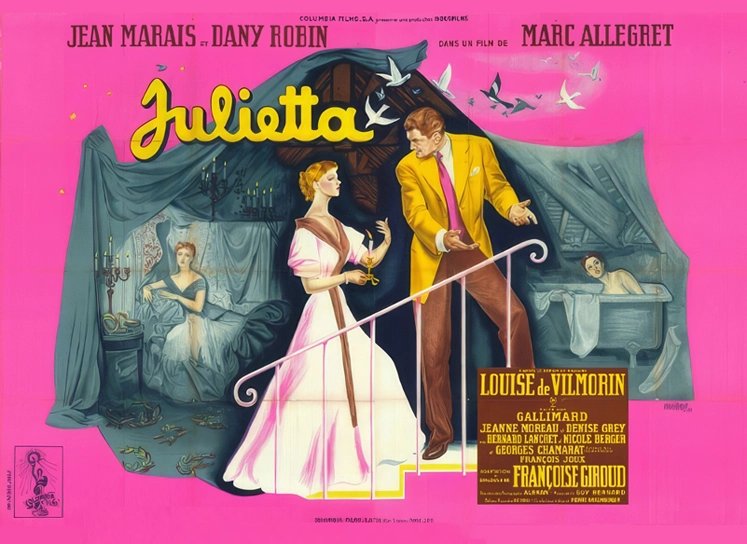
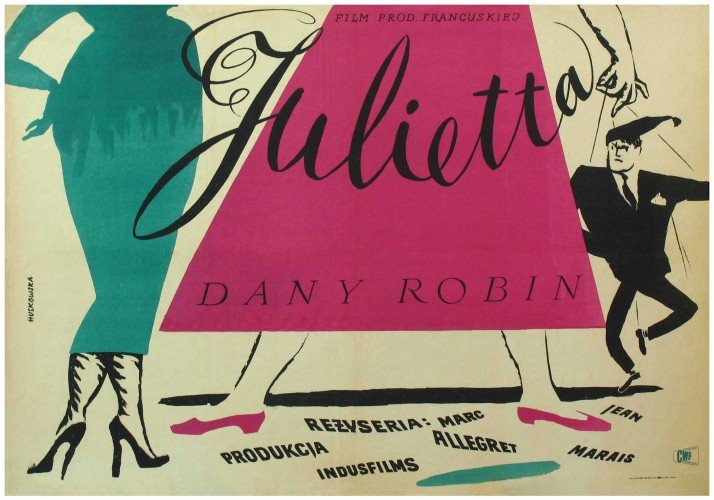
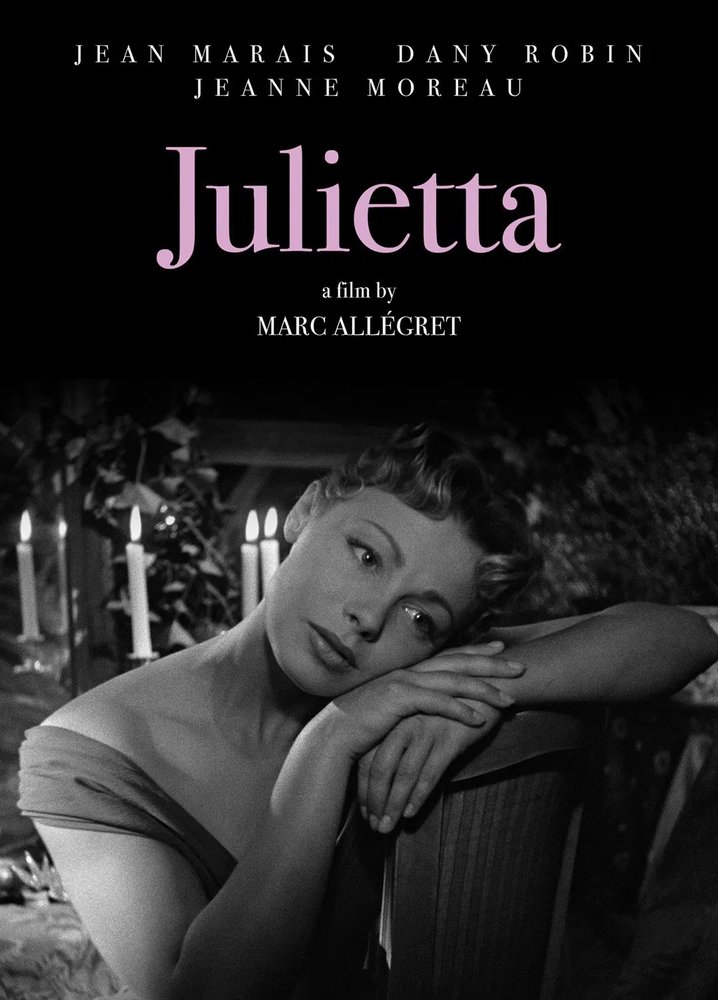
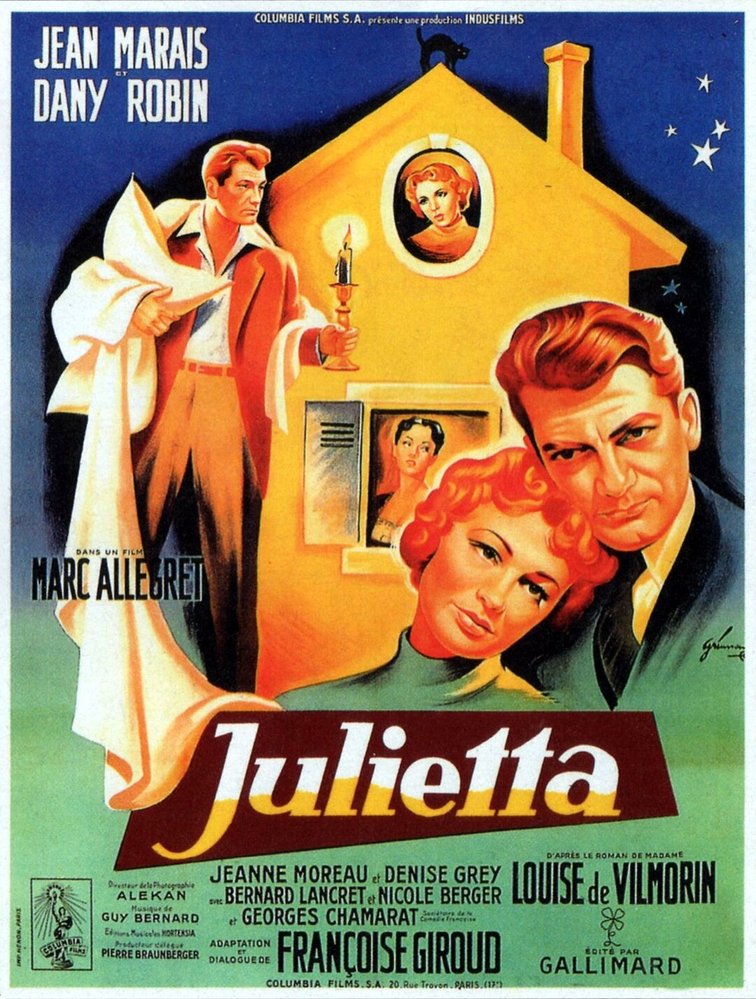
Adapted from Louise de Vilmorin's novel of the same name, published in 1951, the 1953 French romantic comedy Julietta was directed by Marc Allégret. It runs about 99 minutes and was shot in French. The screenplay is by Françoise Giroud. Dany Robin, Jean Marais and Jeanne Moreau share the leading roles.

The heroine, Julietta, is a romantic, dreamy young woman. She refuses the older, society-minded gentleman her mother has chosen for her and is determined to run her life as she sees fit. Then, by chance, her path crosses that of the man she has been dreaming of. Besides the three leads, the cast includes Denise Grey, Alain Terrane, Bernard Lancret, François Joux, Georges Chamarat and Nicole Berger.

The film was shot at the Billancourt Studios in Paris, with sets by art director Jean d'Eaubonne. Allégret's assistants included Pierre Blondy and Roger Vadim, who had not yet begun his own directing career. It was shown abroad under different titles: Il peccato di Giulietta in Italy, Biljett till Paris in Sweden, Ștrengărița in Romania and Julieta in Mexico. Its tone is described as a sparkling, light vaudeville, likened to a glass of champagne.

DirectorMarc Allégret
Julietta Julietta Julietta

Reactions

You can pick up to 3 reactions.

Cast

Only cast members with a profile on this site are listed.
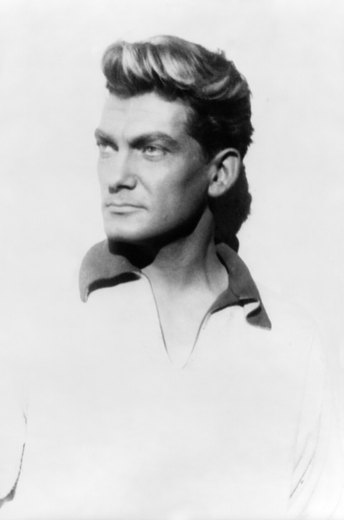
Jean Marais Jean Marais Actor · died at 84 Jeanne Moreau Jeanne Moreau Film actor · died at 89 Dany Robin Nicole Berger Bernard Lancret Denise Grey François Joux Georges Chamarat Renée Barell Georges Sauval Alain Terrane
Through different eyes

Cinephile Looks at script, editing and directing choices; keeps a distance from formula films.

Julietta is a light vaudeville that has been likened to a glass of champagne, and lightness is the hardest tone for cinema to sustain, which makes it the right yardstick here. Françoise Giroud's screenplay tries to set the romantic dreaminess of Louise de Vilmorin's novel to a comic rhythm. Still, a plot that leans on chance never leaves the genre's familiar moulds; seen today, it offers comfort more than surprise. The world built at the Billancourt Studios with Jean d'Eaubonne's sets has the polished but enclosed air of studio filmmaking. Film-history buffs get a footnote too: Roger Vadim, not yet directing films of his own, was among Allégret's assistants, a small window onto one generation of French cinema handing over to the next.

History & Society Lens Asks about the period, the social background and what the work reflects.

The film's starting point carried real tension for the early 1950s: a young woman who turns down the older, society-minded gentleman her mother has chosen for her. The expectation that one marries the family's choice still had a place in the bourgeois morality of the time. Julietta's resolve to live as she sees fit is, in that sense, a small declaration of independence tucked inside a light comedy. But the film ties the question to a romantic chance encounter rather than probing it; a woman choosing her own path becomes not social criticism but a road that crosses the man of her dreams. Even so, it is instructive about the limits of its era.

Family Viewer Asks whether the whole household can watch it; cares about humour and heart.

By all accounts it is a light, bubbly romantic comedy, not the kind of film where you brace for scares or harsh scenes. The story of a young woman who refuses the man her mother picked is a good opening for talking with older children about marriage and making your own choices. Little ones may find it dull, since it is old, in French and needs subtitles. It fits best on a quiet evening with grandparents who enjoy old films.

These are not reader reviews: they are short editorial takes written from different viewer perspectives with AI assistance. Reader reviews are below.

Reviews (0)

Log in Log in to write a review.

Comments