Sons of Soil (Toprağın Çocukları)

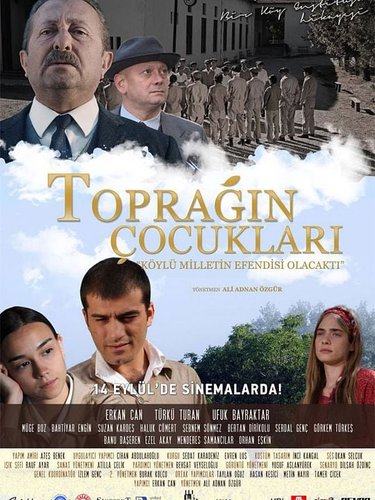
Sons of Soil (Toprağın Çocukları)

Movie · 2012 · 10 people

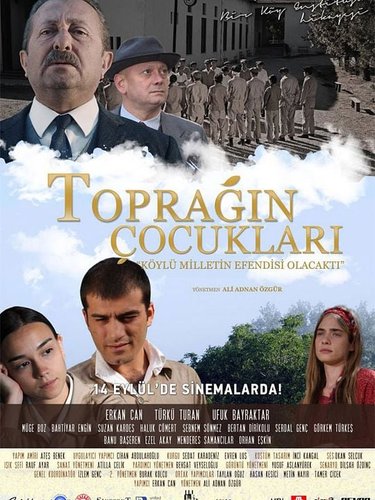
The closing years of the Village Institutes, one of the most distinctive experiments in Turkish education, are the subject of the Turkish drama Toprağın Çocukları (Sons of Soil). It is the first feature of director Ali Adnan Özgür and opened on September 14, 2012. It was produced by Erkan Can, who also plays Kemal the teacher, from a screenplay by Dilşah Özdinç. Running about 80 minutes, it was presented as the first film on the subject. The team has said it first considered a documentary, since the subject rests on real events.

The story begins with an attack on a Roma camp. Karika, who flees for her life, is rescued by Cevher, a student at a nearby village institute. With the backing of İsmail Hakkı Tonguç, Cevher gives the orphaned girl a place to stay at the institute. The decision angers the villagers who press the school to expel her. The regional commander Necip, long uneasy about the institute's existence, stages a raid and detains its principal, Kemal the teacher. These events coincide with the period when institutes across the country were being closed.

Kemal's innocence is finally established, but the institutes' fate does not change.

DirectorAli Adnan Özgür
Sons of Soil (Toprağın Çocukları)

Reactions

You can pick up to 3 reactions.

Cast
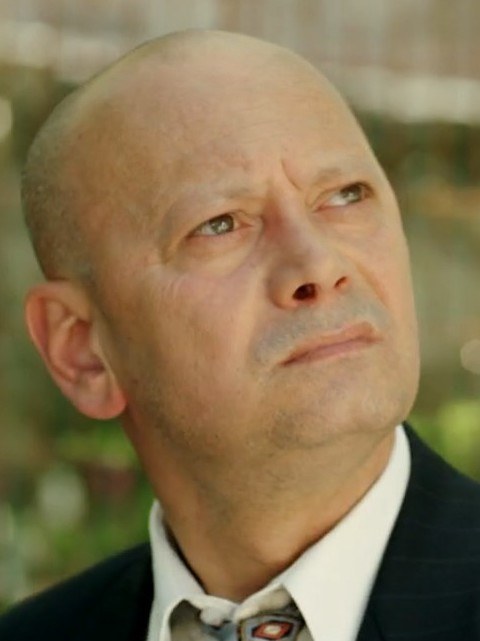
Also in the cast: Banu Başeren, Serdal Genç
Through different eyes

History & Society Lens Asks about the period, the social background and what the work reflects.

The Village Institutes were one of the most distinctive experiments in Turkish education, and a film presented as the first to tackle the subject sets out to fill a real gap. Opening with an attack on a Roma camp and having an orphaned girl find shelter at the institute shows that the school was imagined not just as a place of learning but as a door open to the excluded. The villagers' anger and the regional commander's unease show the resistance such a new idea ran into. İsmail Hakkı Tonguç's place in the story is a good invitation for viewers who do not know the period to find out more.

Family Viewer Asks whether the whole household can watch it; cares about humor and heart.

You can watch this with children, but take care with the little ones. The story opens with an attack on a camp, and heavy moments like a raid and an arrest follow. On the other hand, its message is lovely: a school stands up for an orphaned child. It is a good chance to watch with middle and high schoolers and then talk about the Village Institutes. The grandparents will likely find the subject interesting too.

Cinephile Looks at script, editing and directing choices; keeps a distance from formula films.

Ali Adnan Özgür's first feature tries to fit an ambitious subject into about 80 minutes, and that running time is both its asset and its problem. The storytelling is tidy with no padding, but threads such as Karika's rescue, the villagers' reaction, the commander's raid and the closure of the institutes cannot go deep enough in so little time. It is no surprise that the team first considered a documentary: at times the film is driven more by the urge to relay history than by dramatic structure. Erkan Can, both producer and Kemal the teacher, carries the film's moral weight. A sincere debut, though bolder editing and more room for the characters would have been welcome.

These are not reader reviews: they are short editorial takes written from different viewer perspectives with AI assistance. Reader reviews are below.

Reviews (0)

Log in Log in to write a review.

Comments