

Ufuk Bayraktar
Actor · 45 years old
Dağıstanlı in the series Vatanım Sensin
Profile
| Age | 45 |
|---|---|
| Birth date | September 12, 1981 |
| Birthplace | Istanbul |
| Profession | Actor |
| Zodiac sign | Virgo |
| Eye color | Brown |
| Spouse | Merve Bayraktar |
In the rankings


Filmography / Projects
- Dayı: Bir Adamın Hikâyesi 2
- Zemberek
- Benim Babam Bir Kahraman
- Güven Bana
- Dayı: Bir Adamın Hikâyesi
-
 Ascension (Miraç) (translated)
-
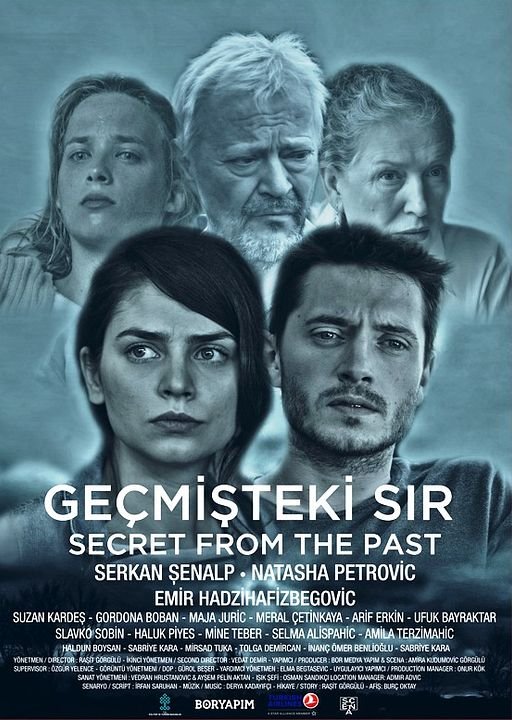 Secrets from the Past (Geçmişteki Sır)
-
 Wounded Love (Vatanım Sensin)
- Beginner
-
 The Mountain II (Dağ 2)
-
 Love on the Bird's Wing (Sevda Kuşun Kanadında) (translated)
-
 Ground Zero (Milat) (translated)
- Kümes
-
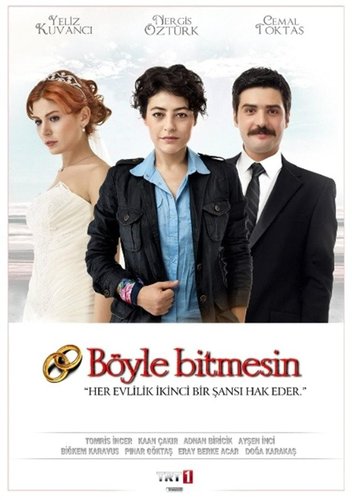 Let It Not End This Way (Böyle Bitmesin) (translated)
-
 Gallipoli 1915 (Çanakkale 1915) (translated)
-
 The Mountain (Dağ)
-
 Let This Be the Last Time (Bu Son Olsun) (translated)
-
 Sons of Soil (Toprağın Çocukları)
-
 A Matter of the Homeland (Memleket Meselesi) (translated)
- Separation
-
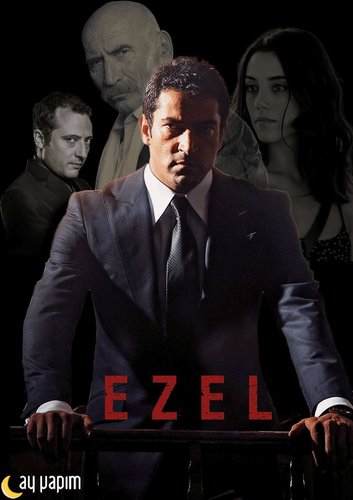 Ezel
- Starting Over (Yeni Baştan) (translated)
-
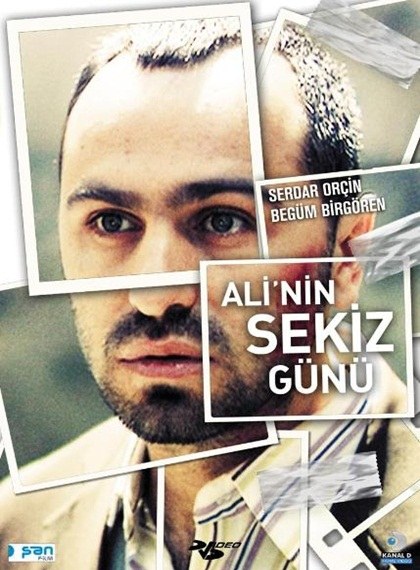 Ali's Eight Days (Ali'nin Sekiz Günü)
- Hot (Sıcak) (translated)
- The Whirlpool (Girdap) (translated)
-
 Egg (Yumurta)
-
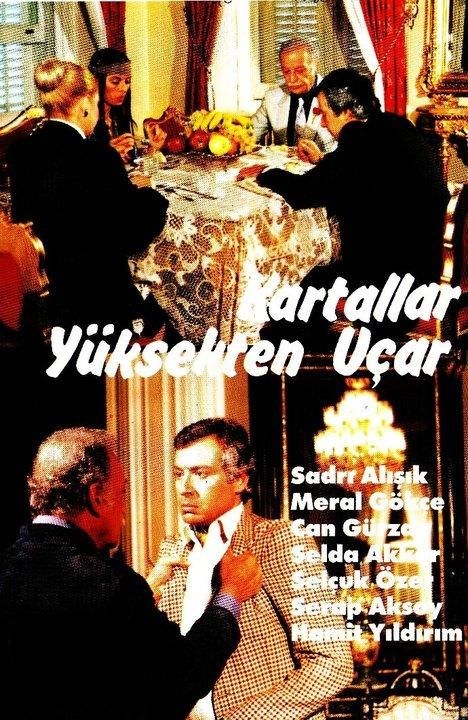 Eagles Fly High (Kartallar Yüksek Uçar) (translated)
-
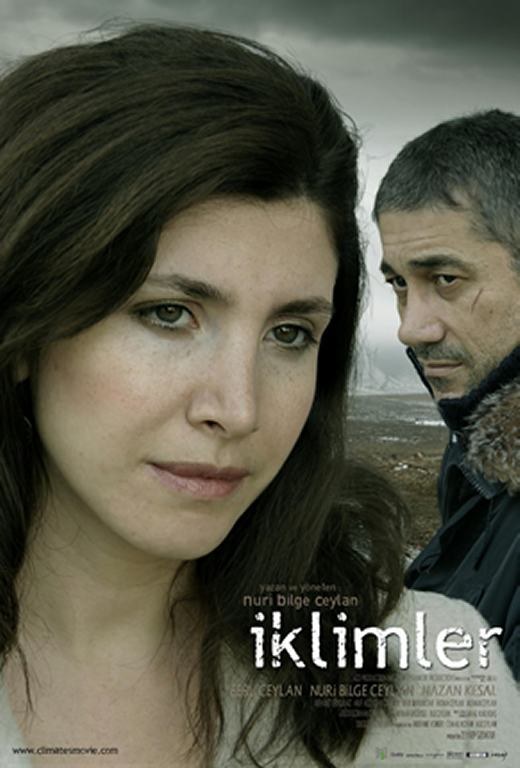 Climates (İklimler)
-
 Destiny (Kader)
- Fareler
-
 Waiting Room (Bekleme Odası) (translated)
- Tirvana
Ufuk Bayraktar — Biography
Ufuk Bayraktar is one of the rare actors who came to cinema straight from a family coffeehouse; he made his name in Zeki Demirkubuz's films and as the young Ramiz Dayı in Ezel. In later years he worked mostly in military and patriotic productions.
He finished high school at Gürsoy College, skipped university and worked at the Firuzağa coffeehouse his father ran in Cihangir. There Demirkubuz discovered him in 2003, and he acted in Bekleme Odası and Kader. For Kader he won, in 2006, best actor at the 26th Istanbul Film Festival, the Behlül Dal Young Talent Special Award at the Antalya Golden Orange, and the Turkish Film Critics Association's Promising Young Actor award. In his early years he played the taxi driver in Nuri Bilge Ceylan's İklimler, Haluk in Semih Kaplanoğlu's Yumurta and Kemal in Ali'nin Sekiz Günü. His television breakthrough was Ezel in 2009-2011. From 2012 he played Bekir in Dağ and Dağ 2, Corporal Seyit in Çanakkale 1915, Dağıstanlı Celal in Vatanım Sensin and Hamza Ustaoğlu in Milat. On Kümes (2014) he also took on writing, directing and editing.
Photos


Reactions
You can pick up to 3 reactions.
Comments