Orhan Aksoy

Orhan Aksoy

Film director · died at 78

Biography

Profile

Age at death78
Birth dateJanuary 10, 1930
BirthplaceMustafakemalpaşa district
DiedJanuary 22, 2008
Place of deathIstanbul, Turkey
ProfessionFilm director, Screenwriter
Zodiac signCapricorn

Filmography / Projects

Orhan Aksoy — Biography

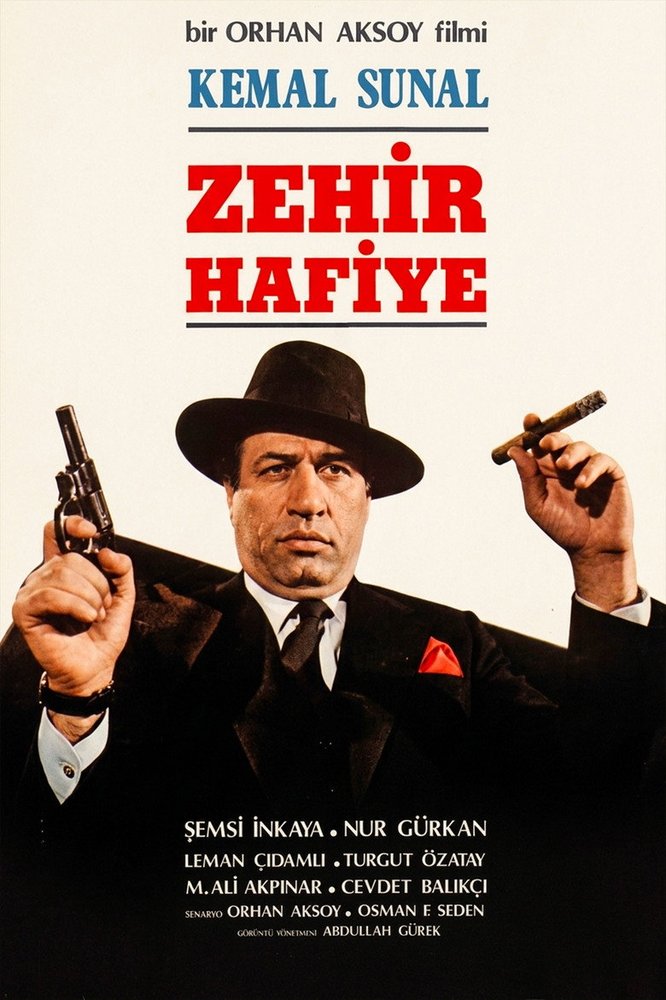
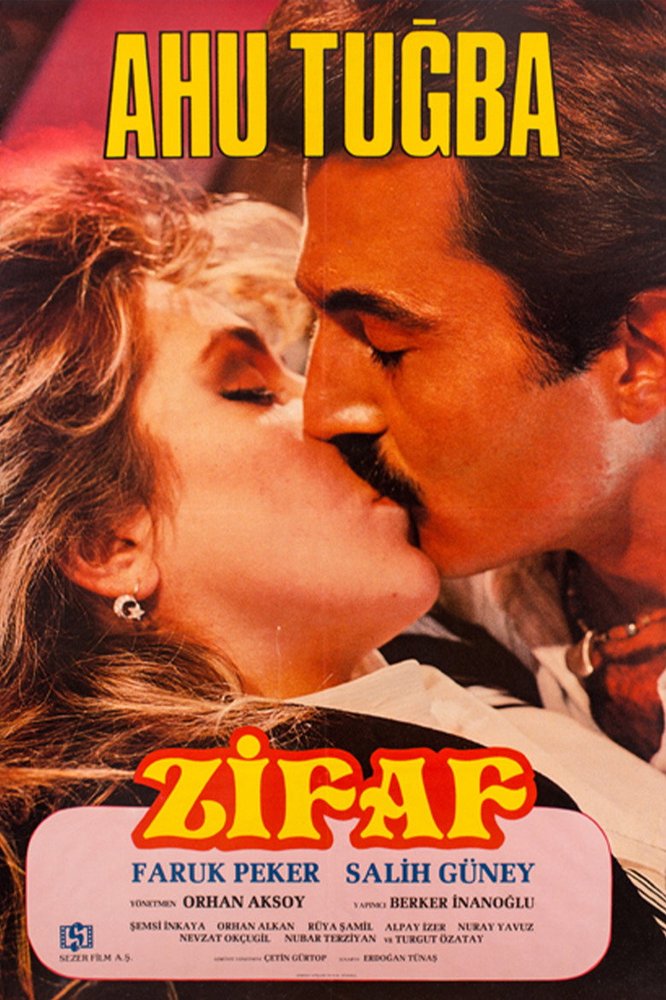
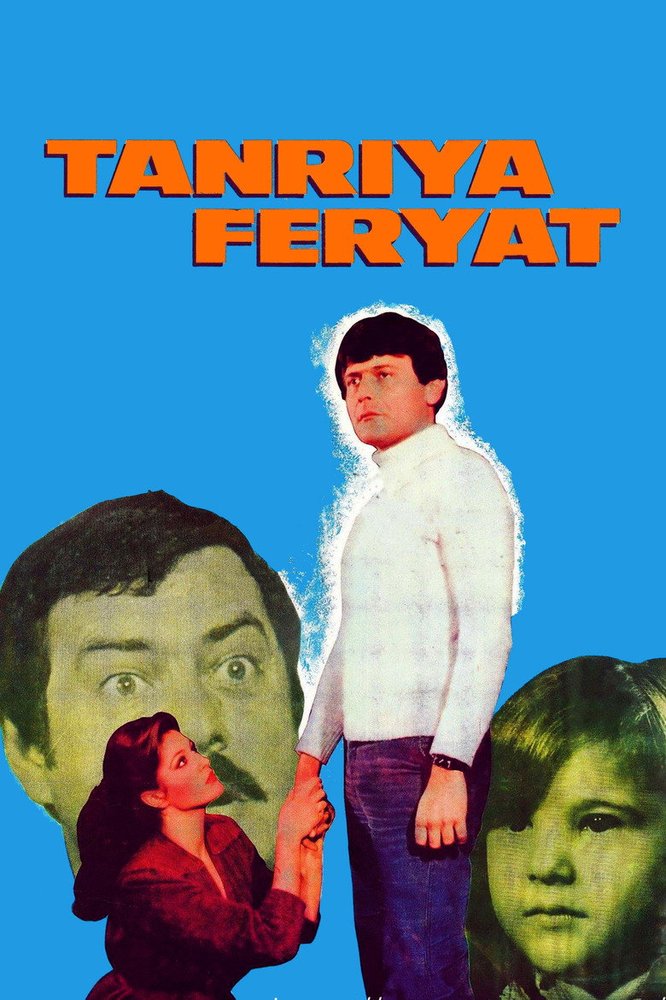
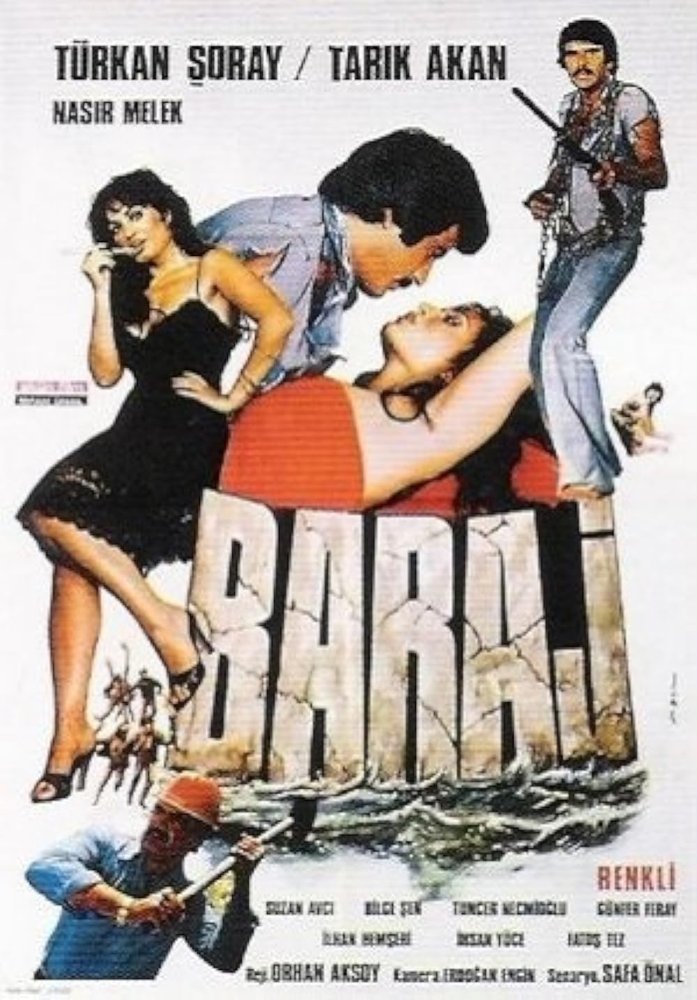
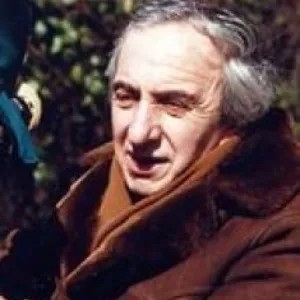
Orhan Aksoy was born on January 10, 1930, in the Mustafakemalpaşa district of Bursa. After leaving school and completing military service, he spent three years from 1948 as a projectionist at two cinemas in Beyoğlu before joining İpek Film Studio as an editor in 1952, going on to write screenplays and assist director Hulki Saner. He moved into directing in 1963 with the comedy Şıpsevdi, starring Ayhan Işık and Ajda Pekkan.

Grouped together with Nevzat Pesen, Hulki Saner, Nejat Saydam and Osman Fahir Seden as part of a well-known circle of Yeşilçam directors, Aksoy became known chiefly for romantic melodrama, winning the Antalya Golden Orange best-film award for Kınalı Yapıncak (1970) and Hayat mı Bu? (1973). He directed more than ninety films and wrote over fifty screenplays across his career, and was the first director to cast singer Orhan Gencebay on screen; family comedies such as Aile Şerefi and Neşeli Günler, both starring Münir Özkul and Adile Naşit, drew audiences back to cinemas. He later moved toward television following his 1994 feature Yumuşak Ten.

He received an honorary award at the Golden Orange festival in 2000 and a cinema honor prize at the Sadri Alışık Awards in 2003, and died in Istanbul on January 22, 2008, after two weeks in intensive care.

Reactions

You can pick up to 3 reactions.

Their work through different eyes

AI-assisted editorial takes on this person's screen work, written from different viewer perspectives. They are not reader comments; those are below.

Yeşilçam Nostalgic A viewer raised on the classics, looking for warm storytelling and strong acting.

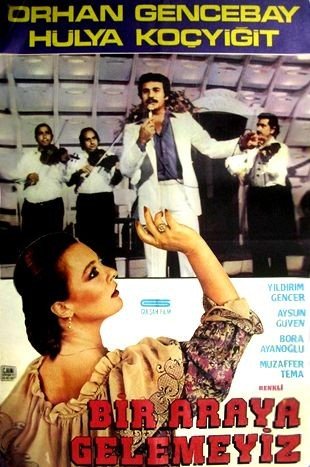
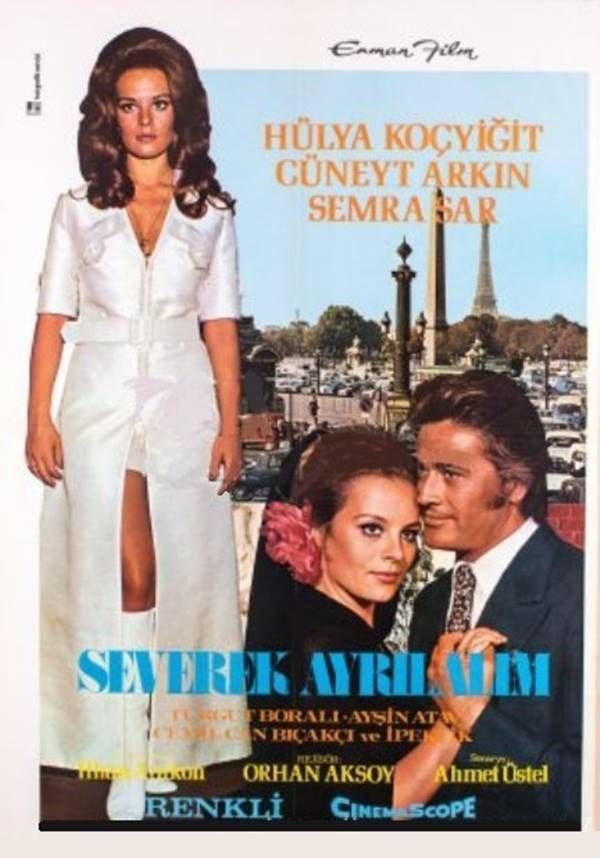
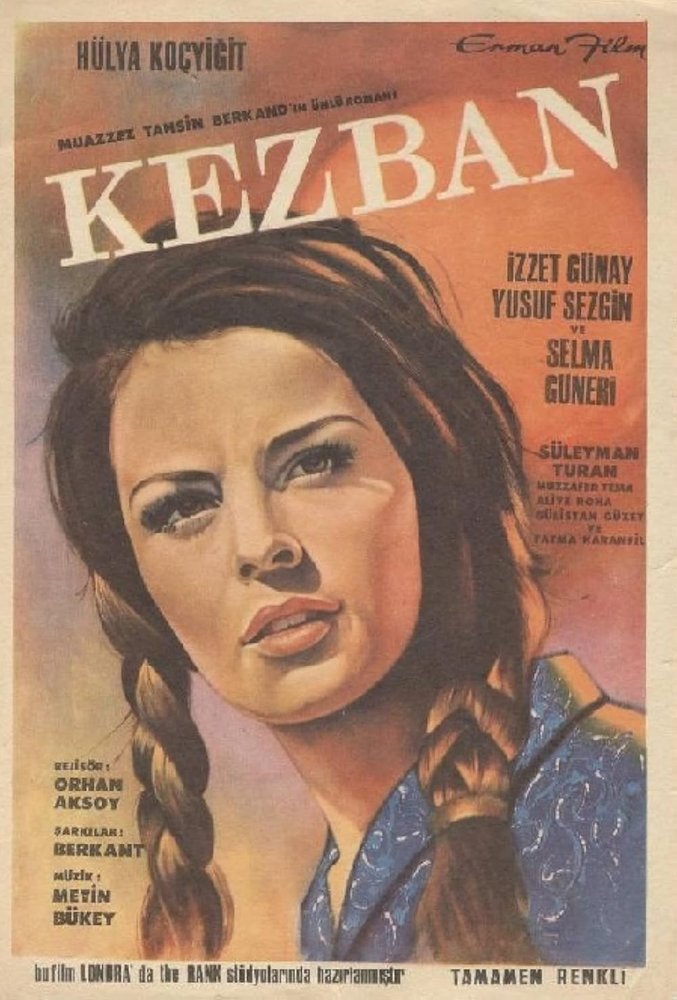
Hülya Koçyiğit is something like the heart of Orhan Aksoy's cinema. Kezban, adapted from Muazzez Tahsin Berkand's novel, is a father-and-daughter story that runs from Gemlik to a mansion in Suadiye, graced by a Berkant song. In Severek Ayrılalım, which pairs her with Cüneyt Arkın, Orhan Gencebay's compositions carry the music. Bir Araya Gelemeyiz is an emotional musical: Orhan, in prison, sends his songs to his childhood love Füsun, who never learns who wrote them, one of Yeşilçam's most tender setups. These three films are enough to see how Aksoy fused melodrama and music.

History & Society Lens Asks about the period, the social background and what the work reflects.

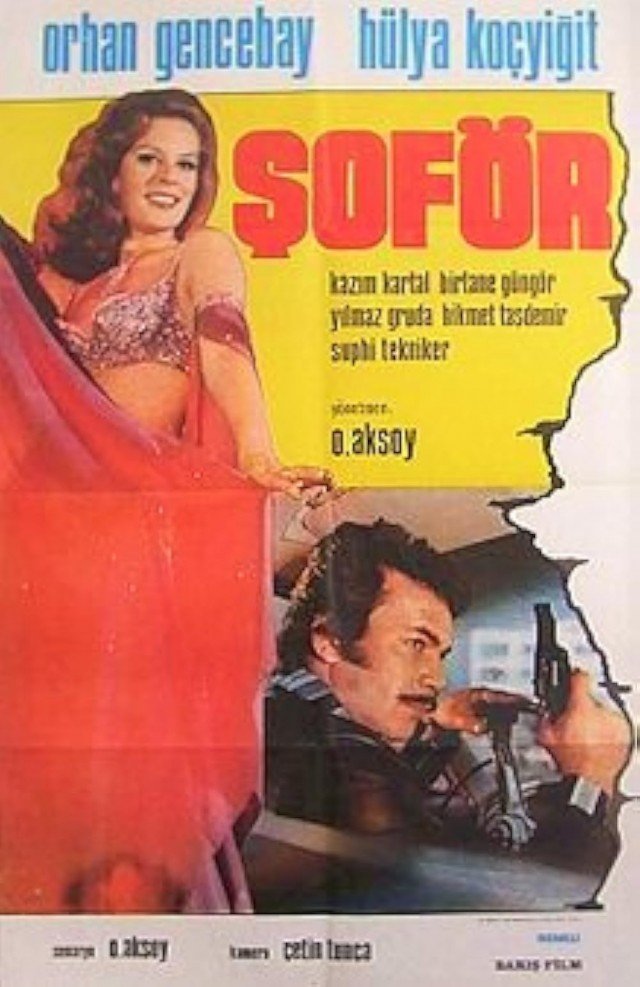
Orhan Aksoy's films of the 1970s often put families trying to hold on in the big city at the center. In Aile Şerefi, of the children of Rıza, who sells mineral water from a horse-drawn cart, one studies medicine, one works in a factory and one in a garment workshop; the picture gathers the period's hope of moving up and the different floors of labor in one Istanbul home. In Şoför the family's burden rests on the older brother, a truck driver, and the story turns into an arabesk revenge drama. Öyle Olsun looks at the same class question from the comic side, through the romance of the journalist Ferit and Alev, a businessman's daughter. Aksoy's cinema shows Yeşilçam's warmth toward the working family best in Aile Şerefi.

Cinephile Looks at script, editing and directing choices; keeps a distance from formula films.

In a filmmaker who directed more than ninety films, formula is bound to weigh heavily, and Orhan Aksoy is no exception. Alın Yazısı, adapted from an Iranian film, is a tale of fate built on honor and vengeance whose outcome is clear from the start; the dubbing practice and fast shooting pace of the period leave little room for the characters to deepen. The friendship-turned-rivalry story set among the casinos of Bomba Gibi Kız also leans on a familiar mold. That makes Hasan Boğuldu, a late film adapted from a Sabahattin Ali story, an interesting departure: a literary source centered on the pressures on the people of Anatolia pulls Aksoy away from melodrama's ready-made turns.

Comments