Acı Hayat

Bitter Life (Acı Hayat) (translated)

Movie · 1973 · 9 people

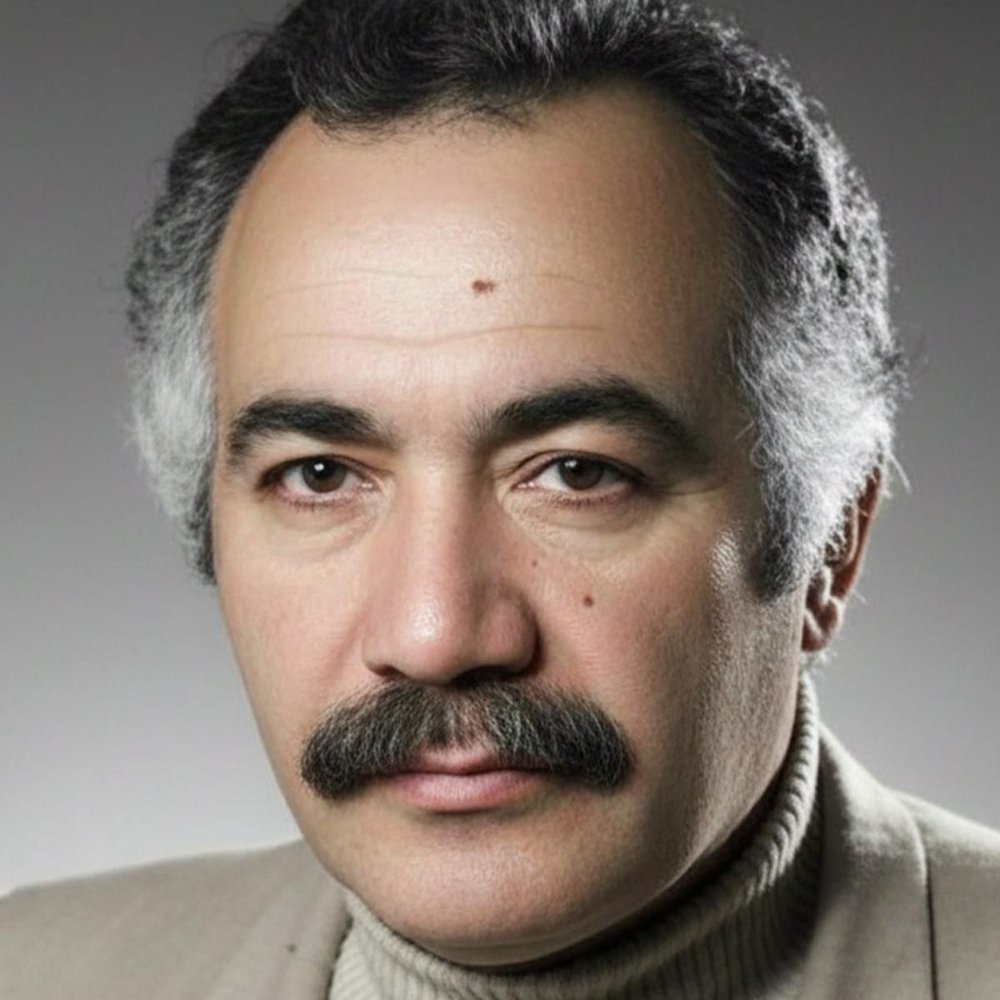
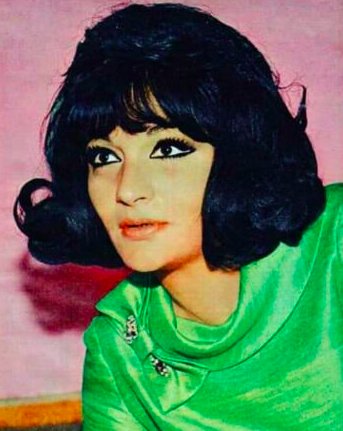
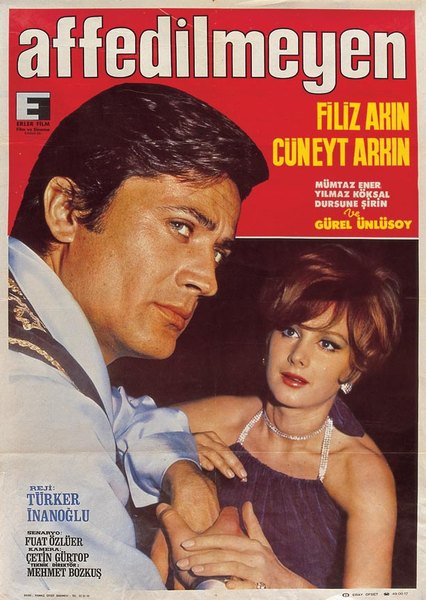
Orhan Aksoy directed the 1973 Turkish romantic drama Acı Hayat (Bitter Life), working from a screenplay by Fuat Özlüer. Produced by Erler Film, the colour film opened on 1 March 1973 and runs about 87 minutes. Türker İnanoğlu produced; Çetin Gürtop shot it. Cüneyt Arkın and Filiz Akın star.

Its heroes are Kerem Ateşoğlu (Cüneyt Arkın) and Ebru Denizel (Filiz Akın), who meet by chance at a party. Their relationship quickly grows into a great love and they decide to marry. When they introduce their families, they learn something they had not counted on: the two houses have been locked in a blood feud for nearly a century. Even so, Kerem and Ebru refuse to bow to this senseless hostility and go on seeing each other. When Ebru's father Selim Denizel (Atıf Kaptan) pushes her to marry Bahri Gökçe (Bülent Kayabaş), who works for him, the two young people elope and hide in a deserted hotel on Uludağ that nobody visits. Events turn tragic once Bahri tracks them down. Mümtaz Ener, Hakkı Kıvanç, Necdet Tosun, Ayfer Feray and Zeki Sezer also appear.

A sentimental drama, it works through themes of love, sorrow and unhappiness.

DirectorOrhan Aksoy
Production companyErler Film

Reactions

You can pick up to 3 reactions.

Cast

Through different eyes

Yeşilçam Nostalgic A viewer raised on the classics, looking for warm storytelling and strong acting.

Seeing Cüneyt Arkın and Filiz Akın in the same frame is like reliving one of Yeşilçam's warmest memories. Acı Hayat follows a chance romance that runs into a century-old blood feud, and it walks the familiar road of the old melodramas; that familiarity should not be held against it. It is hard not to hear an echo of Romeo and Juliet in two young people who refuse to bow to a senseless hostility. Orhan Aksoy's direction never hides its feelings and at times lets them overflow generously. Those who dislike sad stories may find it heavy going, but this is a film that openly asks for tears and makes no apology for it.

History & Society Lens Asks about the period, the social background and what the work reflects.

The blood feud at the heart of Acı Hayat points to a social wound that cinema of the period returned to often and that never quite dates: the clash between individual choice and a family's old scores. Kerem and Ebru read like the voice of a generation that refuses to let a near-century of enmity set the terms of their lives. The father's wish to marry his daughter to a man who works for him also recalls an order in which marriage was still a family decision and a young woman's own wishes counted for little. The film prefers to tell these issues through emotion rather than open them up for debate. Even so, it can be watched as a small document of how family and youth were seen in the early 1970s.

Action & Thriller Fan Puts pace, tension and set pieces first; little patience for slow drama.

Let me be straight: romantic dramas rarely match my pace. The first stretch moves pretty slowly through the meeting, the romance and the families being introduced. Once the blood feud surfaces and the couple run off to a deserted hotel on Uludağ, the tension finally climbs and the film changes gear. It is interesting to see Cüneyt Arkın right at the centre of a love story here. If you have the patience, the last part pays off the wait.

These are not reader reviews: they are short editorial takes written from different viewer perspectives with AI assistance. Reader reviews are below.

Reviews (0)

Log in Log in to write a review.

Comments