Piano Girl (Deli Deli Olma)

Piano Girl (Deli Deli Olma)

Movie · 2009 · 6 people

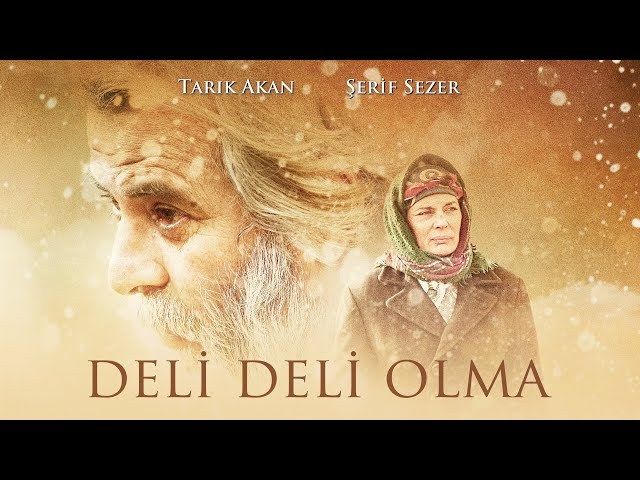
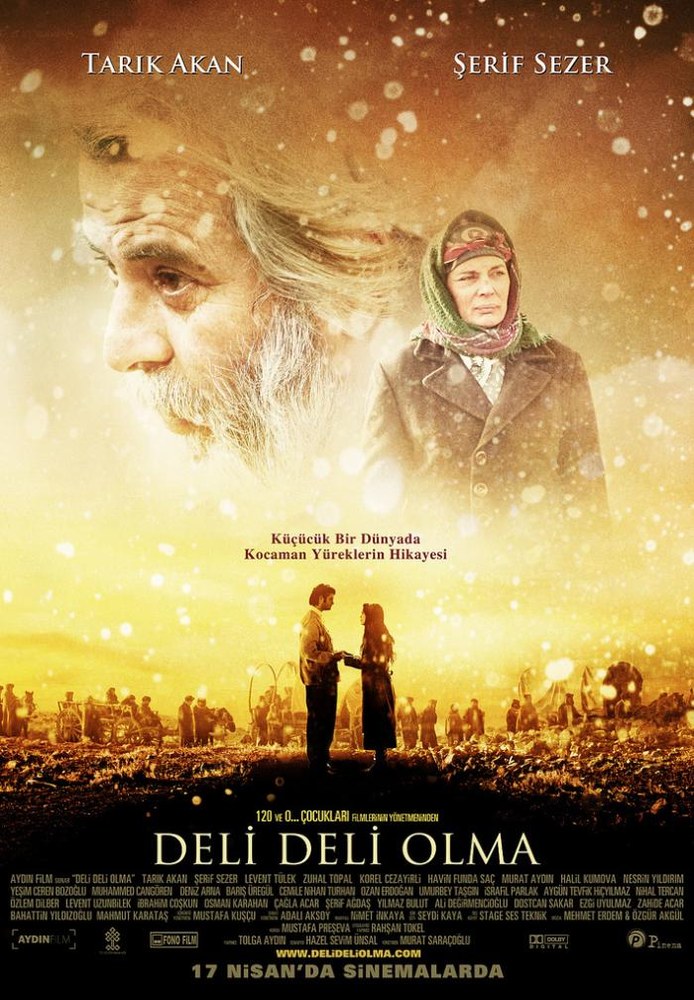
Two elderly people made to look hard at their pasts and give up their biggest secrets are at the heart of Deli Deli Olma (Piano Girl), a Turkish comedy-drama from 2009. The film was chosen to open the Sinema Burada Film Festival in İzmir, reached cinemas across Turkey on April 17, 2009, and went on to compete at several festivals; at the 46th Antalya Golden Orange Film Festival, Terry Richardson reported in Today's Zaman, the audience rose for a standing ovation. It is the last film in which the veteran actor Tarık Akan appeared.

The story is set in a village in eastern Turkey near Kars and revolves around Tarık Akan's Mişka. Mişka is a Molokan, one of the community the Tsar forcibly moved to Eastern Anatolia after the war of 1877-78; when his last relative dies he becomes the last Molokan in the village. Opposite him is Şerif Sezer as Popuç, a Turkish Muslim. Zuhal Topal and Yeşim Ceren Bozoğlu complete the cast.

Murat Saraçoğlu directed from a screenplay by Hazel Sevim Ünsal, and MindWorks Pictures produced it. Filming took place in Kars, and the dialogue uses the Turkish dialect of the region, whose likeness to Azerbaijani is striking.

DirectorMurat Saraçoğlu
Production companyMindWorks Pictures
Piano Girl (Deli Deli Olma) Piano Girl (Deli Deli Olma) Piano Girl (Deli Deli Olma) Piano Girl (Deli Deli Olma) Piano Girl (Deli Deli Olma) Piano Girl (Deli Deli Olma)

Reactions

You can pick up to 3 reactions.

Cast

Through different eyes

History & Society Lens Asks about the period, the social background and what the work reflects.

Deli Deli Olma matters because it touches a little-known chapter of history: the Molokans, whom the Tsar forcibly resettled in Eastern Anatolia after the war of 1877-78. The film tells their story through Mişka, the last Molokan left in his village, bringing out the human side of displacement, loneliness and an identity quietly running out. Opposite him is Popuç, a Turkish Muslim woman, and the sight of two separate pasts growing old side by side in one village is the film's most meaningful thread. Shooting in Kars and using the local dialect, so strikingly close to Azerbaijani, gives the setting real authenticity. And it does all this without lecturing, through the story of two people.

Yeşilçam Nostalgic A viewer raised on the classics, looking for warm storytelling and strong acting.

Knowing this is the last film Tarık Akan appeared in lends the viewing a sorrow all its own. To see Yeşilçam's handsome leading man as old Mişka, left all alone in his village, feels like watching an era close. In his scenes with Şerif Sezer you sense two masters playing with calm and an unshowy harmony. Balancing comedy and drama, the story tells of the pain of facing one's past with warmth. The pace dips here and there, yet that slowness suits the rhythm of old age itself.

Family Viewer Asks whether the whole household can watch it; cares about humor and heart.

Deli Deli Olma is a quiet film the family can watch together. The story is built not on violence but on the pasts of two elderly people and the secrets they keep. Grandparents will recognize a lot of themselves in it. Young children may get bored, though, because the pace is slow and the subject grows heavy at times. A good pick to watch with teenagers and talk about afterwards.

These are not reader reviews: they are short editorial takes written from different viewer perspectives with AI assistance. Reader reviews are below.

Reviews (0)

Log in Log in to write a review.

Comments