

Profile
| Age at death | 66 |
|---|---|
| Birth date | December 13, 1949 |
| Birthplace | Istanbul |
| Died | September 16, 2016 |
| Profession | Actor, Film producer |
| Zodiac sign | Sagittarius |
In the rankings


Filmography / Projects
-
-
- Ah, Istanbul! (Ahh İstanbul) (translated)
-
- Night Walk (Gece Yürüyüşü) (translated)
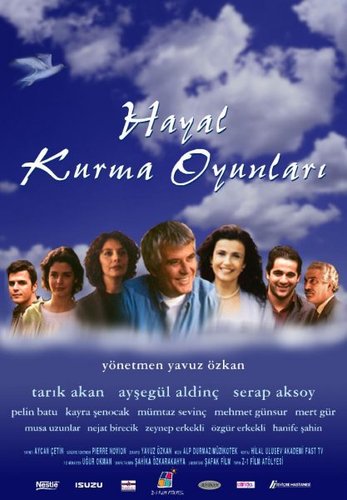
- Hayal Kurma Oyunları
-

-

-

-

-
-

-

-
-
-
-
-

- A Little Cloud (Bir Küçük Bulut) (translated)
-
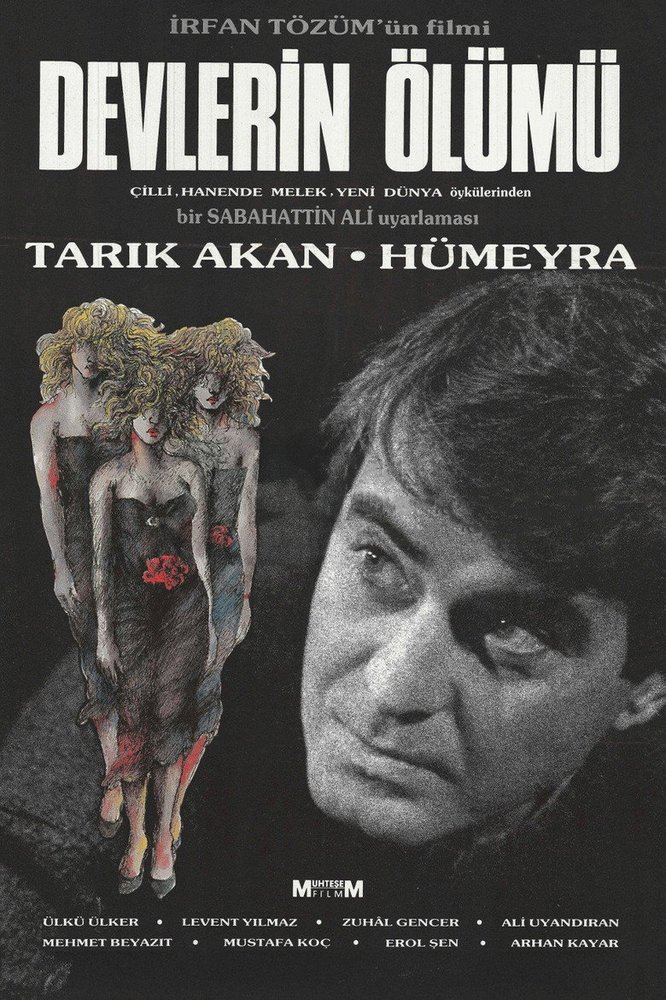
- Karartma Geceleri
- İkili Oyunlar
- İsa, Musa, Meryem
-

- El Kapıları
- Kimlik
- Üçüncü Göz
-

- The Wheel (Çark) (translated)
- Kızımın Kanı
- Skandal
- Yağmur Kaçakları
-

- Tightly Bound (Kıskıvrak) (translated)
-
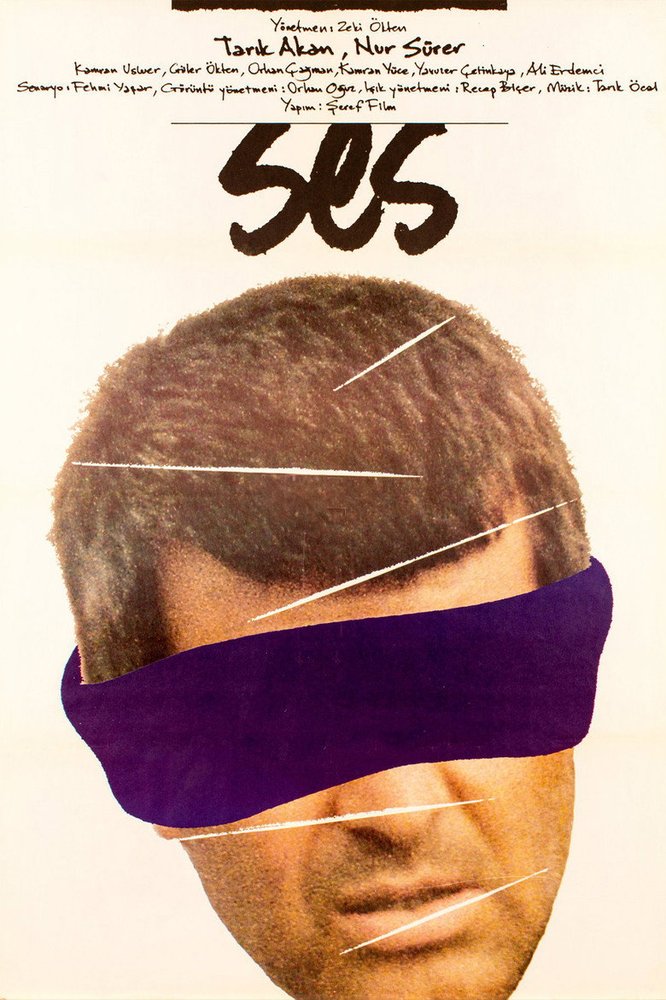
- Adem ile Havva
- Acı Dünya
-
-

-
-
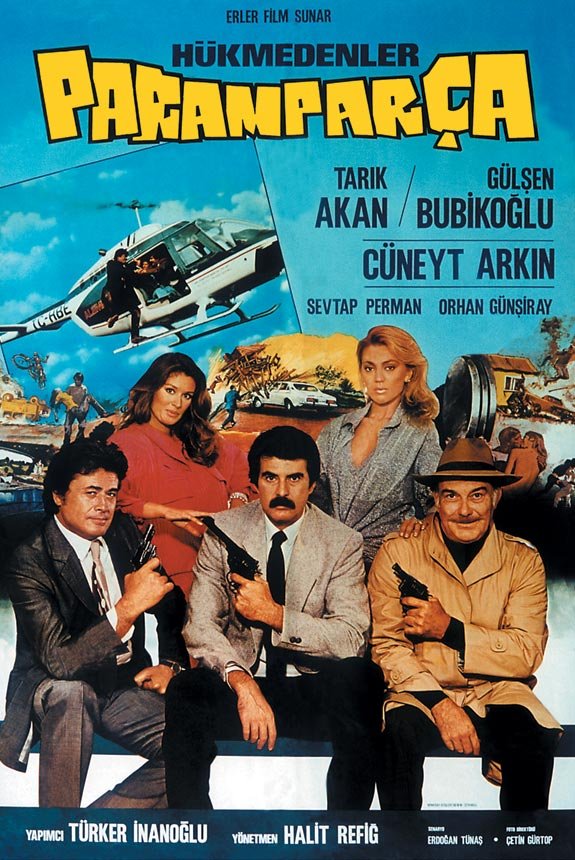
- Son Darbe
- The Shackled Slave (Halkalı Köle) (translated)
-

-
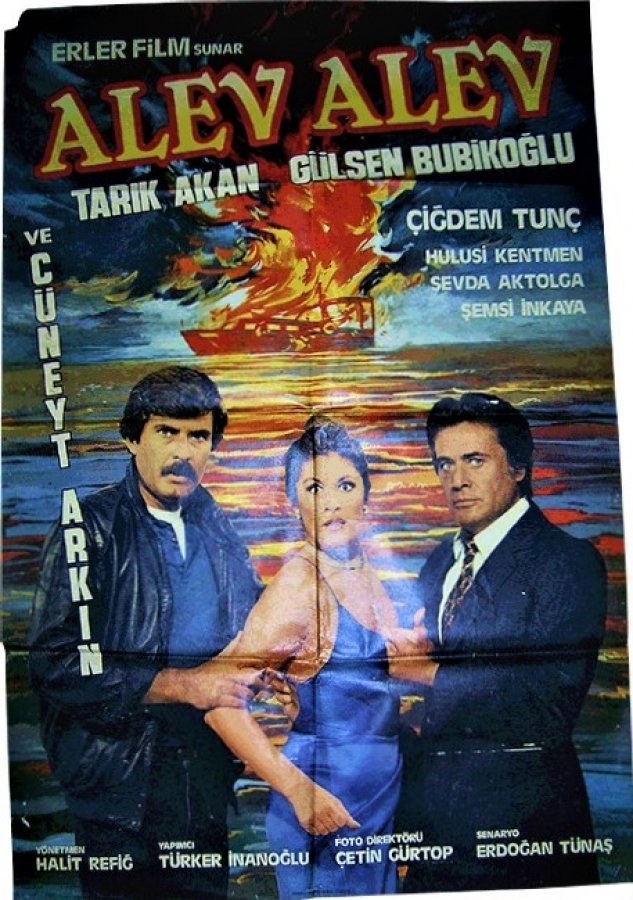
- Kayıp Kızlar
- Yosma
- Damga
- Cure (Derman) (translated)
- Beyaz Ölüm
- Gecenin Sonu
- Çocuklar Çiçektir: Kuduz
-
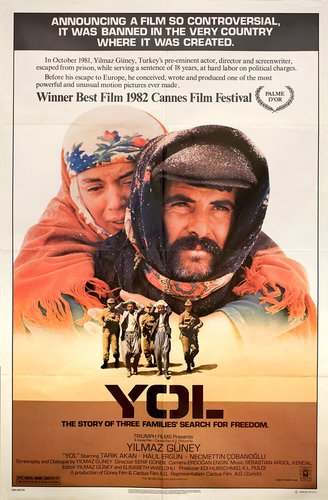
- The Fugitive (Kaçak) (translated)
- Arkadaşım
- Herhangi Bir Kadın
- Deli Kan
-

-

-

-
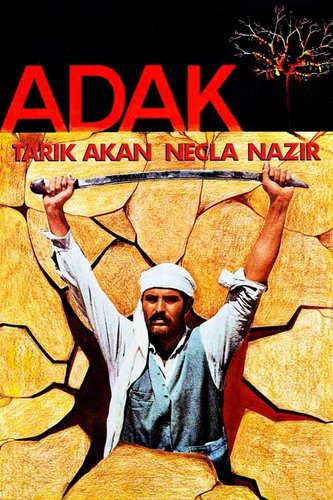
- Seninle Son Defa
- The Mine (Maden)
- Lekeli Melek
-
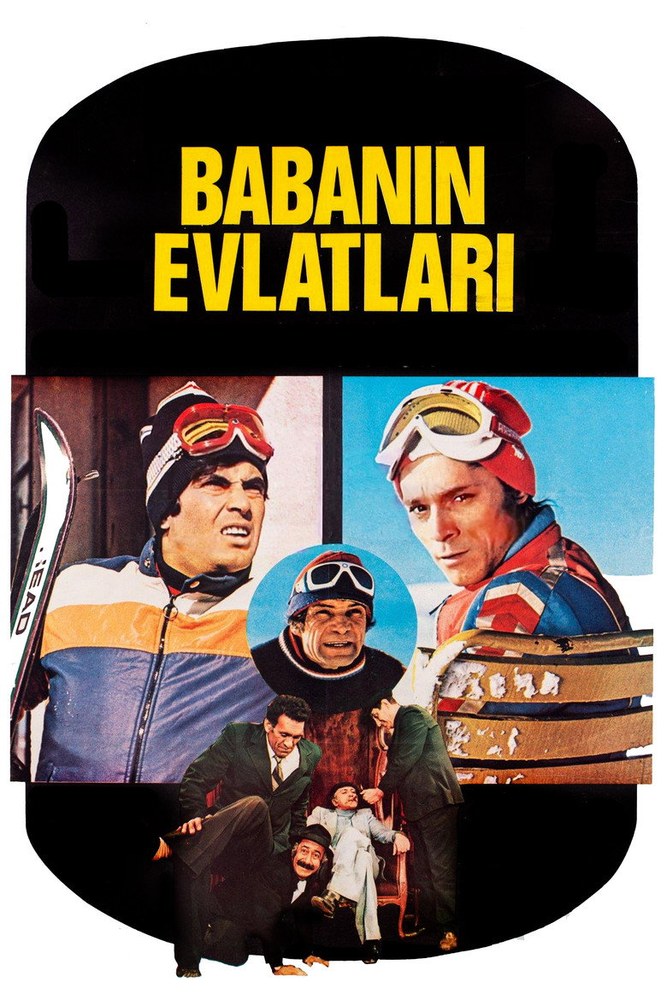
-
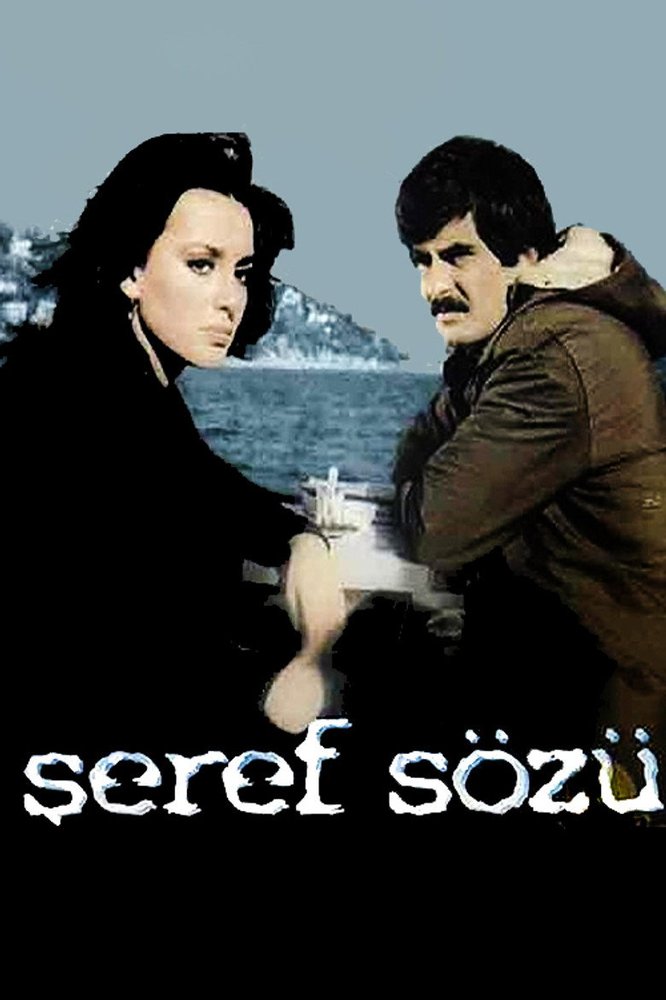
-
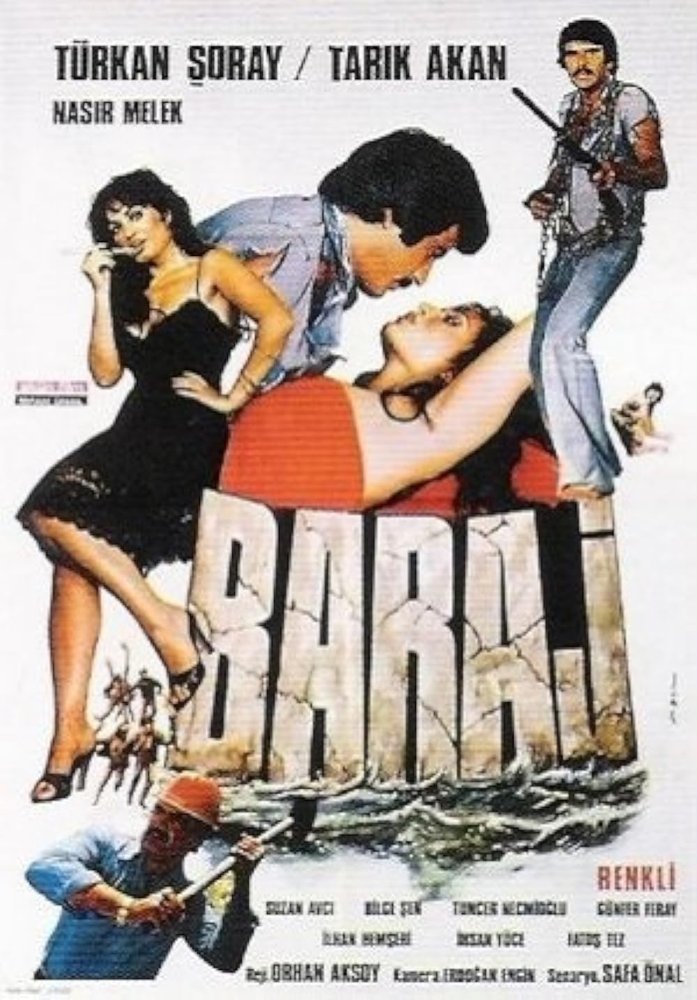
- Sevgili Dayım
- Bizim Kız
- Polizia Selvaggia
-

-

-

- Aşk Dediğin Laf Değildir
-
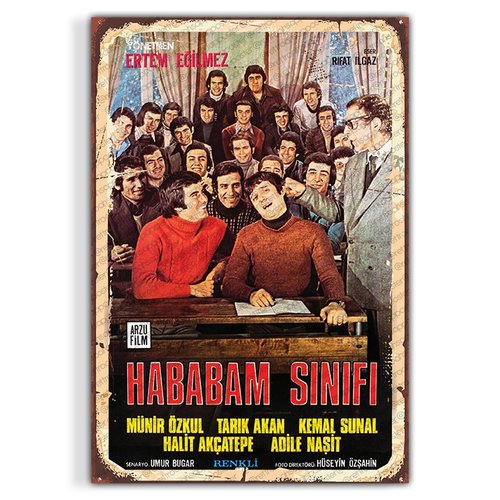
- Oh, Where? (Ah Nerede) (translated)
- Playing House (Evcilik Oyunu) (translated)
- Bizim Aile
- Ateş Böceği
- Delisin
- Çapkın Hırsız
- Gece Kuşu Zehra
-

- Boşver Arkadaş
- Yaz Bekârı
- Yeryüzünde Bir Melek
- Memleketim
- Esir Hayat
- Mahcup Delikanlı
- Kanlı Deniz
-

-

-

-
- World of Hope (Umut Dünyası) (translated)
- Feryat
- Para
-
-
- Suçlu
- Üç Sevgili
- Kaderimin Oyunu
- Aşkların En Güzeli
- Vefasız
- Azad Kuşu
- Sisli Hatıralar
-
- Emine
- Solan Bir Yaprak Gibi
- Melek mi Şeytan mı?


Tarık Akan — Biography
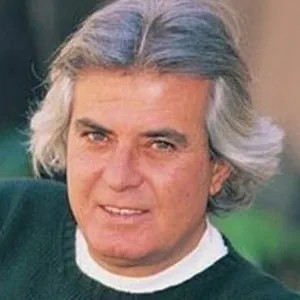
Tarık Akan is remembered as a Yeşilçam heartthrob who rose through romantic comedies and then became one of the best-known faces of socially engaged and political cinema. Born Tahsin Tarık Üregül, he won a mass audience as Damat Ferit in Hababam Sınıfı and carried his name to world cinema with Yol. He died in Istanbul on September 16, 2016, aged 66, of lung cancer.
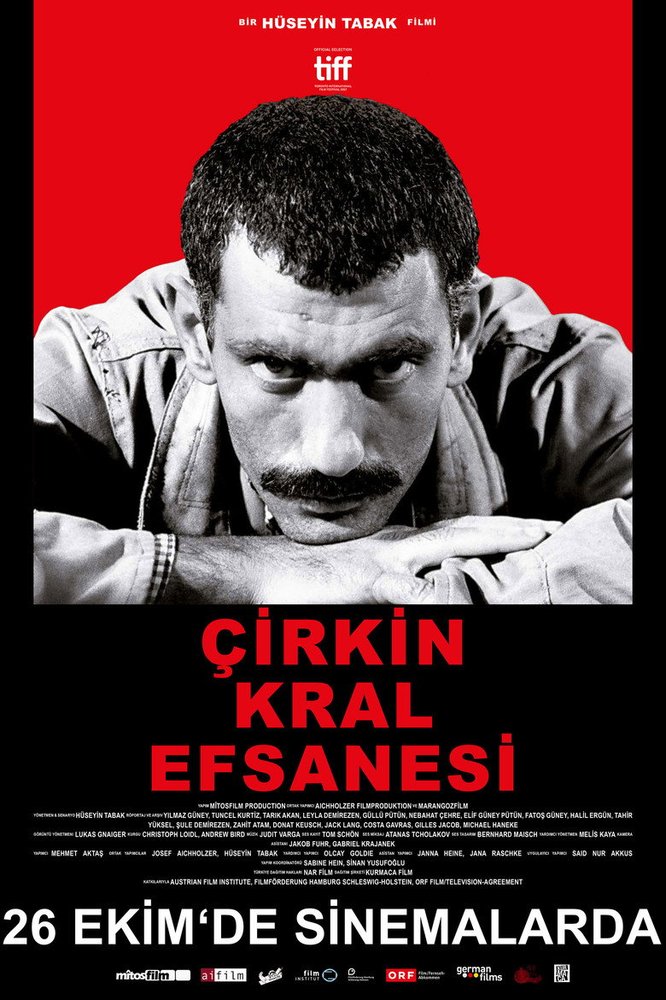
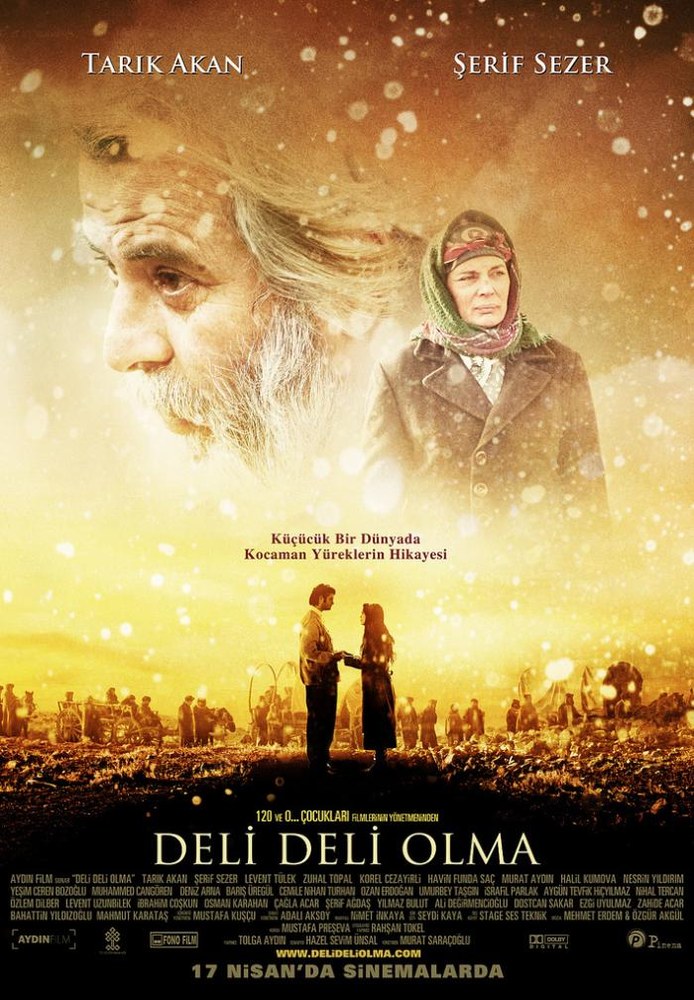
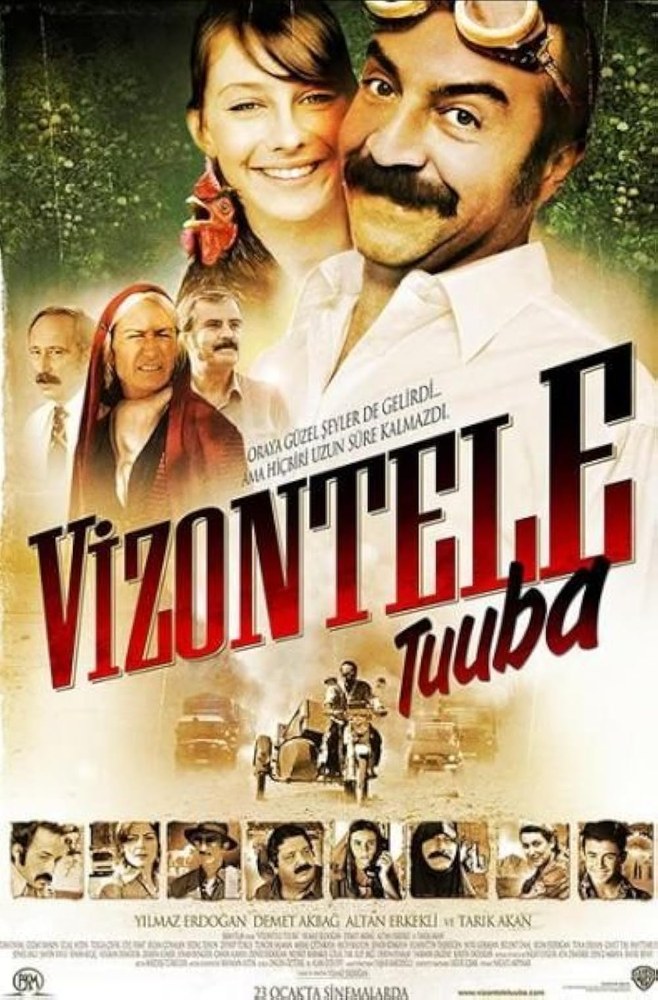
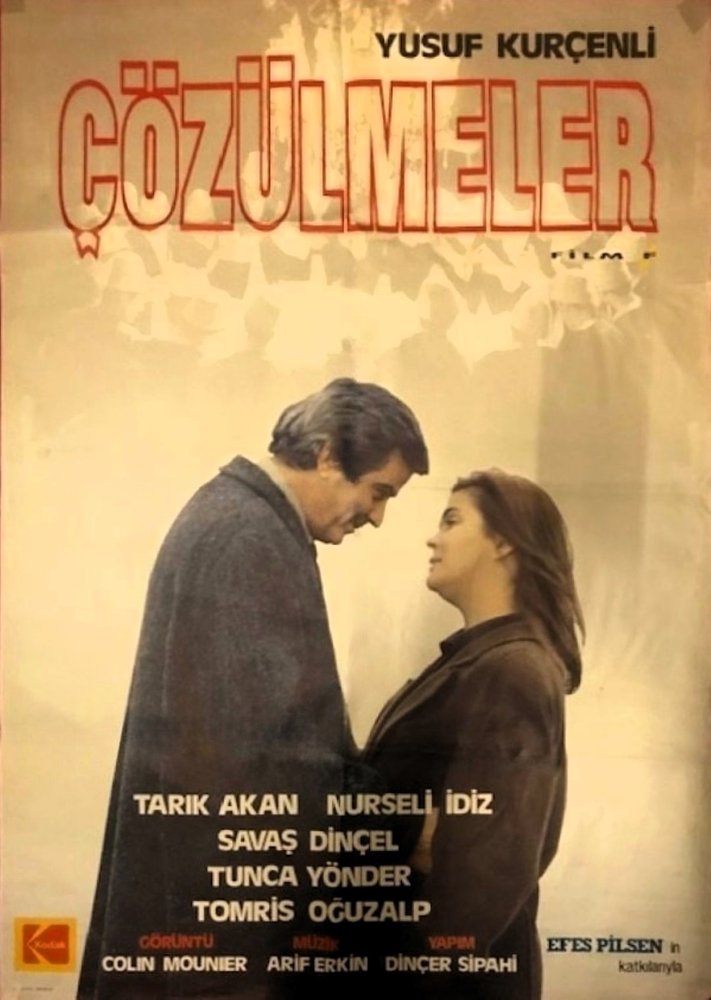
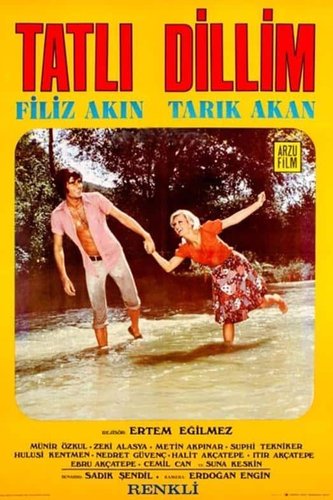
His career began when he won a film-star contest run by Ses magazine in 1970; he reached the screen in 1971 with Solan Bir Yaprak Gibi. He took the best actor prize at the Golden Orange in 1973 for Suçlu and became the favorite of the era with films such as Canım Kardeşim, Hababam Sınıfı, Hababam Sınıfı Sınıfta Kaldı, Mavi Boncuk, Tatlı Dillim and Ah Nerede. In the late 1970s, now mustached and bearded, he turned to socially minded films such as Maden, Sürü, Kanal and Yol, whose story was written by Yılmaz Güney. Yol won the Palme d'Or at Cannes in 1982, and Akan was nominated for best actor there. He received an honorable mention at the Berlin Film Festival for Pehlivan. Later he stayed on screen with Karartma Geceleri, Vizontele Tuuba and Deli Deli Olma.
He appeared in about 110 films and won the Golden Orange for best actor seven times, a record. He was jailed after the 1980 coup and described that period in his book Anne Kafamda Bit Var. He also produced and directed, and chaired the Nesin Foundation and the Nâzım Hikmet Culture and Arts Foundation.
Photos
Reactions
You can pick up to 3 reactions.
Comments