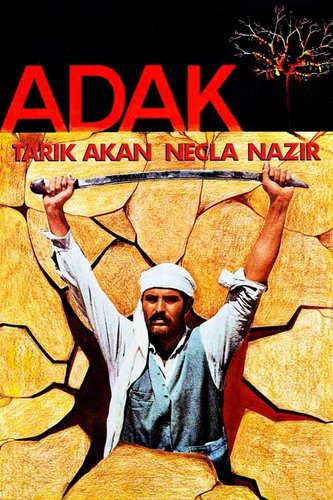
The Vow (Adak)

The Vow (Adak) (translated)

Movie · 1979 · 7 people

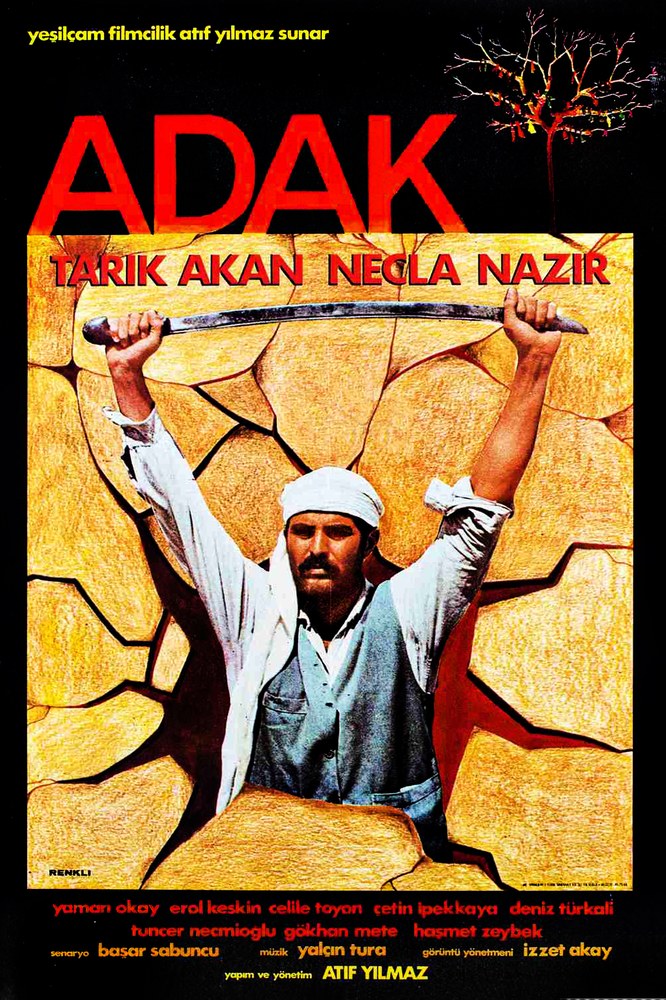
In 1979 the Turkish drama Adak (The Vow, also known as The Sacrifice) came from Atıf Yılmaz, who also produced it through Yeşilçam Film. It examines ritual and superstition in rural life, setting fiction beside documentary-style testimony. The color film runs 99 minutes. It was lined up for the canceled 17th Antalya Golden Orange Film Festival and later received Belated Golden Oranges for Best Screenplay and Best Actor.

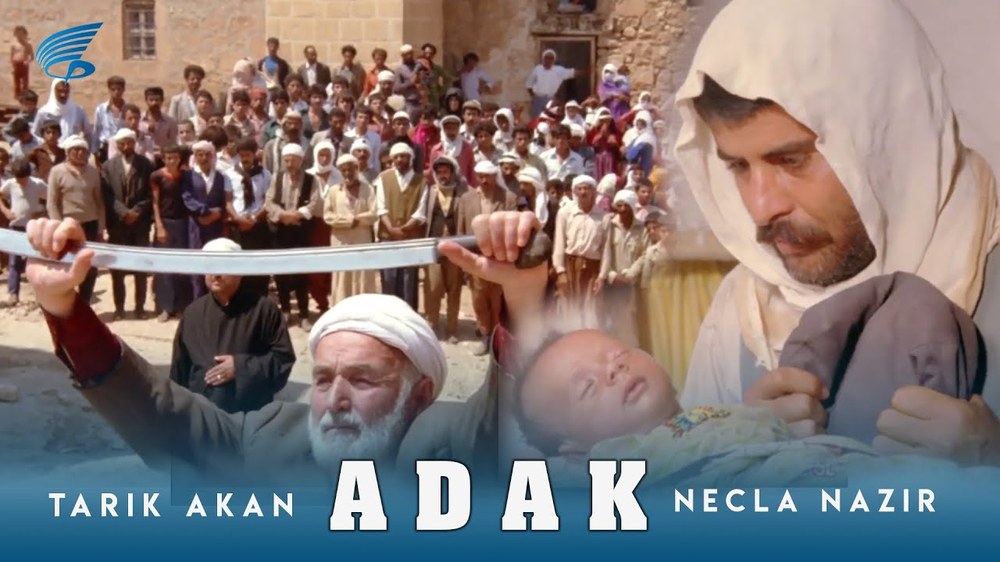
The story draws on a real incident from a Southeastern village in 1962-64. Müslüm, a poor young man, elopes with his sweetheart Gülbahar and marries her. Hardship sends him to another city as a laborer, where he is blamed for a gold theft and jailed. A devout man, he vows to offer his firstborn to God if he is cleared. The real thief emerges, and on returning home he finds his wife pregnant. Tarık Akan plays the lead and Necla Nazır plays Gülbahar, with Yaman Okay, Erol Keskin, Celile Toyon and Deniz Türkali in support.

Başar Sabuncu adapted the screenplay from a story by Faruk Erem; the music is by Yalçın Tura and the cinematography by İzzet Akay. It is notable as the first Turkish film to interleave scientific commentary from subject experts with the events. The critic Rekin Teksoy called it a "pathological tale".

DirectorAtıf Yılmaz
Production companyYeşilçam Film
The Vow (Adak) The Vow (Adak) The Vow (Adak)

Reactions

You can pick up to 3 reactions.

Cast
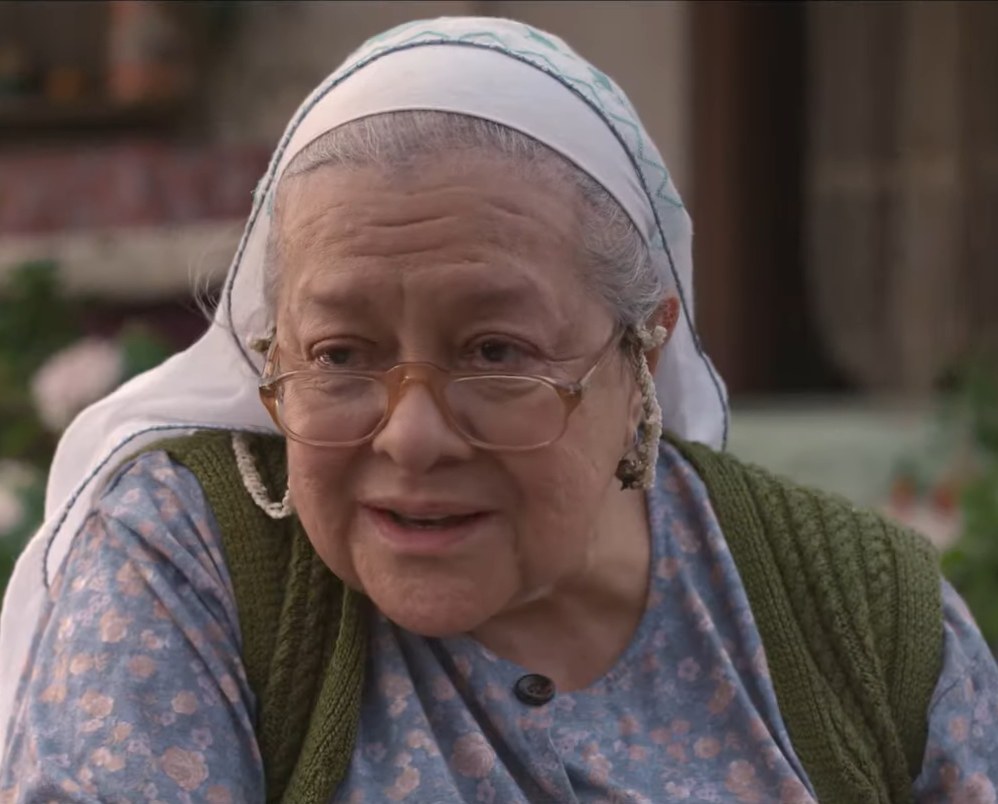
Also in the cast: Deniz Türkali
Through different eyes

History & Society Lens Asks about the period, the social background and what the work reflects.

Adak is based on a real incident in a village in south-eastern Turkey in 1962-64, and it asks how custom and superstition can drive a person down a particular path. Poverty, leaving for another city to work as a laborer and landing in jail on a false accusation are familiar stops on the era's village-to-city stories. Atıf Yılmaz's choice to interleave scientific commentary from subject experts with the events turns the film from a drama alone into an attempt at social inquiry. Customary scenes such as a rain prayer and a religious wedding show local life up close. The critic Rekin Teksoy's description of it as a pathological tale neatly sums up how the film treats a personal tragedy as a symptom of a social problem.

Yeşilçam Nostalgic A viewer raised on the classics, looking for warm storytelling and strong acting.

Seeing Tarık Akan and Necla Nazır in the same film is like opening a Yeşilçam album from the late seventies. Bearing Atıf Yılmaz's signature, Adak keeps the plain, humane storytelling of the era's village dramas; the tale of poor Müslüm, who elopes with Gülbahar, begins with a touching innocence. Yalçın Tura's music and Başar Sabuncu's screenplay vouch for the craft. But let me warn you: this is not a film to lift the spirits; the weight of the vow presses on you more and more. The Belated Golden Oranges that came later look well deserved.

Family Viewer Asks whether the whole household can watch it; cares about humor and heart.

Adak is not a film to watch with children. Its subject is heavy: a vow a man makes, prison, poverty and superstition. It makes you think, but it also disturbs. Valuable for adults and older teenagers, especially those who want to talk about what customs can push people to do. Leave time to talk afterwards. If there are little ones at home, save it for another evening.

These are not reader reviews: they are short editorial takes written from different viewer perspectives with AI assistance. Reader reviews are below.

Reviews (0)

Log in Log in to write a review.

Comments