September Storm (Eylül Fırtınası)

September Storm (Eylül Fırtınası) (translated)

Movie · 1999 · 6 people

Atıf Yılmaz completed Eylül Fırtınası (September Storm) in 1999, a political drama showing the mark of the September 12 coup on an ordinary family through a child's eyes. It is adapted from a work by Habib Bektaş, with a screenplay by Gaye Boralıoğlu and İskender Ulus as producer. A co-production of Ulus Filmcilik and Delta Film, it was shot in color on 35 mm, runs 120 minutes and opened on February 11, 2000.

The action takes place on the island of Bozcaada in the first days of the military takeover. When five-year-old Metin's mother Ayten is jailed, the boy goes to live with his grandfather Hüseyin Efe. His father's photograph hangs on the wanted lists put up around the island, everyone talks of his mother as a communist, and Metin's playmates drift away from him. Yılmaz shows the pressure of the era not in public squares but in the daily life a child struggles to understand, so a national rupture becomes a family story on a small island.

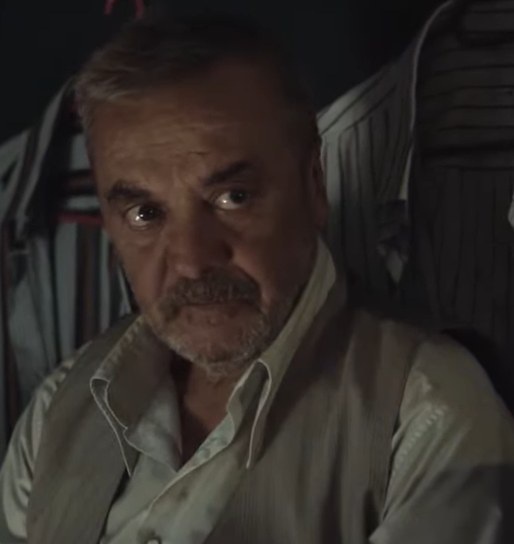
Tarık Akan plays Hüseyin Efe, Zara is Ayten and Kutay Özcan is the young Metin. Nejat İşler plays the adult Metin, Deniz Türkali is Şerife Teyze and Mesut Akusta is Kahraman. Tamer Çıray composed the music, Erdal Kahraman shot the film and Mevlüt Koçak is credited with editing.

DirectorAtıf Yılmaz
Production companyUlus Filmcilik, Delta Film

Reactions

You can pick up to 3 reactions.

Cast
Also in the cast: Kutay Özcan, Deniz Türkali (Aunt Şerife)
Through different eyes

History & Society Lens Asks about the period, the social background and what the work reflects.

Eylül Fırtınası tells the story of the September 12 coup not from the public squares but from the daily life of a five-year-old staying with his grandfather on Bozcaada. Metin, whose mother has been arrested and whose father's photo hangs on the wanted lists, is shunned by children his age, showing how the fear the coup created seeped into the smallest relationships. The way people around him call his mother a communist makes the stigmatizing language of the period strikingly visible. Shrinking a national rupture to a family story makes the film both accessible and, at times, too sheltered; still, it holds a quiet, memorable place among works dealing with the post-coup years.

Cinephile Looks at script, editing and directing choices; keeps a distance from formula films.

Eylül Fırtınası stands out for filtering a major political rupture through a child's point of view. Gaye Boralıoğlu's script builds Habib Bektaş's work from everyday detail without sliding into slogans. Through Erdal Kahraman's images, Bozcaada's enclosed geography becomes a setting at once peaceful and stifling. Tarık Akan's grandfather gives the film a solid center of gravity. On the other hand, the 120-minute running time, combined with the narrow perspective of a child, slackens the dramatic tension in the middle, and some scenes lose force through repetition. Still, a mature, measured work from Atıf Yılmaz that trusts its own language.

Yeşilçam Nostalgic A viewer raised on the classics, looking for warm storytelling and strong acting.

Seeing Tarık Akan as a grandfather carries a sweet sadness for a viewer who has grown older alongside him. Hüseyin Efe is like the film's conscience, a calm refuge for a grandson whose world has been turned upside down. Atıf Yılmaz tells of a painful period not by shouting but through a child's bewildered gaze, and that delicacy recalls the work of the old masters. The island air of Bozcaada and Tamer Çıray's music give the story a poetic mood. The subject is heavy and at times weighs on you, but as a whole it is a film that makes you reflect on loyalty and family bonds.

These are not reader reviews: they are short editorial takes written from different viewer perspectives with AI assistance. Reader reviews are below.

Reviews (0)

Log in Log in to write a review.

Comments