Pehlivan

Wrestler (Pehlivan) (translated)

Movie · 1984 · 8 people

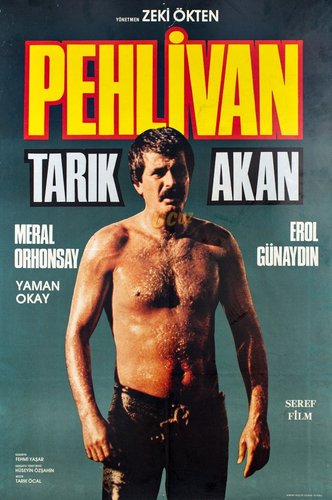
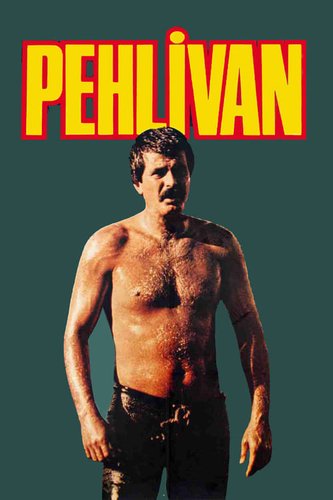
Zeki Ökten directed the Turkish drama Pehlivan (Wrestler) in 1984, telling the story of wrestling through the struggle to make a living. It follows an ordinary man who turns to oil wrestling for money, with his dreams and the price of those dreams. The film was entered into the 35th Berlin International Film Festival, where Tarık Akan received an Honourable Mention. Şerafettin Gür produced it, and Şeref Film made it.

The main character Bilal lives with his wife, two children and elderly father. He takes various jobs to get by, but his real goal is to work abroad in Libya. While he waits to go, the wrestling announcer Mestan suggests he take up wrestling, his father's profession. Bilal thinks that if he becomes champion at Kırkpınar he will win the grand prize, and he trains with the help of Mestan and his master Sarı Tevfik. Each bout he wins feeds his dreams of wealth. Tarık Akan plays Bilal, Yaman Okay plays Sarı Tevfik and Erol Günaydın plays Mestan; Ahmet Kayışkesen plays Bilal's father Himmet and Tuluğ Çizgen plays Cemile.

Fehmi Yaşar wrote the screenplay. The music is by Tarık Öcal, the cinematography by Hüseyin Özşahin and the editing by Nevzat Dişiaçık. It was shot in colour on 35 mm.

DirectorZeki Ökten
Production companyŞeref Film
Wrestler (Pehlivan) Wrestler (Pehlivan)

Reactions

You can pick up to 3 reactions.

Cast

Through different eyes

Yeşilçam Nostalgic A viewer raised on the classics, looking for warm storytelling and strong acting.

When Zeki Ökten's people-centred cinema meets Tarık Akan's understated acting, the result is an unshowy film with a real heart. Akan's Honourable Mention in Berlin was no accident; he plays the part not as a hero but as an ordinary man trying to hold on to his dreams. Setting a deep-rooted tradition like oil wrestling beside the struggle to make ends meet is one of the finest veins in our cinema. Far from loud comedies and told with a quiet sorrow, films like this seem all the more precious today.

History & Society Lens Asks about the period, the social background and what the work reflects.

Pehlivan touches on an important reality of early-eighties Turkey: men who could not make ends meet looking for hope in work abroad, in this case in Libya. Bilal turning to wrestling while he waits for his visa shows how even tradition can become a way of getting by. His return to his father's profession for money lets us read the bond between generations as both an inheritance and a burden. The figure of a man trying to carry a crowded household of wife, two children and elderly father on his own also says a great deal about family life at the time. The film tells all this not as a lesson but through one man's growing dreams.

Cinephile Looks at script, editing and directing choices; keeps a distance from formula films.

Here Ökten places the familiar shape of the sports film, the curve that rises with every win, inside a social-realist drama. The victories work less as moments of triumph than as steps on which Bilal's dreams swell, and that puts a clever distance between the film and the genre's mould. Fehmi Yaşar's script keeps the characters free of exaggeration, and Hüseyin Özşahin's photography aims for an unshowy realism. My reservation concerns pacing: the training and waiting stretches become repetitive at times, and the dramatic tension does not always reach the intensity it needs. Still, it is a notable example from its era of turning a sports story into a social question.

These are not reader reviews: they are short editorial takes written from different viewer perspectives with AI assistance. Reader reviews are below.

Reviews (0)

Log in Log in to write a review.

Comments