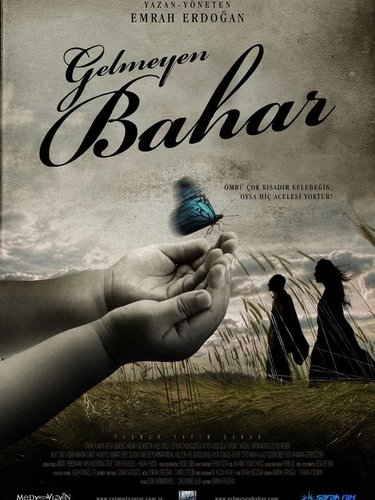
The Spring That Never Came (Gelmeyen Bahar)

The Spring That Never Came (Gelmeyen Bahar) (translated)

Movie · 2013 · 6 people

Honor-based oppression, so-called honor killings and violence against women are the subject of Gelmeyen Bahar ("The Spring That Never Came"), a Turkish drama. It was released on March 8, 2013, timed for International Women's Day to highlight cruelty toward women. Produced by Yağmur Yapım, it runs about two hours and twenty minutes. It was directed by Emrah Erdoğan (İpek), known as "Küçük Emrah", in his directorial debut.

The story follows people thrown off course by an impossible love. At its center is Bahar, an eighteen-year-old factory worker with dreams of her own whose fate has already been laid out by her family. She is caught between a silent mother, a retired father who seeks happiness outside the home and an unemployed brother, and learns that her uncle plans to marry her to his son. Ayten Uncuoğlu and Orhan Alkaya share the lead roles, with Hasan Küçükçetin, Beyza Şekerci, Ayşe Kökçü and Turgay Tanülkü also in the cast.

Erdoğan wrote the screenplay with Tarkan Ateşmen. The film was not well received by the press: one critic wrote that even television had exhausted the subject years earlier and that the film approached it with a dated, near-parodic outlook.

DirectorEmrah İpek
Production companyYağmur Yapım

Reactions

You can pick up to 3 reactions.

Cast
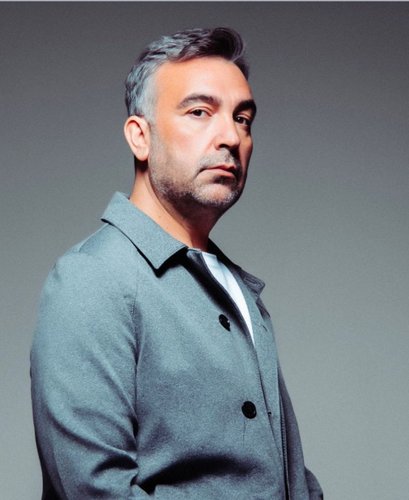
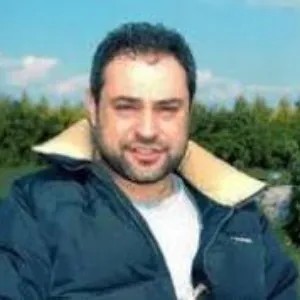
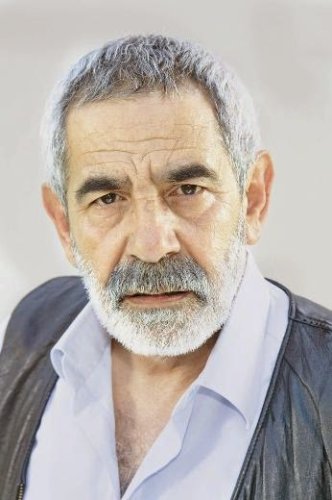
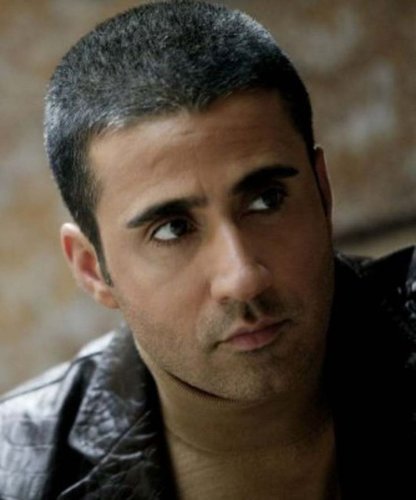
Also in the cast: Beyza Şekerci, Ayşe Kökçü, Orhan Alkaya (Davut)
Through different eyes

History & Society Lens Asks about the period, the social background and what the work reflects.

Gelmeyen Bahar chose to tackle the pressure of 'honor' traditions and violence against women, and even timed its release deliberately for March 8. Bahar's story paints a familiar family picture: a silent mother, a retired father who looks for happiness outside the home, an unemployed older brother and an uncle who decides the young woman's fate. Decisions being made by the network of relatives rather than by Bahar herself underlines that the problem is structural, not individual. But good intentions do not guarantee powerful storytelling; the press verdict that even television had exhausted the subject years earlier, and that the film's outlook felt dated, clearly exposes the freshness problem such socially minded productions face.

Cinephile Looks at script, editing and directing choices; keeps a distance from formula films.

Emrah İpek's first outing as a director, Gelmeyen Bahar takes on an important issue, but its film language cannot bear the weight. The script, co-written with Tarkan Ateşmen, distributes the family that traps Bahar into a set of character types; the silent mother, the father seeking happiness elsewhere, the jobless brother and the determined uncle risk becoming functions rather than people. Around two hours and twenty minutes is too long for such a clear dramatic line, and the story does not hold enough layers to justify it. One critic calling it close to parody is a harsh verdict, yet it describes well the trap awaiting films that cannot control the dose of melodrama. The intention deserves respect; the execution is clumsy.

Family Viewer Asks whether the whole household can watch it; cares about humor and heart.

Gelmeyen Bahar deals with very heavy subjects such as violence against women and honor killings. It is not suitable for watching with children; if you watch it with teenagers, be sure to talk about it afterwards. Running over two hours, it also makes for a long, tiring evening at home. The subject clearly matters, but for family viewing you may prefer productions that handle it more gently.

These are not reader reviews: they are short editorial takes written from different viewer perspectives with AI assistance. Reader reviews are below.

Reviews (0)

Log in Log in to write a review.

Comments