Two Women (İki Kadın)

Two Women (İki Kadın) (translated)

Movie · 1992 · 12 people

Shot in color on 35 mm, İki Kadın (Two Women) comes from Yavuz Özkan, who directed this 1992 Turkish drama. Özkan wrote the screenplay with Baran Seyhan. Aycan Çetin produced it, and it is a joint production of Z Film and Kanal 6. At the 12th International Istanbul Film Festival it was named Best Turkish Film of the Year.

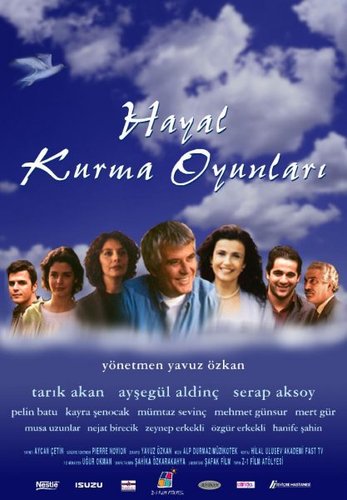
The story is inspired by a real incident. A married minister mistreats and assaults a sex worker he is with in a hotel room, and when the matter grows and reaches the press he finds himself in trouble. The film's most striking passages are the scenes in which the politician's wife and the sex worker come to know each other and grow close. Haluk Bilginer (as Metin) and Zuhal Olcay share the lead. The cast also includes Serap Aksoy, Nejat Boren, Tunca Yönder (the lawyer), İlhan Dolunay (the father), Göknil Vuran, Sabahattin Çetin, Fatoş Ceylan (a journalist), Funda Eskioğlu, Ali Yılmaz (the minister's aide), Güngör Erbayık and Turgay Tanülkü (a journalist).

Ertunç Şenkay was the cinematographer, Berrak Taranç composed the music and Gül Oğuz was art director. Mevlüt Koçak and Sedat Karadeniz edited, and Tamer Eşkazan cut the negative. Aycan Çetin also served as assistant director, Erkan Esenboğa recorded the sound and Atilla Yiğit directed the dubbing.

DirectorYavuz Özkan
Production companyZ Film

Reactions

You can pick up to 3 reactions.

Cast

Zuhal Olcay Zuhal Olcay Actor · 69 years old Serap Aksoy Serap Aksoy Actor · 62 years old Haluk Bilginer Haluk Bilginer Actor · 72 years old Metin Sabahattin Çetin Fatoş Ceylan Journalist İlhan Dolunay Father Güngör Erbayık Funda Eskioğlu Göknil Vuran Ali Yılmaz Minister's aide Tunca Yönder Lawyer Turgay Tanülkü Turgay Tanülkü Actor · 73 years old Journalist

Also in the cast: Nejat Boren

Through different eyes

Yeşilçam Nostalgic A viewer raised on the classics, looking for warm storytelling and strong acting.

In Yeşilçam, the 'fallen woman' was usually drawn as a figure to be pitied or punished. The worth of İki Kadın lies in seating that woman across from a minister's wife and giving both a face and a voice. For an eye seeking the warmth of the classics, the film is harsh and at times bruising; it starts from a violent incident and offers no easy consolation. Even so, the scenes in which the two women come to know each other capture a tenderness the old melodramas could not. Its award at the Istanbul Film Festival should be counted as a reward for that courage.

History & Society Lens Asks about the period, the social background and what the work reflects.

Inspired by a real incident, the film looks at the point where power, the press and gender intersect. That a minister's assault becomes a problem only once it reaches the press shows how much accountability depends on public pressure. What is most interesting, though, is that the women society places at opposite ends, the 'respectable wife' and the sex worker, find a shared experience in the shadow of the same man. Through that closeness the film questions how fragile the divides of class and morality are. Treating this subject so openly in early-1990s Turkey was a bold step for its time.

Cinephile Looks at script, editing and directing choices; keeps a distance from formula films.

Yavuz Özkan's film, rather than building a political scandal as a thriller or courtroom drama, puts its weight on the relationship between two women; that these scenes are the most remembered part of the film shows the choice was right. But in my view the structure also creates an imbalance: the scandal thread, revolving around the minister, the lawyer, the aide and the journalists, at times feels like a frame filled with functional, schematic figures that do little beyond giving the women's story context. The men's world is drawn more as a mechanism. That can be read as a deliberate choice of perspective; still, a more layered other side could have made the women's closeness even more striking.

These are not reader reviews: they are short editorial takes written from different viewer perspectives with AI assistance. Reader reviews are below.

Reviews (0)

Log in Log in to write a review.

Comments