

The 80th Step (80. Adım) (translated)
80. Adım (The 80th Step) is a 1996 Turkish drama directed by Tomris Giritlioğlu and produced for TRT. It is adapted from a work by Mehmet Eroğlu, who also wrote the screenplay, and it is cataloged under themes of prison, confrontation and police. Shot in color on 35 mm, it runs 105 minutes and reached cinemas on December 6, 1996. At the 15th International Istanbul Film Festival it was named Best Turkish Film of the Year.
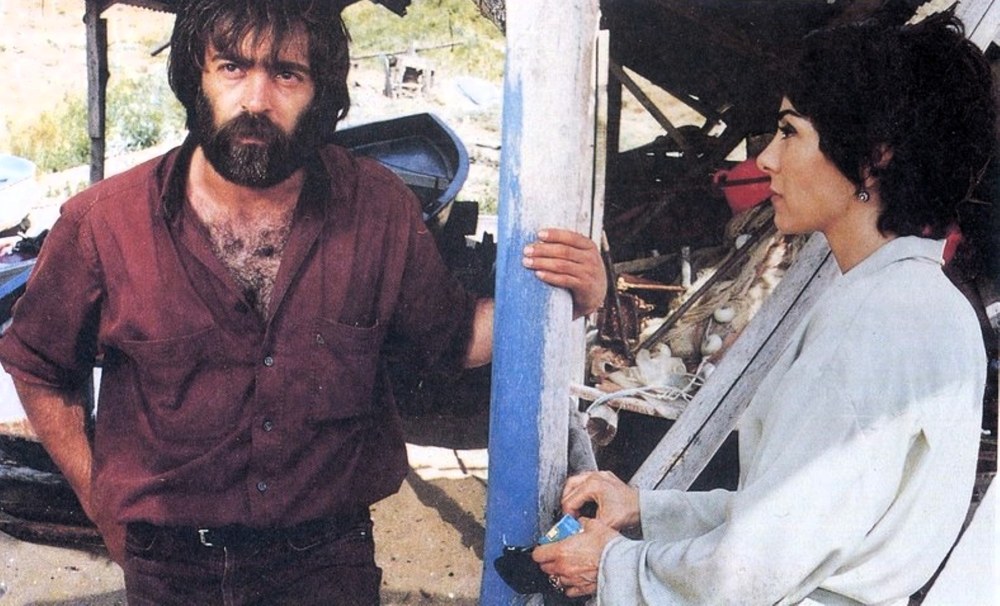
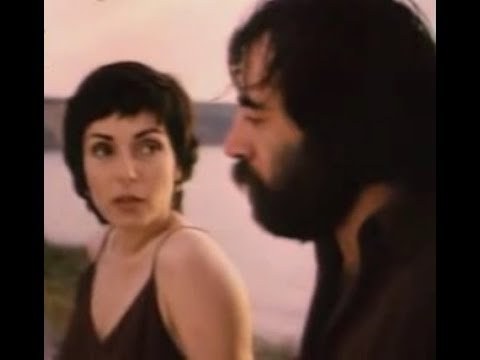
The film follows a group of former militants who meet again after the September 12 coup and call their past, and one another, to account. At its center is Korkut Laçin, who grew up in an orphanage, joined the militant movement at eighteen and was tortured. Hunted by the police, he flees the country and works as a deckhand on freighters in the Far East, but he is caught and extradited to Turkey. After serving his sentence he looks up Sedat, a friend from his youth who went into politics years earlier and with whom he has an old score to settle, and becomes involved with Sedat's wife. His story ends when Sedat's sister, once his fiancée, kills him.
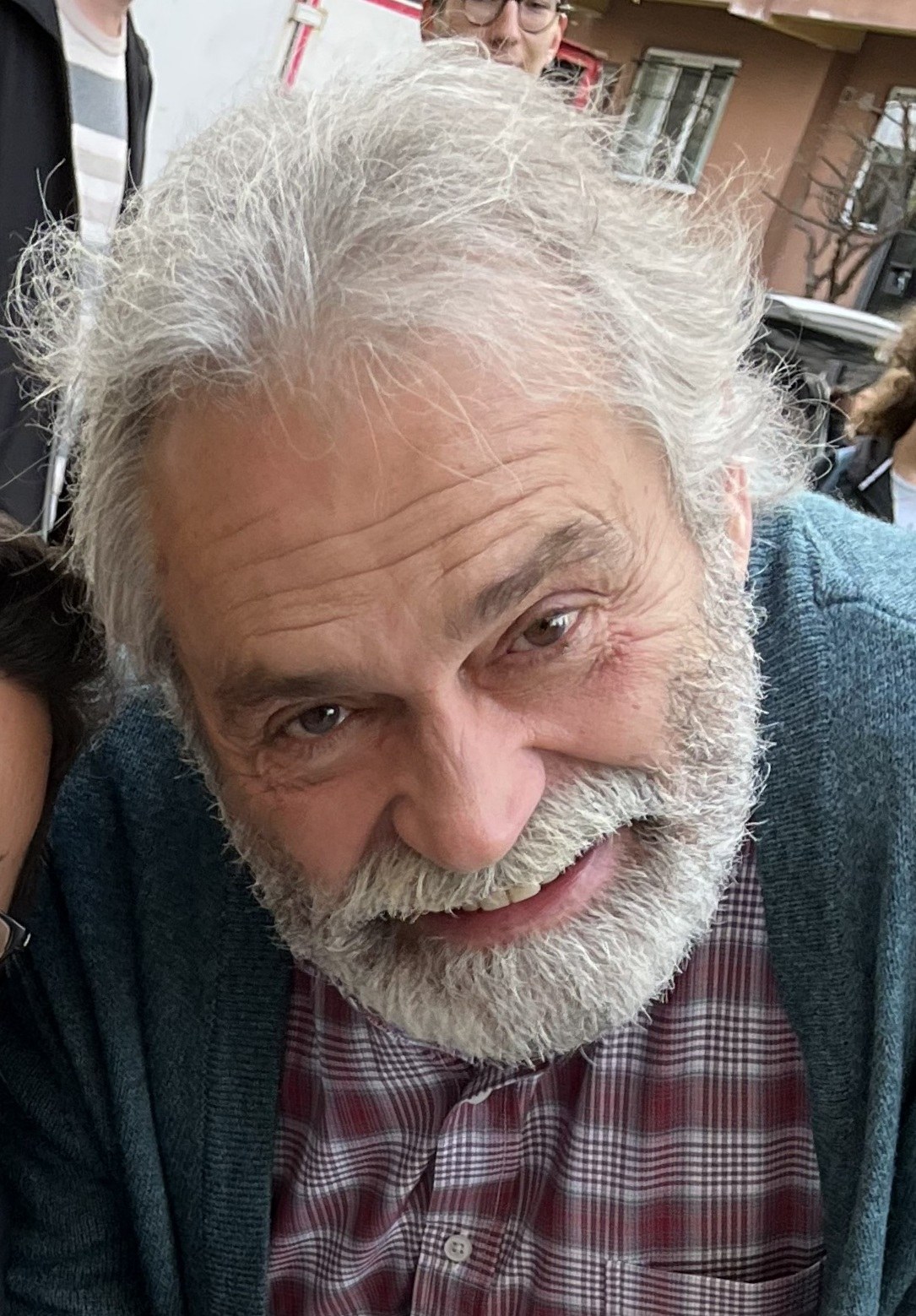
Haluk Bilginer plays the prosecutor, with Zuhal Olcay as Lerzan, Levent Ülgen as Korkut Laçin and Derya Alabora as Aslı. Altan Erkekli appears as the deputy prosecutor, Hümeyra Akbay as the orphanage attendant, Emre Baykal as Hasan, Taner Barlas as Raoul, Civan Canova as Sedat, Tunca Yönder as Dehler, Aytaç Yörükaslan as Ali Bıçakçı and Meral Çetinkaya as Zeynep. Selçuk Yöntem, Uğur Çavuşoğlu, Münir Akça and Savaş Yurttaş complete the credited cast.
Behind the camera, Cafer Özgül produced and Zeki Demirkubuz served as production coordinator. Yavuz Türkeri was director of photography, Münir Nurettin Beken composed the music, Mustafa Ziya Ülkenciler was art director and Bilge Can edited. Hilmi Güver designed the titles, Ercan Yılmaz operated the Steadicam, Ali Salim Yaşar was chief lighting technician and Jale İncekol was first assistant director.
| Director | Tomris Giritlioğlu |
|---|---|
| Production company | TRT |
Reactions
You can pick up to 3 reactions.
Cast
 Hümeyra
Yetimhanenin hademesi
 Zuhal Olcay
Lerzan Bender
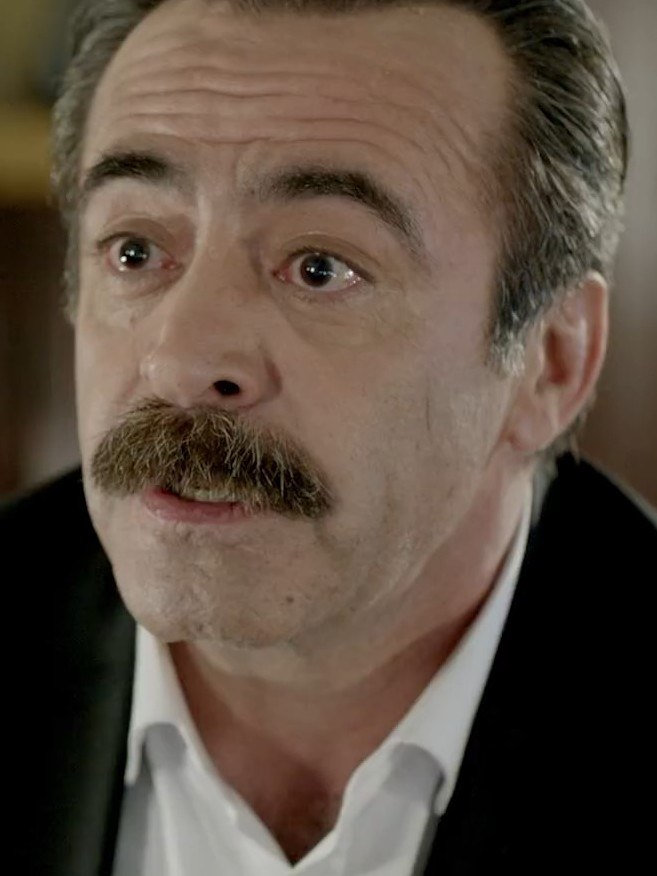 Levent Ülgen
Korkut Laçin
 Taner Barlas
Raoul
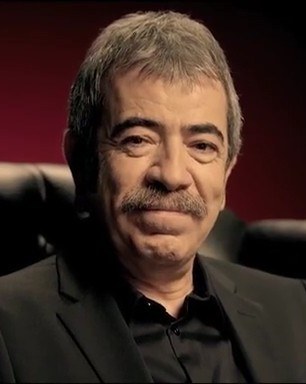 Selçuk Yöntem
Mesut
 Münir Akça
Savaş Yurttaş
 Haluk Bilginer
Prosecutor
 Derya Alabora
Aslı Bender
 Civan Canova
Sedat Bender
 Altan Erkekli
Deputy Prosecutor
 Meral Çetinkaya
Zeynep Bender
Also in the cast: Uğur Çavuşoğlu, Emre Baykal (Hasan), Tunca Yönder (Dehler), Aytaç Yörükaslan (Ali Bıçakçı)





Comments