

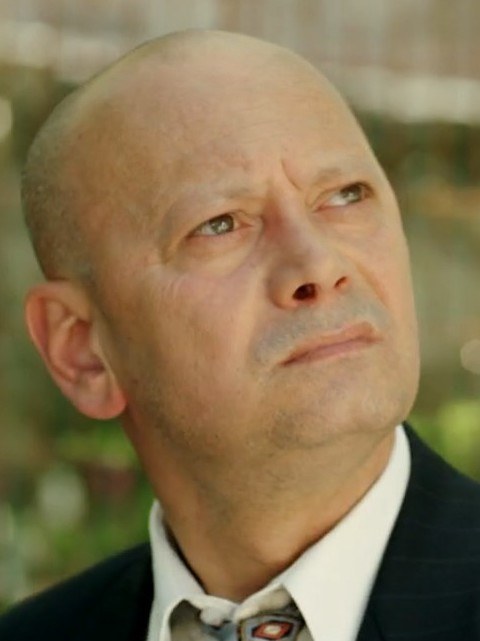
Civan Canova
Actor · died at 67
Profile
| Age at death | 67 |
|---|---|
| Birth date | June 28, 1955 |
| Birthplace | Ankara |
| Died | August 20, 2022 |
| Profession | Actor |
| Zodiac sign | Cancer |
| Eye color | Brown |
| Education | Ankara State Conservatory, Theatre Department |
In the rankings




Filmography / Projects
-
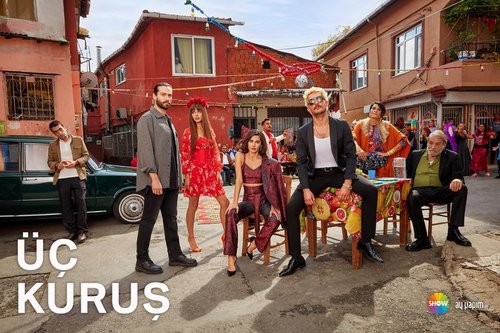 Three Pennies (Üç Kuruş) (translated)
-
 The Gift (Atiye)
- Every Love a Farewell (Her Sevda Bir Veda) (translated)
-
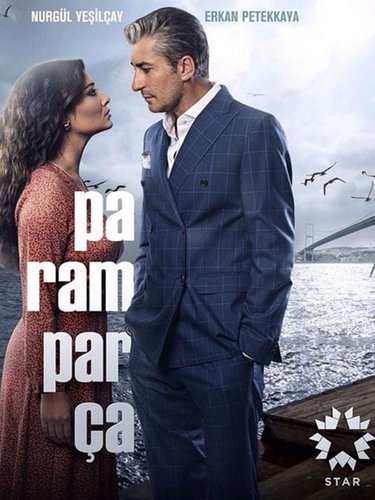 Shattered (Paramparça) (translated)
-
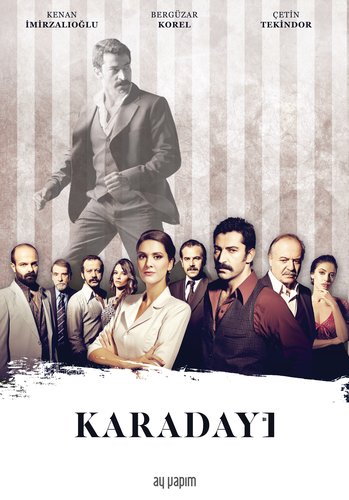 Karadayı
-
 F Type (F Tipi Film)
-
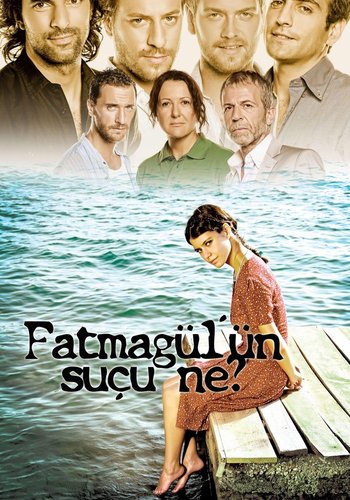 What Is Fatmagül's Crime? (Fatmagül'ün Suçu Ne?) (translated)
-
 Ward 72 (72. Koğuş) (translated)
- I Can't Live Without You (Sensiz Yaşayamam) (translated)
-
 Ask Your Heart (Yüreğine Sor)
- Moonlight (Ay Işığı) (translated)
- Class (Sınıf) (translated)
- The Weaker Sex (Eksik Etek) (translated)
-
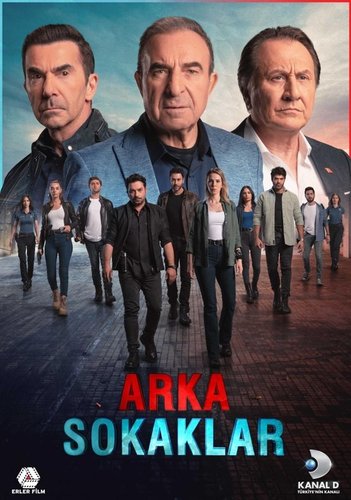 Back Streets (Arka Sokaklar) (translated)
- Captive Hearts (Esir Kalpler) (translated)
-
 Home Coming (Eve Dönüş)
- Nightingale's Eye (Çeşm-i Bülbül) (translated)
- Night Walk (Gece Yürüyüşü) (translated)
-
 Ömerçip
-
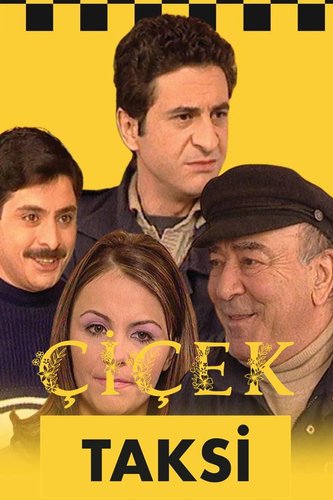 Flower Taxi (Çiçek taksi) (translated)
-
 The 80th Step (80. Adım) (translated)
-
 Our Family (Bizim Aile) (translated)
-
 Gravitational Loves (Yer Çekimli Aşklar) (translated)
- Sokaktaki Adam
- False Dawn (Yalancı Şafak) (translated)
- Bitter Bite (Acı Lokma) (translated)
- Yıkılan Gurur
- Berduşlar
- Yaşamak Bu Değil
- Mutlu Ol Yeter
- Arkadaş
Civan Canova — Biography
Civan Canova was an artist who worked across a wide range, from the state theater stage to the mass audience of television, as much as a playwright as an actor. On television he is remembered as Celal in Çiçek Taksi, Rahmi in Paramparça and Mustafa in Atiye; in cinema, his role as a torturing police officer in Eve Dönüş won him the Golden Orange. He died in Istanbul on August 20, 2022, aged 67, after a long illness.
He was born in Ankara, the son of the theater man Mahir Canova. After TED Ankara College, in the summer of 1974 while preparing for the conservatory exam, he stood in front of the camera for the first time in Yılmaz Güney's Arkadaş, and entered the Ankara State Conservatory the same year. He graduated in 1979, joined the State Theatres and worked at the Istanbul State Theatre. He also turned to writing: starting with the screenplay Kör Buluşma, he wrote his first play, Kıyamet Sularında, in 1994; Sokağa Çıkma Yasağı and Düğün Şarkısı are among his most staged. From the 1990s he was both writer and actor on television with Bizim Aile, followed by Fatmagül'ün Suçu Ne?, Karadayı, Üç Kuruş and, on film, 72. Koğuş and F Tipi Film.
His awards include the Cevdet Kudret Literature Award for Sokağa Çıkma Yasağı, the Golden Orange and Sadri Alışık best supporting actor awards for Eve Dönüş, and the Afife Theatre Awards' most successful male actor of the year for Ölüleri Gömün. He also painted, and after his death the exhibition Damlalar opened at his wish.
Photos


Reactions
You can pick up to 3 reactions.
Comments