

Home Coming (Eve Dönüş)
Eve Dönüş (Home Coming) is a 2006 drama written and directed by Ömer Uğur. It opened in Turkey on November 3, 2006, and runs 101 minutes. Some sources call it a Greek-Turkish co-production. The cinematographer is Mustafa Kuşçu and the music is by Tamer Çıray.
The film looks at the September 12, 1980, coup through one ordinary Istanbul household. Mustafa (Memet Ali Alabora) is a worker from the city's edge who keeps out of politics and joined the union only under pressure. He has been married for five years to Esma (Sibel Kekilli), and they have a daughter, Elif. They work overtime to pay installments on a television, the street fighting at night is no concern of theirs, and when the coup is announced Mustafa is even glad that things have calmed down. Then his landlord (Can Kolukısa), with whom he is on bad terms, denounces him as a member of an organization. Mustafa is arrested as a supposed political officer code-named Şehmuz and tortured for 22 days. His cellmate is Hoca (Altan Erkekli), who is in fact a teacher.
The cast also includes Savaş Dinçel (Esma's father Sacit), Perihan Savaş (Esma's mother), Cengiz Küçükayvaz (Cahit), Civan Canova (the commissioner), Erdal Tosun (a police officer) and Necmettin Çobanoğlu (a worker and union representative); Yavuz Bingöl, Sermiyan Midyat and Ahmet Mümtaz Taylan appear as guests playing okey.
| Director | Ömer Uğur |
|---|
Reactions
You can pick up to 3 reactions.
Cast
 Ahmet Mümtaz Taylan
Man Playing Okey
 Ali Tutal
 Altan Erkekli
Teacher
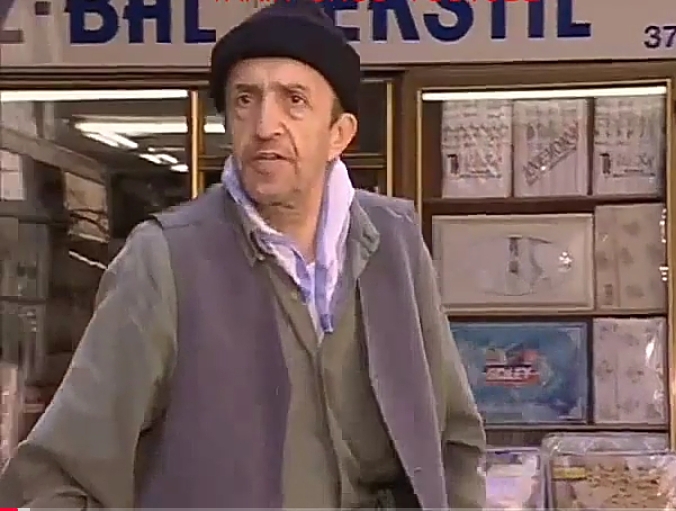 Can Kolukısa
Ev Sahibi
 Cengiz Küçükayvaz
Cahit
 Civan Canova
Torturer Inspector
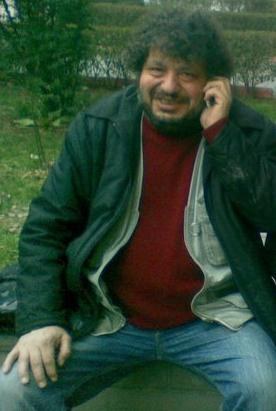 Erdal Tosun
Torturer Police Officer
 Memet Ali Alabora
Mustafa
 Mustafa Turan
 Necmettin Çobanoğlu
Worker
 Perihan Savaş
Esma's Mother
 Savaş Dinçel
Sacit
 Sermiyan Midyat
 Yavuz Bingöl
Man Playing Okey
 Yeşim Ceren Bozoğlu
Worker
 Sibel Kekilli
Esma






Comments