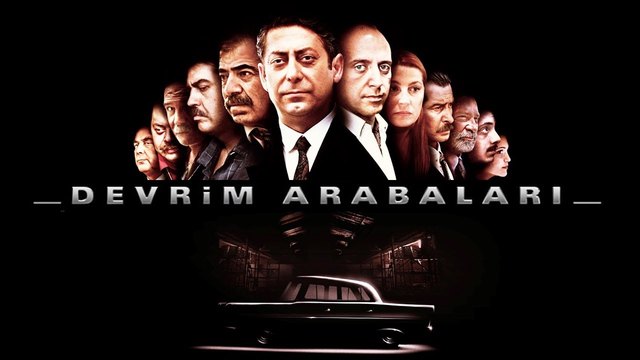
Cars of the Revolution (Devrim Arabaları)

Cars of the Revolution (Devrim Arabaları)

Movie · 2008 · 18 people

Tolga Örnek wrote and directed the 2008 Turkish drama Cars of the Revolution (Devrim Arabaları). A historical and political story, it follows the making of Devrim, Türkiye's first domestically built car, and the lives of the people who worked on it. It reached cinemas on October 24, 2008, and grossed about $1.1 million. Produced by Ekip Film and distributed by Pinema, it runs 115 minutes.

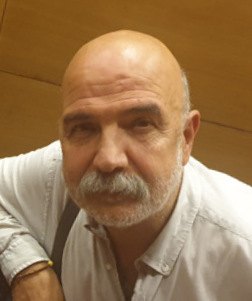
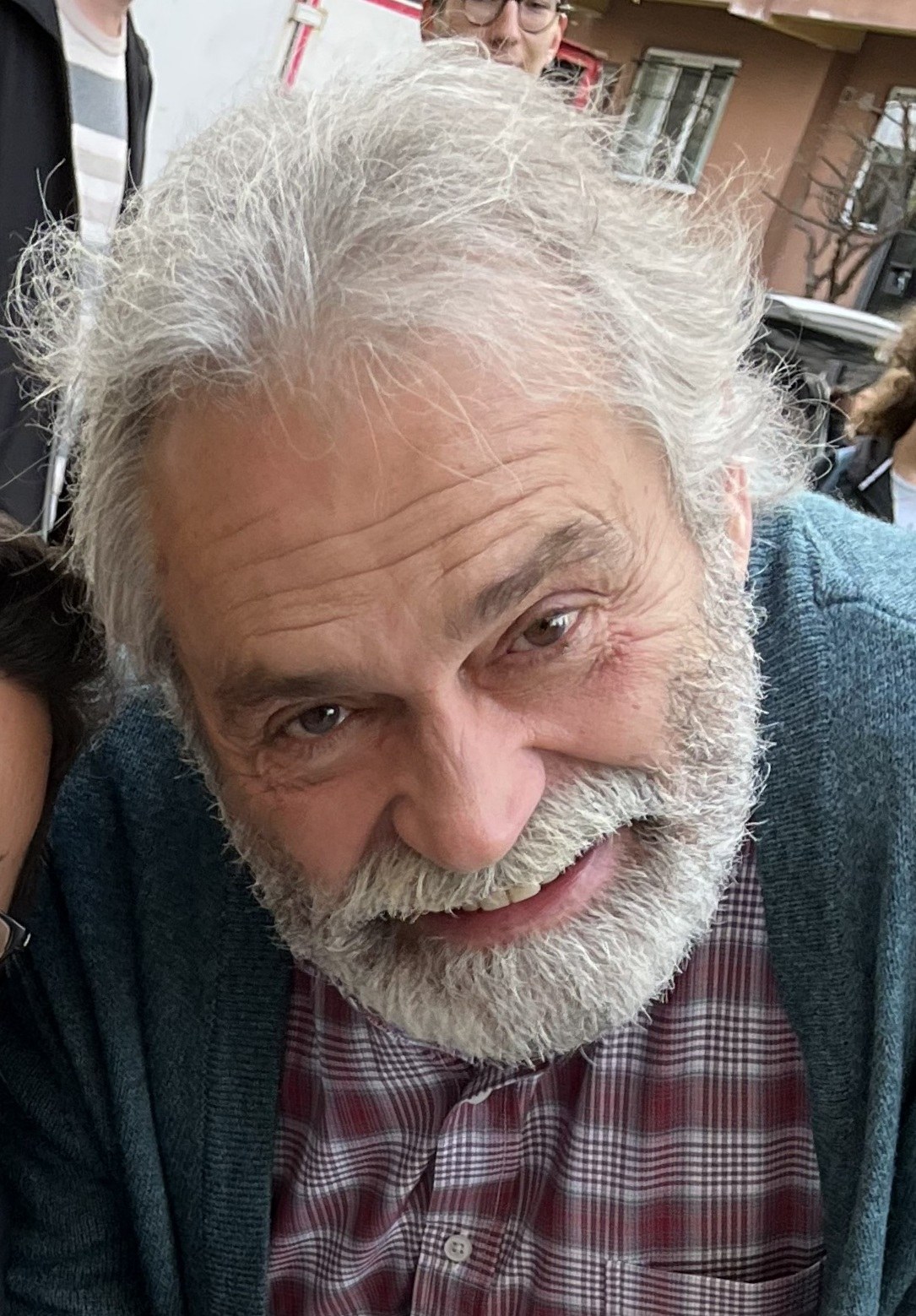
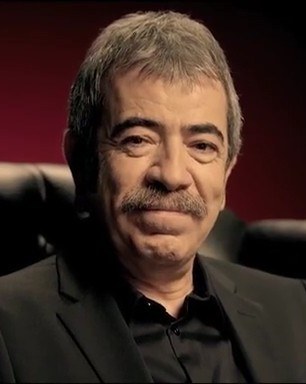
The story begins after the military takeover of May 27, 1960. A year later, head of state Cemal Gürsel (Sait Genay) announces he wants a fully domestic car and gives the job to the state railways. The 23 engineers gathered at the Eskişehir locomotive workshop have only 130 days before Republic Day. Short of money, materials and political calm, they put careers and family lives at risk. The cast includes Taner Birsel (Gündüz), Halit Ergenç (Uğur), Haluk Bilginer (Necip), Vahide Perçin (Suna), Selçuk Yöntem (Latif), Ali Düşenkalkar (Hayati) and Uğur Polat (Sami). Devrim is best remembered for running out of petrol and stalling at the holiday ceremony; the film tells that story in full.

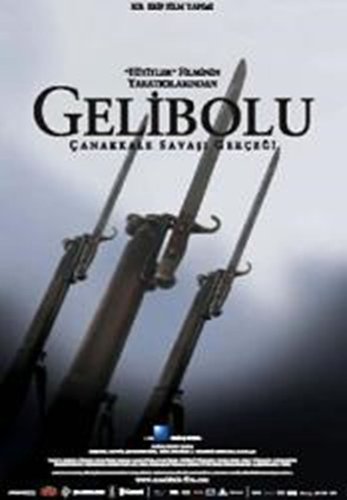
Örnek and Murat Dişli wrote the script after two years of research. Örnek's earlier documentaries include Hititler and Gelibolu. Demir Demirkan composed the music and Hasan Gergin handled cinematography.

DirectorTolga Örnek
Production companyEkip Film

Reactions

You can pick up to 3 reactions.

Cast

Through different eyes

History & Society Lens Asks about the period, the social background and what the work reflects.

Cars of the Revolution centers on an ambition announced after the military takeover of May 27, 1960: a fully domestic car. The film reads that goal as more than an industrial story, treating it as a mirror of a country wanting to rely on its own strength and of the political tensions of the time. Twenty-three engineers at the Eskişehir railway workshop, racing a 130-day deadline while short of money, materials and political calm, convey how fragile the ground under development ambitions was in those years. The engineers risking their careers and family lives adds a human dimension. Built on two years of research, the script treats the period seriously; still, it is worth remembering that a drama naturally puts its heroes in the foreground.

Cinephile Looks at script, editing and directing choices; keeps a distance from formula films.

Coming from the documentaries Hititler and Gelibolu, Tolga Örnek brought his research discipline with him into fiction; the two years of work with Murat Dişli show in the script's details. The 130-day countdown gives the film a solid dramatic spine, and the large ensemble of engineers is shared evenly among strong actors such as Haluk Bilginer, Taner Birsel and Halit Ergenç. Hasan Gergin's cinematography builds the workshop atmosphere with care. The weak spot is emotional emphasis: Demir Demirkan's score and some of the speeches tell the audience too plainly what to feel, and within 115 minutes several characters never get beyond their function. Still, it is a carefully made film that takes a rarely treated subject in Turkish cinema seriously.

Family Viewer Asks whether the whole household can watch it; cares about humor and heart.

Cars of the Revolution is a film the family can watch together, about respect for hard work and determination. Its subject is labor, not violence: engineers trying to build a domestic car in a short time. With middle- and high-school kids it can start a good conversation about history. Younger children may get bored by the political arguments and technical talk, and 115 minutes is long for them.

These are not reader reviews: they are short editorial takes written from different viewer perspectives with AI assistance. Reader reviews are below.

Reviews (0)

Log in Log in to write a review.

Comments