Mıstık

Mıstık

Movie · 1971 · 15 people

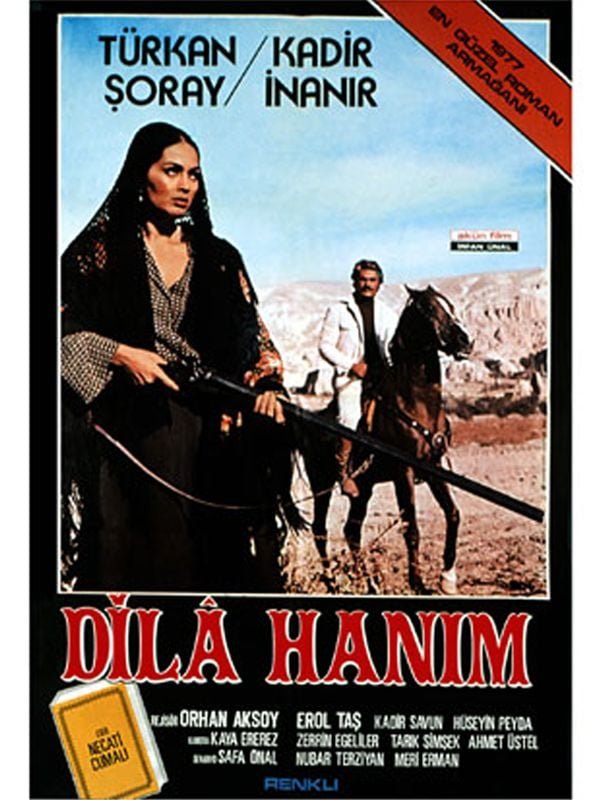
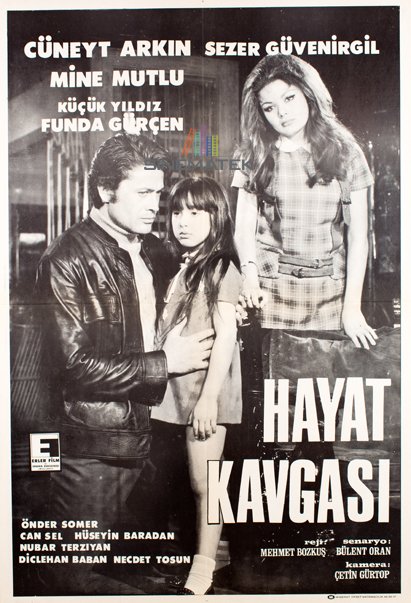
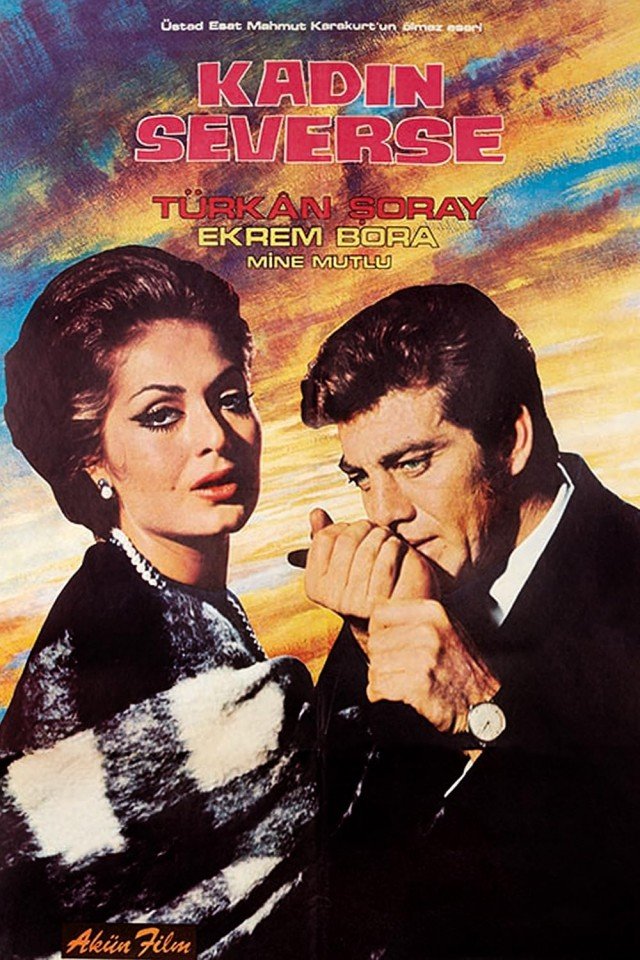
Ülkü Erakalın directed the Turkish colour film Mıstık in 1971; it was released on November 1, 1971. Blending sentimental drama with comedy, it was written by Bülent Oran and produced by Ümit Utku under the Kervan Film name. Müjdat Gezen plays the title role of Mıstık.

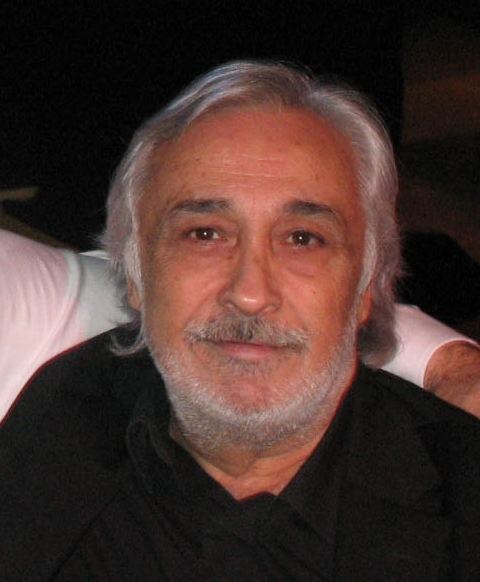
Set in a fairy-tale past, the story is about a villager who sets out to find a cure for his sick mother and is thrown into a dungeon by the country's cruel king; illness, captivity and the king are its main themes. Cahide Sonku plays the mother. Erol Taş is the sultan, Atıf Kaptan the chief physician, Nubar Terziyan the grandfather and Feridun Çölgeçen the vizier. Mine Mutlu plays the presenter, Ender Sonku is Gülnaz, Kayhan Yıldızoğlu plays the hunchback and Faik Coşkun the innkeeper; Nazan Adalı, Belkıs Dilligil, Aysel Gürel, Nezihe Güler, Arap Celal, Güven Şengil and Nermin Özses complete the cast.

Enver Burçkin was the cinematographer, Turgut İnangiray the editor and Nuri Tuğ the production manager, with Yorgo İlyadis on sound recording. Dubbing was done at Süperfon Studio, where Sadettin Erbil voiced Erol Taş, Nevin Akkaya voiced Mine Mutlu, Agah Hün voiced Atıf Kaptan and Rıza Tüzün voiced Nubar Terziyan; Nilgün Kasapbaşoğlu provided the voice of a bird.

DirectorÜlkü Erakalın
Production companyKervan Film

Reactions

You can pick up to 3 reactions.

Cast
Through different eyes

Yeşilçam Nostalgic A viewer raised on the classics, looking for warm storytelling and strong acting.

A child setting out to find a cure for a sick mother is one of Yeşilçam's favourite moral centres, and Mıstık dresses that simple, warm motif as a fairy tale. Seeing Erol Taş, the unforgettable face of so many villains, as the cruel sultan is a reminder of how firmly the film leans on the rules of its genre. Holding sentimental drama and comedy together is never easy; whether the balance holds depends on how well Müjdat Gezen's humour can make peace with sorrow. A sweet journey for anyone who misses old-fashioned fairy-tale films.

Family Viewer Asks whether the whole household can watch it; cares about humour and heart.

A fairy-tale story about a villager looking for a cure for his sick mother; who is good and who is bad is clear enough for children to follow. Still, being thrown into a dungeon and a cruel king may feel a little scary for the very young. With comedy and sentimental drama mixed together, expect a family evening of both laughs and tears. It looks suitable for school-age children watching with the grown-ups.

History & Society Lens Asks about the period, the social background and what the work reflects.

A villager left alone against the palace, the chief physician and the vizier: the set-up follows an old pattern of folk storytelling, the goodness of the weak against the cruelty of the strong. An ordinary person seeking a cure and running into power carries, even in fairy-tale dress, a helplessness audiences recognise easily. The film depicts no specific historical period, only a vague once-upon-a-time, so it is better read not as a historical picture but as a simplified mirror of the sense of justice. That simplicity lends the story universality, though the fairy-tale mould usually denies its characters depth.

These are not reader reviews: they are short editorial takes written from different viewer perspectives with AI assistance. Reader reviews are below.

Reviews (0)

Log in Log in to write a review.

Comments