Testament of Orpheus

Testament of Orpheus (Le Testament d'Orphée)

Movie · 1960 · 5 people

Jean Cocteau completed Testament of Orpheus in 1960, an experimental French film. Part fantasy and part drama, it runs 81 minutes and is seen as his last word on screen, closing the "Orphic Trilogy" that began with The Blood of a Poet and continued with Orphée. It is mostly black and white, with a few seconds of colour spliced in.

Cocteau wrote and directed it and plays the lead, an 18th-century poet who is in effect himself. The poet dies and is resurrected: hit by a bullet, he is thrown into another age, where life and death, present and future, mythological beings, imaginary creatures, anxieties and dreams run together outside any chronology. In one scene Cocteau walks past a double of himself and turns to look back, which critics have read as a look back over his whole body of work.

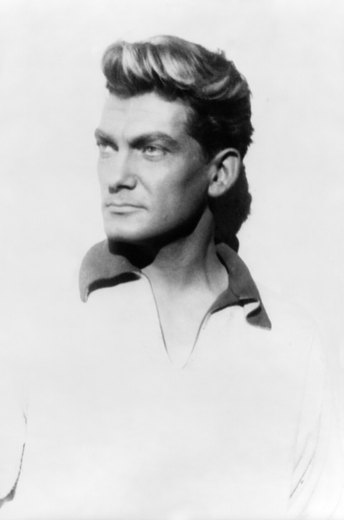
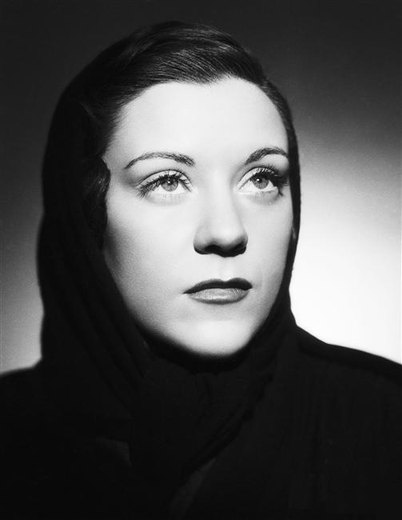
The cast brings together Cocteau's close companion Jean Marais, Jean-Pierre Léaud, Maria Casarès and François Périer, with guest turns from Pablo Picasso, Charles Aznavour and Yul Brynner. Georges Auric composed the score and Jean Thuillier produced. Lucien Clergue, a photographer Picasso had introduced to Cocteau, recorded the shoot in stills published as a book in 2001. The film was nominated for a BAFTA for best film.

DirectorJean Cocteau

Reactions

You can pick up to 3 reactions.

Cast

Only cast members with a profile on this site are listed.

Through different eyes

Cinephile Looks at script, editing and directing choices; keeps a distance from formula films.

Closing Cocteau's "Orphic Trilogy", this film is a treasure for anyone not expecting a classical narrative. Chronology is scattered on purpose: life and death, present and future, mythological beings and dreams all flow on the same plane. The scene where Cocteau passes his own double and turns to look back works as the film in miniature, an artist's last look over his whole body of work. The few seconds of colour spliced into the black and white belong to the same playfulness. But to be honest, precious as it is as a personal testament, it can feel closed and at times self-absorbed to anyone who doesn't know Cocteau's earlier work. The guest turns by Picasso, Aznavour and Yul Brynner play almost like a scrapbook of friends.

Yeşilçam Nostalgic A viewer raised on the classics, looking for warm storytelling and strong acting.

Seeing Jean Marais and Maria Casarès again brings a sweet melancholy to anyone who loves old French cinema. Cocteau is writer, director and the poet in the lead, and the film can be read as a farewell letter. But for a viewer who looks for story, character and warmth, this world of dreams and symbols can feel too cold and scattered. You admire it without ever quite getting inside. A precious gift for lovers of poetry, a demanding journey for those who want a story.

Action & Thriller Fan Puts pace, tension and set pieces first; little patience for slow drama.

Straight talk: this film is not for anyone after pace or tension. A poet is shot, thrown into another age, and then dreams, mythological figures and symbols blend together with no regard for chronology. Eighty-one minutes is short, but with no classical plot it can feel long. If you are curious about experimental cinema, give it a go; if you want action, steer clear.

These are not reader reviews: they are short editorial takes written from different viewer perspectives with AI assistance. Reader reviews are below.

Reviews (0)

Log in Log in to write a review.

Comments