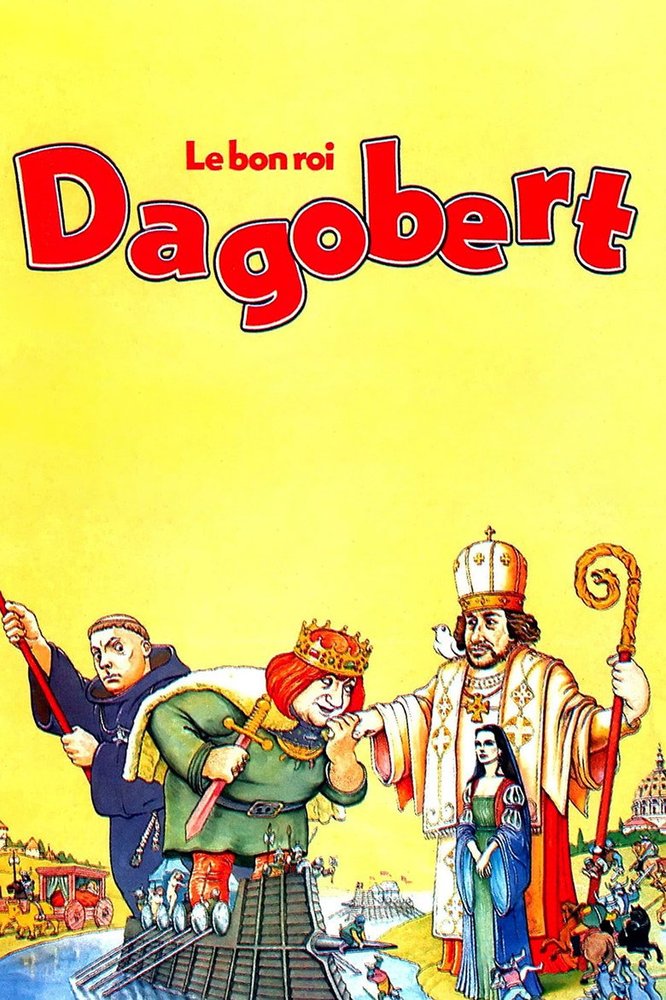
The Priest's Wife

The Priest's Wife (La moglie del prete)

Movie · 1970 · 13 people

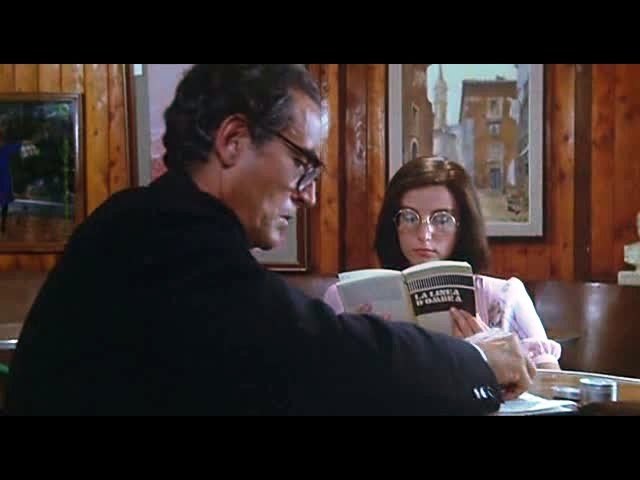
Director Dino Risi's The Priest's Wife (Italian: La moglie del prete, literally "the priest's wife") is an Italian-French co-production from 1970 that sits in the commedia all'italiana tradition. A comedy that is also described as a tragicomedy, it lasts roughly 109 minutes. French audiences know it as La Femme du prêtre, German ones as Die Frau des Priesters and Spanish ones as La mujer del cura, while the Portuguese title is A Mulher do Padre. Some catalogues date the film to 1971.

Sophia Loren and Marcello Mastroianni head the cast. Also appearing are Venantino Venantini, Pippo Starnazza, Miranda Campa, Nerina Montagnani, Dana Ghia, Giuseppe Maffioli, Gino Cavalieri and Brizio Montinaro. The picture arrived in the very year Italy legalised divorce, and its satire is aimed at the celibacy that the Catholic Church demands of its priests.

With foreign audiences in mind it was filmed in English, then dubbed over in a studio, which was the usual Italian practice back then. Loren's recording of the song Anyone was issued as a single. The script is by Ruggero Maccari and Bernardino Zapponi.

DirectorDino Risi

Reactions

You can pick up to 3 reactions.

Cast

Only cast members with a profile on this site are listed.

Marcello Mastroianni Marcello Mastroianni Actor · died at 72 Venantino Venantini Venantino Venantini Actor · died at 88 Sophia Loren Pippo Starnazza Miranda Campa Nerina Montagnani Dana Ghia Giuseppe Maffioli Augusto Mastrantoni Gino Cavalieri Brizio Montinaro Vittoria Crispo Jacques Stany
Through different eyes

Cinephile Looks at script, editing and directing choices; keeps a distance from formula films.

Dino Risi's La moglie del prete carries the commedia all'italiana knack for hiding sharp satire under a light surface. Bringing Sophia Loren and Marcello Mastroianni together in one story gives the film a strong centre of attraction from the start. Yet the fact that it is described both as a comedy and as a tragicomedy is a reminder that the balance between the two tones is not easy to strike; satire of this kind lives or dies by carrying laughter and serious questions at the same time. Shooting in English and dubbing in the studio was standard Italian practice then, but to today's viewer it may come across as a gap between voice and image in the performances.

History & Society Lens Asks about the period, the social background and what the work reflects.

The film came out in the very year Italy legalised divorce, and that timing gives its satire extra meaning. Its target, the celibacy the Catholic Church demands of its priests, fits a period when the tension between family, religion and personal choice was being argued over afresh. Questioning an institution's rules through a love story was a bold move for those years. Seen today, the film is a small but telling record of a fast-changing society settling accounts with its own institutions.

Family Viewer Asks whether the whole household can watch it; cares about humour and heart.

This is a satirical comedy aimed at adults. It pokes fun at the celibacy rule the Church sets for priests, and families who are sensitive about religion may find that uncomfortable. Its subject and humour are not made for children. For adults who love classic Italian cinema, though, it can make an enjoyable evening.

These are not reader reviews: they are short editorial takes written from different viewer perspectives with AI assistance. Reader reviews are below.

Reviews (0)

Log in Log in to write a review.

Comments