Çalınan Buseler

Stolen Kisses (Baisers volés)

Movie · 1968 · 4 people

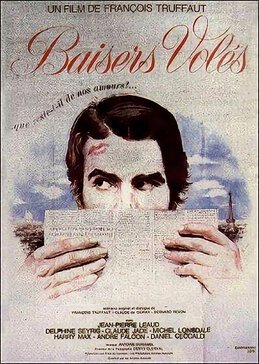
François Truffaut made Stolen Kisses (Baisers volés) in 1968, a French New Wave romantic comedy-drama and the third film of his five-part Antoine Doinel cycle, which began with The 400 Blows (1959) and Antoine and Colette (1962) and went on with Bed & Board (1970) and Love on the Run (1979). It won the Louis Delluc Prize, the Grand prix du cinéma français and the Méliès Prize, and drew Oscar and Golden Globe nominations in 1969.

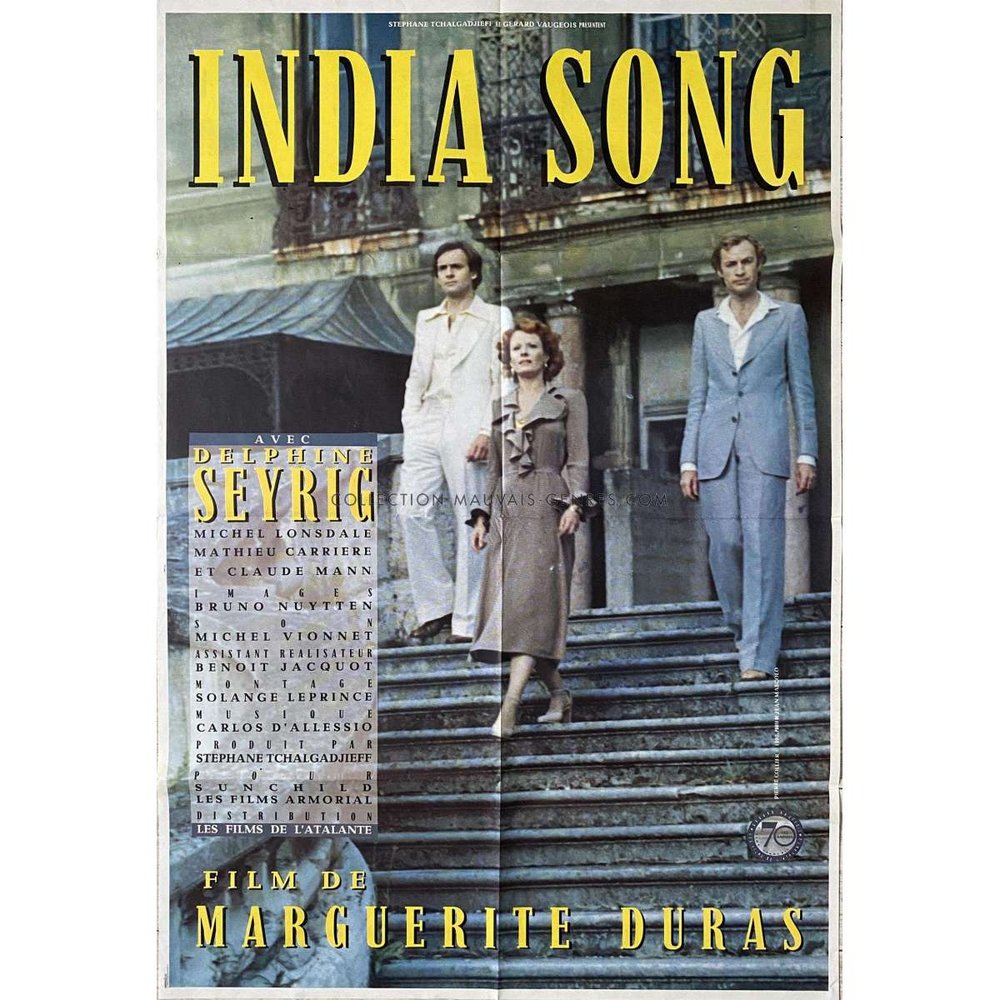
Dismissed from the army, Antoine Doinel (Jean-Pierre Léaud) seeks work and love in Paris. He falls for Christine Darbon (Claude Jade; her father is played by Daniel Ceccaldi), loses a hotel night-watchman job after two men try to force their way into a guest's room, and joins a detective agency. Meeting Fabienne (Delphine Seyrig), wife of the client Georges Tabard (Michael Lonsdale), turns his life upside down. The story is said to draw on Balzac's Le Lys dans la vallée.

The screenplay is by Truffaut, Claude de Givray and Bernard Revon, and Truffaut and Marcel Berbert produced it. Denys Clerval shot it, Antoine Duhamel scored it, and the budget was about 350,000 dollars. The title comes from Charles Trenet's song "Que reste-t-il de nos amours ?". The opening shows the Cinémathèque Française's locked gates, a nod to the Langlois affair, the government's dismissal of the institution's head.

DirectorFrançois Truffaut
Production companyLes Films du Carrosse

Reactions

You can pick up to 3 reactions.

Cast

Only cast members with a profile on this site are listed.

Through different eyes

Cinephile Looks at script, editing and directing choices; keeps a distance from formula films.

The third link in Truffaut's Antoine Doinel cycle turns the pain of The 400 Blows into a light, almost scattered-looking grace. The film deliberately moves in a loose, episodic way: the night-watchman job, the detective agency and the romantic indecision are linked not by tight causality but by Antoine's drifting. Jean-Pierre Léaud's skittish, hasty energy is what carries this structure, while Delphine Seyrig brings a weight that shifts the film's tone. The locked Cinémathèque gates at the opening are an elegant note pinning a personal story to film history. Some viewers may count the lack of dramatic tension as a flaw; to my mind, this lightness is the New Wave at its most mature.

History & Society Lens Asks about the period, the social background and what the work reflects.

Stolen Kisses doesn't depict the turbulent mood of 1968 France directly, but it isn't wholly separate from it either. The locked gates of the Cinémathèque Française at the opening are a clear nod to the Langlois affair, in which the government dismissed the institution's head. Beyond that, the film follows a young man discharged from the army as he looks for work and love and tries to find a footing in the city; his jobs, from night watchman to detective, can be read as a small observation on the unsteady working lives of young people at the time. The upheaval of meeting Fabienne, in a story drawn from Balzac, quietly suggests gaps of generation and standing. Don't expect a political film; this one catches its era's spirit from the margins.

Action & Thriller Fan Puts pace, tension and set pieces first; little patience for slow drama.

Hear 'detective agency' and you expect some tailing and some tension; the film goes somewhere else entirely. The point here isn't a crime but Antoine trying to find his way in life. The pace is slow, and the scenes are full of conversations and small moments. For anyone after speed and excitement, it can be hard going. At least at 87 minutes it doesn't drag on. I'll leave this one to art-house fans.

These are not reader reviews: they are short editorial takes written from different viewer perspectives with AI assistance. Reader reviews are below.

Reviews (0)

Log in Log in to write a review.

Comments