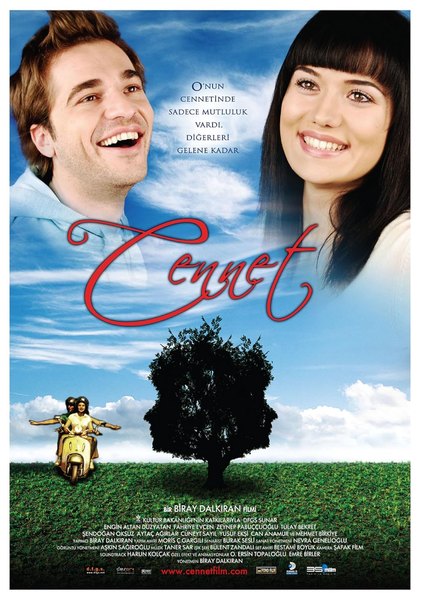
Paradise (Cennet)

Paradise (Cennet) (translated)

Movie · 2007 · 12 people

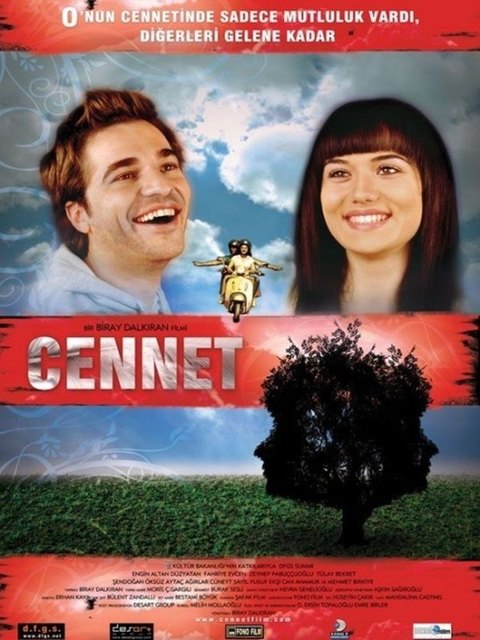
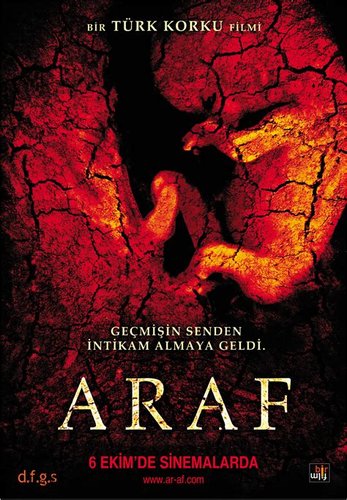
Biray Dalkıran directed and produced Cennet (Paradise), a Turkish psychological drama from 2007. After Araf (2006), a horror film he wrote, produced and directed, it is his second feature. The film was made by Düş Fabrikası Görüntü Sanatları Yapım with a grant of 225,000 New Turkish Lira from the Ministry of Culture and Tourism's cinema support board. Its visual effects were a joint Turkish and British effort, and effects teams from both countries worked with the director on more than twenty minutes of dream and paradise sequences.

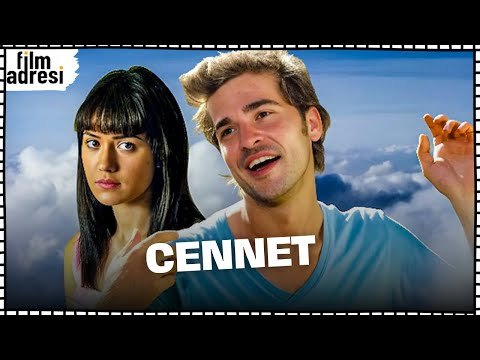
The story centers on Can, a young man who built a private imaginary world after losing his mother in childhood and has been treated in a psychiatric hospital for years. Engin Altan Düzyatan plays Can, and Fahriye Evcen plays his imaginary friend. Zeynep Papuççuoğlu, Şendoğan Öksüz and Mehmet Birkiye share the leading roles, with Aytaç Ağırlar, Tülay Bekret and Cüneyt Sayıl among the other notable cast members.

The screenplay is by Burak Sesli, who came to film from music video directing. Effects due from Britain arrived late and pushed the release back to April 11, 2008. The film stayed in cinemas for twelve weeks, drawing 24,774 viewers and 166,295 lira at the box office.

DirectorBiray Dalkıran
Production companyDüş Fabrikası
Paradise (Cennet) Paradise (Cennet)

Reactions

You can pick up to 3 reactions.

Cast

Engin Altan Düzyatan Engin Altan Düzyatan Actor · 47 years old Can Fahriye Evcen Fahriye Evcen Actor · 40 years old Tamar Zeynep Aşkar Tülay Bekret Mehmet Birkiye Şendoğan Öksüz Şendoğan Öksüz Actor · 55 years old Dr. Ahmet Aytaç Ağırlar Cüneyt Sayıl Can Anamur Yusuf Eksi Nurten Helik Biray Dalkıran
Also in the cast: Zeynep Papuççuoğlu
Through different eyes

Cinephile Looks at script, editing and directing choices; keeps a distance from formula films.

Cennet chooses to tell a psychological drama largely through dream and fantasy sequences, and therefore through visual effects, an ambitious choice for a Turkish production. The problem is that in a structure like this, however carefully the effects are made, what really carries the film is the dramatic solidity of the scenes set in the real world. In my view the script is far keener to build Can's inner world than to look at him from outside, which at times turns the shifts between fantasy and reality into showpieces. After the horror of Araf, Dalkıran's move to a more inward story is a risk worth respecting, but the result is fragmented rather than whole.

Family Viewer Asks whether the whole household can watch it; cares about humor and heart.

The subject is heavy: a young man who lost his mother as a child and has spent years in a psychiatric hospital. It isn't a film for young children, and they would struggle to follow it anyway. It can work with high-school-age teenagers, ideally with a talk afterwards. If someone at home has recently lost a loved one, watch it yourself first and then decide.

History & Society Lens Asks about the period, the social background and what the work reflects.

The film centers on mental health and on how a childhood loss can turn into a rupture lasting years, a subject I'd say is rare in Turkish cinema and still seldom discussed in society. That it was made with support from the Ministry of Culture and Tourism shows state funding could also reach experimental projects with little commercial calculation behind them. On the other hand, an audience of just over 24,000 makes plain how hard it is for ambitious but difficult films like this to find their public in cinemas. That gap between its ambition and the way it met its audience makes it an interesting example of its time.

These are not reader reviews: they are short editorial takes written from different viewer perspectives with AI assistance. Reader reviews are below.

Reviews (0)

Log in Log in to write a review.

Comments