Press

Press

Movie · 2010 · 13 people

Sedat Yılmaz wrote, directed and edited the Turkish drama Press. It is his first feature film, is described as both a drama and a political film, and runs about 100 minutes. The English word was chosen for the title because it means both the work of journalism and the pressure on journalists. The film was selected for the 47th Antalya Golden Orange International Film Festival. Sources date it to both 2009 and 2010, and it opened in Turkey on March 18, 2011.

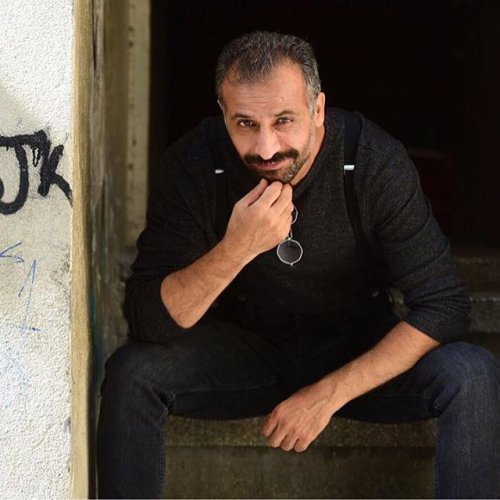
The story is set in 1992, in the Diyarbakır office of the newspaper Özgür Gündem, during the conflict-ridden and turbulent 1990s. A small team of journalists tries to report human rights violations in the region and make them known. One of them, Faysal, stumbles on the trail of a gang linked to the army and associated with many unsolved murders. He starts receiving death threats after the story but refuses to give up. Yet there are many obstacles: technical shortcomings, bureaucracy, finding somewhere to print the photographs and getting them to Istanbul. Hakan Karsak stars.

The film avoids a loud, agitational tone. The director makes his side clear, but what he ultimately stands for is people's freedom to receive and report the news.

DirectorSedat Yılmaz

Reactions

You can pick up to 3 reactions.

Cast
Through different eyes

History & Society Lens Asks about the period, the social background and what the work reflects.

Press approaches the dark years of the 1990s through unsolved murders and the pressure on the press. Set in 1992 in the Diyarbakır office of Özgür Gündem, the story shows that journalism was not only about writing the news but an everyday struggle to find somewhere to print the photographs and get them to Istanbul. Those details convey the period better than grand speeches would. The film's sympathies are clear, but what it ultimately defends is the freedom to receive and report the news, an issue every viewer, whatever their views, should think about. For generations who did not live through those years, it is a valuable act of memory.

Cinephile Looks at script, editing and directing choices; keeps a distance from formula films.

A bold debut feature for Sedat Yılmaz. With the same person writing, directing and editing, the film has a consistent language: choosing a cool-headed approach over loud agitation, and refusing to hand the weight of its subject over to slogans, is a real sign of maturity. Packing a double meaning into the title, the work of journalism and the pressure on journalists, is also smart. Its weakness is that this restraint sometimes dampens the dramatic tension; as the technical shortcomings, bureaucracy and threats pile up, the characters don't always get room to deepen. Still, its selection for the Golden Orange festival is no surprise: this is a film that tries to make an impact without raising its voice.

Family Viewer Asks whether the whole household can watch it; cares about humor and heart.

A film with a heavy subject: it deals with death threats, unsolved murders and human rights violations. It isn't suitable to watch with young children. It can work with high-school-age teenagers, but it's a good idea to talk afterwards and let older relatives who remember those years share what they know. Worth choosing if you want something thought-provoking rather than entertaining.

These are not reader reviews: they are short editorial takes written from different viewer perspectives with AI assistance. Reader reviews are below.

Reviews (0)

Log in Log in to write a review.

Comments