Samanyolu

The Milky Way (La Voie lactée)

Movie · 1969 · 15 people

The Milky Way (La voie lactée) is a 1969 French-Italian-West German co-production directed by Luis Buñuel. Usually described as a surrealist comedy-drama, it blends road movie and religious satire around the historical disputes over heresy in Christianity. Buñuel later called it the first part of a trilogy about "the search for truth", with The Discreet Charm of the Bourgeoisie and The Phantom of Liberty.

The title is a popular name for the pilgrimage road from northern Europe to Santiago de Compostela in Galicia, Spain. At the centre of the story are two vagabonds, Pierre and Jean, who set out from Paris in the twentieth century. They hitchhike, walk and beg their way toward the cathedral where the apostle James is said to be buried. Paul Frankeur plays Pierre and Laurent Terzieff plays Jean. Time and place keep shifting, and the pair meet Jesus, the Virgin Mary, the Marquis de Sade and the Devil. Alain Cuny, Michel Piccoli and Delphine Seyrig appear in short roles.

Buñuel wrote the screenplay with longtime collaborator Jean-Claude Carrière, who also has a small part. The film opened in France on 15 March 1969 and won the Interfilm Award at the Berlin Film Festival. It met with limited success at first but is now well regarded.

DirectorLuis Buñuel

Reactions

You can pick up to 3 reactions.

Cast

Only cast members with a profile on this site are listed.
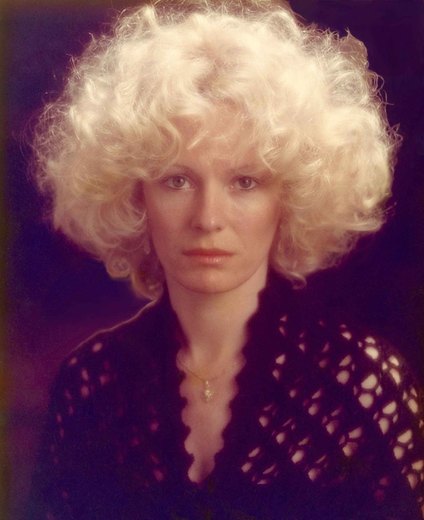
Delphine Seyrig Delphine Seyrig Actor · died at 58 Claude Cerval Actor · died at 51 Paul Frankeur Laurent Terzieff Michel Piccoli Jean-Claude Carrière Pierre Clémenti Alain Cuny François Maistre Bernard Verley Georges Marchal Édith Scob Julien Bertheau Julien Guiomar Claudio Brook
Through different eyes

Cinephile Looks at script, editing and directing choices; keeps a distance from formula films.

Buñuel deliberately takes classical narrative apart here: the two wanderers' journey to Santiago de Compostela serves as a skeleton, but time and place keep sliding. The script he wrote with Carrière turns the road movie into a parade of ideas, which is why Buñuel later counted it as the first part of his 'search for truth' trilogy. The trouble is that the episodic structure can shut out viewers unfamiliar with the heresy disputes of Christian history; some episodes land as sharp satire while others come close to a dry lecture. That the film found little success at first and gained standing over time is both the price and the reward of that difficulty.

History & Society Lens Asks about the period, the social background and what the work reflects.

It matters that the heroes are two vagabonds: doctrinal disputes that occupied church authority for centuries are seen through the eyes of two ordinary men begging their way down the road. The pilgrimage route's place in Europe's shared history strengthens the choice. Having this pair set out from Paris in the twentieth century and meet figures from the past suggests the heresy debates are not a closed chapter of history but a living inheritance of thought. In my view the film targets less faith itself than the relations of authority built around dogma; for viewers who keep that distinction in mind, the satire also offers a historical reading.

Family Viewer Asks whether the whole household can watch it; cares about humour and heart.

This isn't a family film. It's a religious satire that puts figures like Jesus, the Virgin Mary and the Devil on screen, with time and place changing all the time, so children won't be able to follow it and will get bored quickly. Older relatives who are sensitive about religion may also be bothered by parts of it. For teenagers and adults curious about philosophy and history, it's a choice worth talking over afterwards.

These are not reader reviews: they are short editorial takes written from different viewer perspectives with AI assistance. Reader reviews are below.

Reviews (0)

Log in Log in to write a review.

Comments