Diary of a Chambermaid

Diary of a Chambermaid (Le Journal d'une femme de chambre)

Movie · 1964 · 3 people

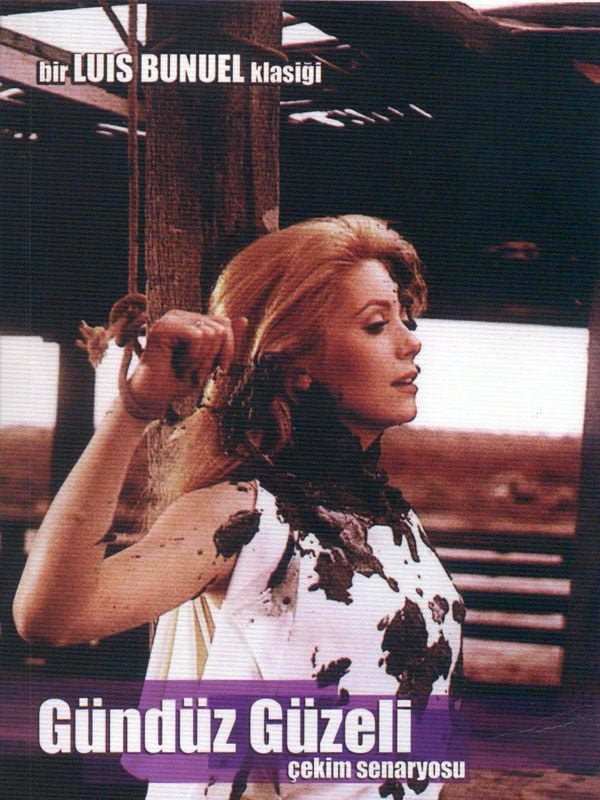
Spanish-born Luis Buñuel shot Le Journal d'une femme de chambre (Diary of a Chambermaid) in France in 1964, a satirical drama and French-Italian co-production. It draws on Octave Mirbeau's 1900 novel of the same name. Buñuel wrote the script with Jean-Claude Carrière in their first collaboration, reworking the novel extensively. They went on to make Belle de Jour (1967) and The Discreet Charm of the Bourgeoisie (1972). The film is in French and runs 97 minutes.

Jeanne Moreau plays Célestine, a chambermaid who comes from Paris to her new employers' estate in Normandy. Her allure stirs admiration and envy among owners and servants, and she tries to keep her autonomy amid corruption, violence and sexual obsession. The characters look plain at first, but questions multiply as the film goes on. The cast also includes Michel Piccoli, Georges Géret, Daniel Ivernel and Dominique Zardi.

A sharp satire on the French provincial bourgeoisie between the wars, the film brands its reactionary traditions as signs of rising fascism. Buñuel's anarchism and contempt for the bourgeoisie show here, yet it is among his more realistic films, with little of the earlier surrealism. The novel was also filmed by Jean Renoir (1946, Hollywood) and Benoît Jacquot (2015).

DirectorLuis Buñuel

Reactions

You can pick up to 3 reactions.

Cast

Only cast members with a profile on this site are listed.

Through different eyes

Cinephile Looks at script, editing and directing choices; keeps a distance from formula films.

The first collaboration between Buñuel and Jean-Claude Carrière, this film reads like a herald of the Belle de Jour and The Discreet Charm of the Bourgeoisie that would follow. Mirbeau's novel has been freely rewritten into a satire built in a more realistic idiom, with little room for the surrealism of Buñuel's early work. Jeanne Moreau's Célestine, trying to keep her autonomy amid the corruption around her, is a hard figure to read, and the film draws its strength from that ambiguity. The way characters who look ordinary at first gradually turn into question marks is the product of controlled, masterful storytelling. Those expecting surreal excess may find it plain, but that plainness sharpens the critique rather than blunting it.

History & Society Lens Asks about the period, the social background and what the work reflects.

The film turns a sharp satirical eye on the provincial bourgeoisie of Normandy between the wars and reads the reactionary traditions of that class as signs of rising fascism. The gaze of a chambermaid arrived from Paris exposes the hypocrisy of class hierarchy in the relationship between masters and servants. Corruption, violence and sexual obsession pile up beneath the outward calm of this order. Buñuel's contempt for the bourgeoisie is plain, yet the film works because it chooses to observe rather than preach. A thought-provoking portrait of an era for anyone who wants to understand how Europe drifted to the far right.

Family Viewer Asks whether the whole household can watch it; cares about humour and heart.

This is not a film for families. It deals with heavy subjects like corruption, violence and sexual obsession, so it isn't suitable for children or teenagers. It's also in French with subtitles. It could be an evening's choice for adults who love classic cinema, but if you're looking for something the whole household can sit down to together, look elsewhere.

These are not reader reviews: they are short editorial takes written from different viewer perspectives with AI assistance. Reader reviews are below.

Reviews (0)

Log in Log in to write a review.

Comments