The Source

The Source (La Source des femmes)

Movie · 2011 · 3 people

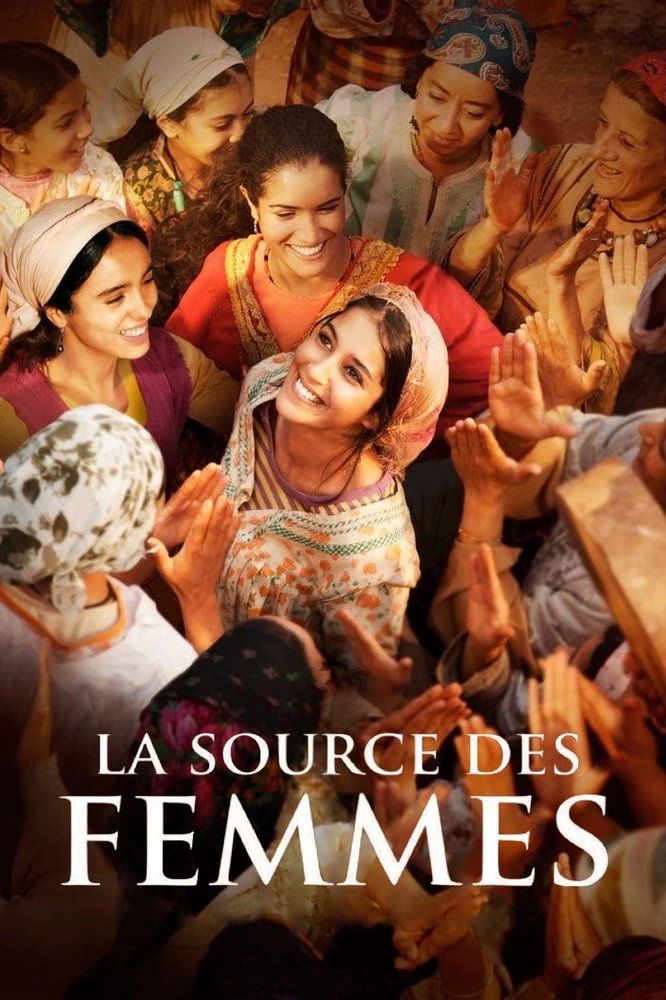
Radu Mihăileanu directed The Source (original title La Source des femmes), a 2011 comedy-drama. It treats the conflict between the sexes through its comic side. A co-production between France, Belgium and Italy, it is spoken in Arabic and French and runs about two hours and fifteen minutes. It was shown in the main competition of the 2011 Cannes Film Festival and earned two César nominations: Leïla Bekhti for best actress and Viorica Petrovici for best costume design.

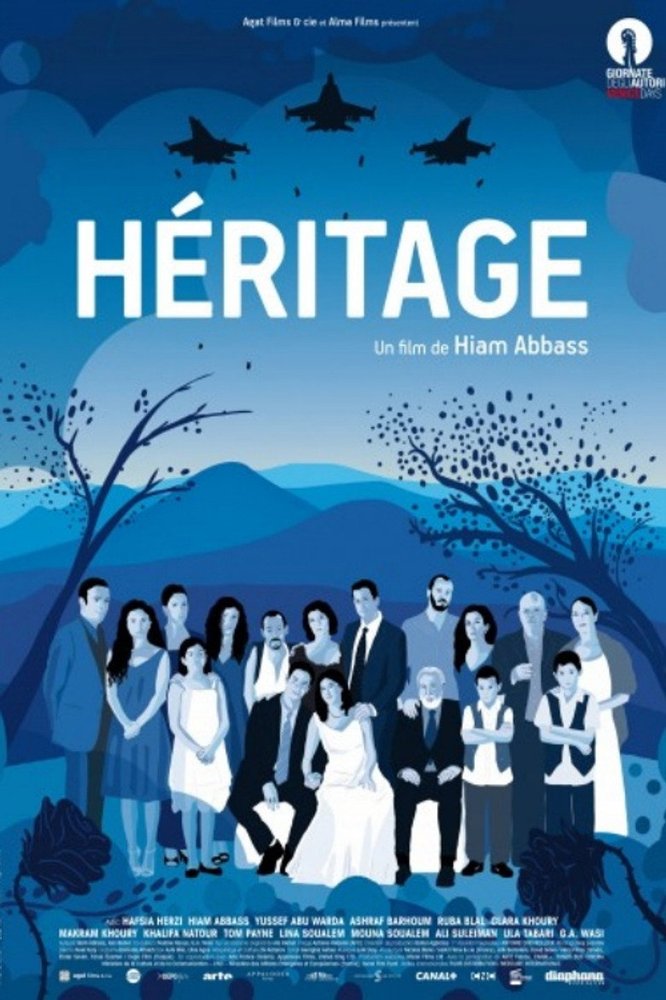
The story takes place somewhere in North Africa, in a remote village among the mountains. Every day the women have to take on the tiring and dangerous job of fetching water from a spring at the top of the mountain. Wanting the men to share that burden, they stage a sex strike, a bedroom boycott, to force the issue, and the balance of the village is shaken. Leïla Bekhti plays Leila, Hafsia Herzi plays Loubna, Hiam Abbass plays Fatima and Saleh Bakri plays Sami; Sabrina Ouazani, Karim Leklou and Zinedine Soualem also appear in the cast.

Mihăileanu wrote the screenplay together with Alain-Michel Blanc. The Romanian-born French director shot the film in Morocco.

DirectorRadu Mihaileanu

Reactions

You can pick up to 3 reactions.

Cast

Only cast members with a profile on this site are listed.

Through different eyes

History & Society Lens Asks about the period, the social background and what the work reflects.

The Source centres on a remote mountain village somewhere in North Africa, where fetching water from the spring at the top is left to the women alone. Its great strength is turning an everyday division of labour into a question of gender: whose back carries the work, and who makes the decisions? The women's bedroom strike shakes the village's order and puts that question in front of everyone. Spoken in Arabic and French and shot in Morocco, the film also carries the gaze of a Romanian-born French director, so some viewers may feel village life is drawn too schematically. Even so, it is a film that starts a conversation.

Family Viewer Asks whether the whole household can watch it; cares about humour and heart.

Let me say it up front: the story is about women staging a bedroom strike against the men. So this is not one for small children. The hard work of carrying water and how chores are shared between women and men are good topics to talk over with teenagers. It has its funny side, but it runs well over two hours, and the older folks at home may get restless. I'd say it suits high-school age and up.

Yeşilçam Nostalgic A viewer raised on the classics, looking for warm storytelling and strong acting.

A village on a mountainside, women carrying water on their backs every day, and their patience... The picture recalls the hard-working women of our old village films. Leïla Bekhti's César-nominated role, alongside a cast that includes Hiam Abbass and Hafsia Herzi, carries the weight of the acting. The story chooses to tell of a serious injustice with the lightness of comedy; that is a brave choice, though it may not hold the balance between sorrow and laughter at every moment. For me, the real value lies in the human warmth hidden in the women's solidarity.

These are not reader reviews: they are short editorial takes written from different viewer perspectives with AI assistance. Reader reviews are below.

Reviews (0)

Log in Log in to write a review.

Comments