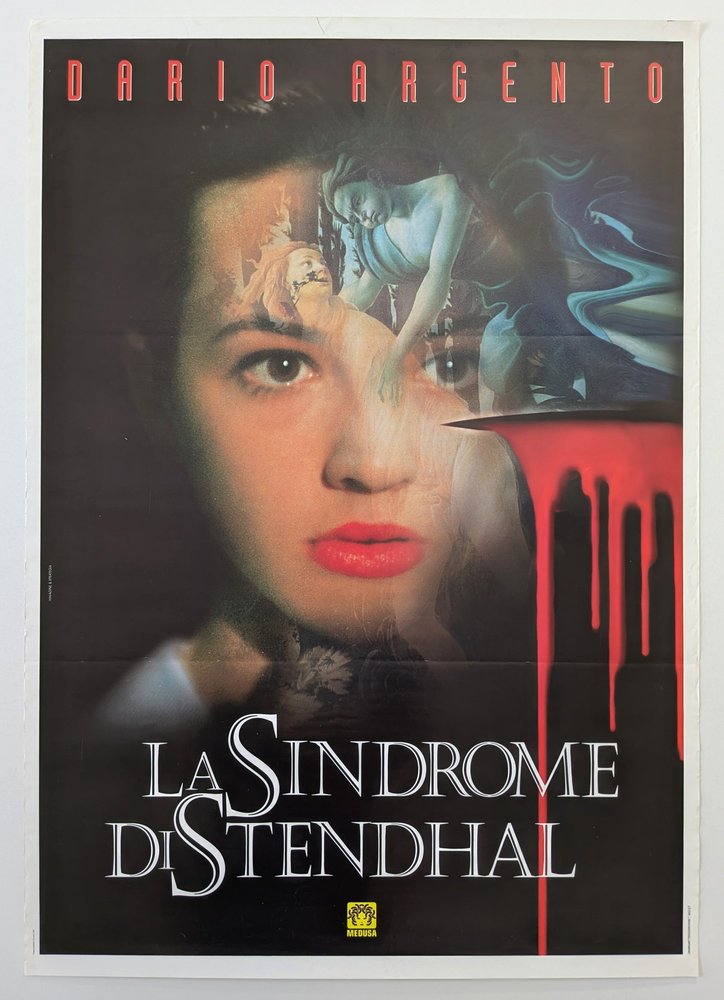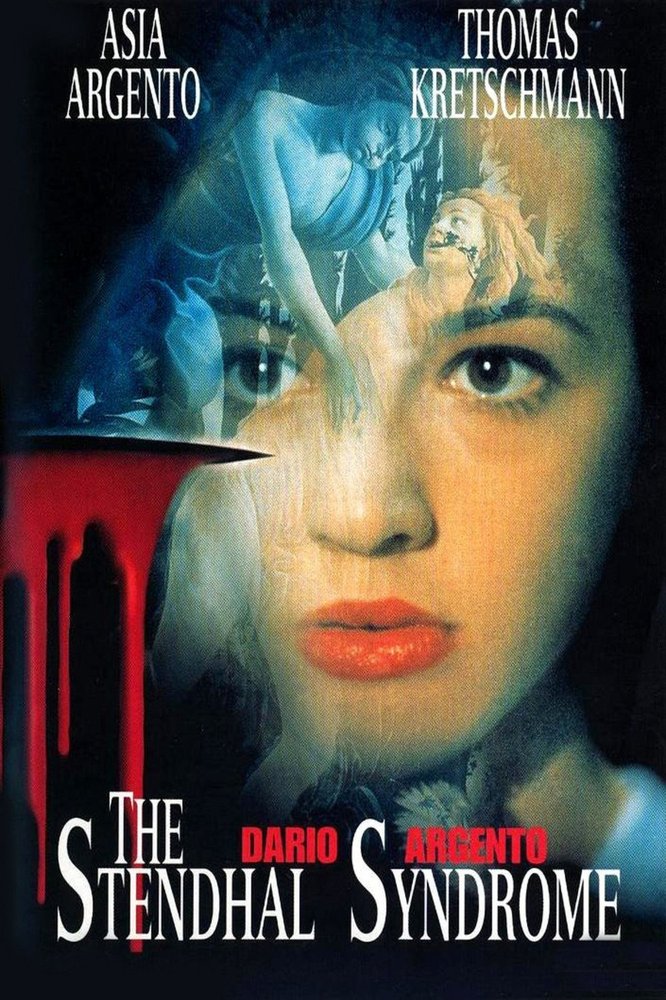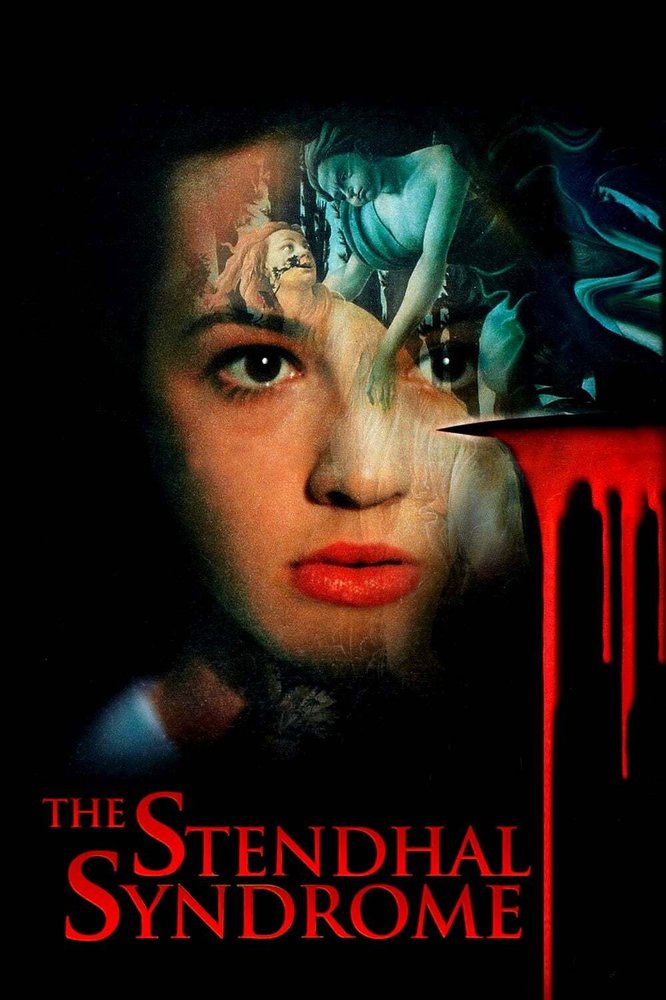
The Stendhal Syndrome

The Stendhal Syndrome (La sindrome di Stendhal)

Movie · 1996 · 15 people

A psychological thriller with roots in the giallo tradition, The Stendhal Syndrome was made in Italy in 1996 by Dario Argento, under the Italian title La Sindrome di Stendhal. When it opened there on 26 January 1996, critics and audiences both embraced it, and it took in roughly 5.4 billion lire. The title names the condition that sends people into a trance before works of art; the film draws on psychiatrist Graziella Magherini's book on it.

Argento's daughter Asia Argento stars. Anna Manni, a police detective working in Florence, is tracking Alfredo Grossi (Thomas Kretschmann), a serial killer who rapes and murders women. Standing before a painting in the Uffizi, she succumbs to Stendhal syndrome and falls into his hands. After surviving, her identity is shaken and the line between hunter and prey blurs. Marco Leonardi, Paolo Bonacelli and Luigi Diberti also appear. Unlike earlier Argento gialli, the killer's identity is known from the start, so the emphasis falls on psychological horror.

Argento wrote the script with Franco Ferrini, and Ennio Morricone composed the music. Argento says he fell into a similar trance as a child at the Parthenon. Anna was first meant for Bridget Fonda and then Jennifer Jason Leigh. It is the first Italian film to use computer-generated imagery, and it quotes artists from Bosch to Caravaggio and Magritte.

DirectorDario Argento
Production companyMedusa Film
The Stendhal Syndrome (La sindrome di Stendhal) The Stendhal Syndrome (La sindrome di Stendhal) The Stendhal Syndrome (La sindrome di Stendhal)

Reactions

You can pick up to 3 reactions.

Cast

Only cast members with a profile on this site are listed.

Thomas Kretschmann Thomas Kretschmann Actor · 64 years old Luigi Diberti Luigi Diberti Actor · 87 years old Asia Argento Marco Leonardi Paolo Bonacelli Lucia Stara Lorenzo Crespi Vera Gemma Veronica Lazăr Sandro Giordano Cinzia Monreale Julien Lambroschini Maximilian Nisi Marna Del Monaco Franco Diogene
Through different eyes

Cinephile Looks at script, editing and directing choices; keeps a distance from formula films.

Here Argento turns his own giallo formula inside out: the killer's identity is known from the start, so curiosity gives way to psychological horror. That structural choice turns the film into a study of a disintegrating identity rather than a whodunit, and using the paintings in the Uffizi as a trauma trigger makes art itself part of the narrative. The references from Bosch to Magritte and Morricone's score are its strongest layers. On the other hand, the computer effects, the first used in Italian cinema, look clearly dated today and weaken some scenes. In the second half the story also slips into repetition at times. A bold but uneven experiment.

Action & Thriller Fan Puts pace, tension and set pieces first; little patience for slow drama.

It starts as a cat-and-mouse game, and as the line between hunter and hunted blurs, the tension turns in a different direction. That part is genuinely unsettling. But the film plays out inside a detective's head more than as a classic hunt for a killer, which means the pace drags at times. If you want a fast police thriller you may get restless; if you want dark psychological suspense, you will find it.

Family Viewer Asks whether the whole household can watch it; cares about humour and heart.

This is definitely not one to watch with the family. The subject is a serial killer who rapes and murders women, and that violence sits at the centre of the story. Mental breakdown and trauma are also handled heavily. It is unsuitable for children and teenagers, and sensitive adults should know what they are getting into. It is only for adults who choose this genre knowingly.

These are not reader reviews: they are short editorial takes written from different viewer perspectives with AI assistance. Reader reviews are below.

Reviews (0)

Log in Log in to write a review.

Comments