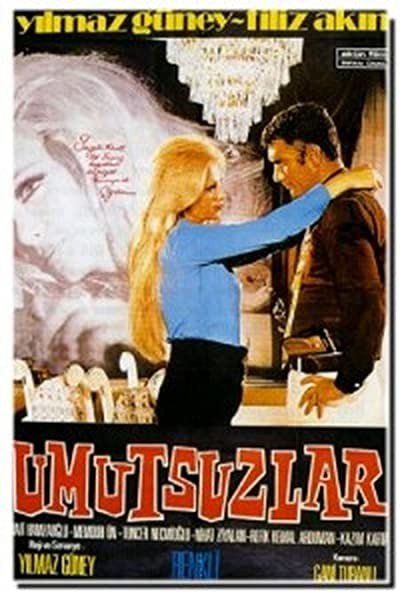
Hope (Umut)

Hope (Umut) (translated)

Movie · 1970 · 16 people

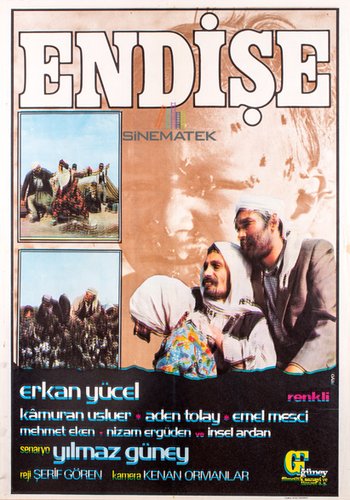
Yılmaz Güney wrote and starred in the 1970 black-and-white Turkish drama Umut (Hope in English), with Şerif Gören also credited on direction and script. It is known as the first realist film of Turkish cinema. It was censored at the time and went unreleased for a while, yet it won awards.

Güney plays Cabbar, an illiterate cab driver who makes a living with an old carriage drawn by two horses. He supports his wife Fatma (Gülsen Alnıaçık), elderly mother and five children in a shantytown, his one hope the lottery tickets he keeps buying. When a car kills one of his horses he cannot find the money for a new one, and creditors take the carriage and the other horse. Pushed by the porter Hasan (Tuncel Kurtiz) and with the blessing of a holy man (Osman Alyanak), Cabbar sets out to search the steppe for a legendary treasure.

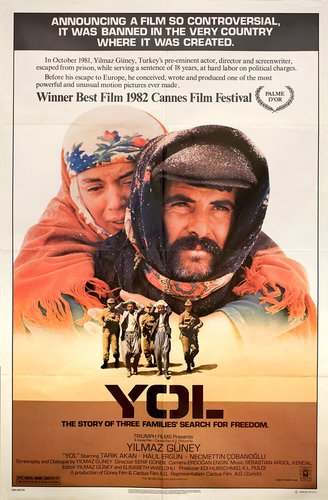
The film won awards in five categories at the 2nd Adana Golden Boll Film Festival, was screened at Cannes, and a restored version appeared in the Classics section in Venice in 2015. That year the Turkish Film Critics Association named it the best Turkish film of the century. Kaya Ererez shot it and Arif Erkin wrote the music.

DirectorYılmaz Güney
Production companyGüney Film

Reactions

You can pick up to 3 reactions.

Cast
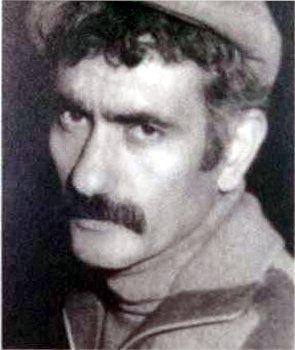
Yılmaz Güney Yılmaz Güney Actor · died at 47 Cabbar Tuncel Kurtiz Tuncel Kurtiz Actor · died at 77 Hasan Gülşen Alnıaçık Fatma Osman Alyanak Osman Alyanak Actor · 1911 – 1991 Hüseyin Hodja, the imam Enver Dönmez Pickpocket Sema Engin Cemile Nizam Ergüden Actor · died at 70 Nizam Hicret Gürson Lütfü Engin Grocer Ahmet Koç Ahmet Kemal Tatli Police chief Sevgi Tatli Hatice Semra Kaya Mehmet Eken Haci Bayram Kisacik Tayyar Ağa Kürşat Alnıaçık Kürşat Alnıaçık Actor · 63 years old Memet Emin

Through different eyes

Yeşilçam Nostalgic A viewer raised on the classics, looking for warm storytelling and strong acting.

For an eye used to Yeşilçam's tearful melodramas, Umut is a jolting exception. There is no promise of a happy ending and no comfort to soothe the audience; Cabbar's poverty is shown plainly, without decoration. Yılmaz Güney chooses to play Cabbar without turning him into a hero, as a helpless, naive and stubborn man, and that courage is the heart of the film. It is no surprise that the Turkish Film Critics Association named it the best Turkish film of the century. Still, viewers looking for warmth and consolation should know that a bleak journey, not an easy one to digest, awaits them.

Cinephile Looks at script, editing and directing choices; keeps a distance from formula films.

Umut matters because it brought a realist film language into Turkish cinema with a determination never seen before. Kaya Ererez's black-and-white images have an almost documentary plainness, and the narrative is built not on big events but on small, irreversible losses. The line running from the horse's death to the treasure hunt opens out from social realism into something close to allegory, and the film stitches those two tones together seamlessly. What can be criticized is its uncompromising, slow rhythm, which asks today's viewer for real patience. Yet that heaviness is also how the film conveys hope turning into obsession. Its standing as a turning point in Turkish cinema is well earned.

History & Society Lens Asks about the period, the social background and what the work reflects.

Umut condenses the pains of urbanization into the story of a carriage driver. A car killing his horse works almost as a symbol of an era: old ways of earning a living lose out to the speed of the new city. That the illiterate Cabbar looks for salvation not in work but in lottery tickets and a legendary treasure shows how poverty pushes people toward unreal hopes. Debt, creditors and feeding a large family are handled as the everyday reality of shantytown life. The fact that it was censored at the time suggests how uncomfortable the picture it painted was found to be.

These are not reader reviews: they are short editorial takes written from different viewer perspectives with AI assistance. Reader reviews are below.

Reviews (0)

Log in Log in to write a review.

Comments