Austerlitz

Austerlitz

Movie · 1960 · 4 people

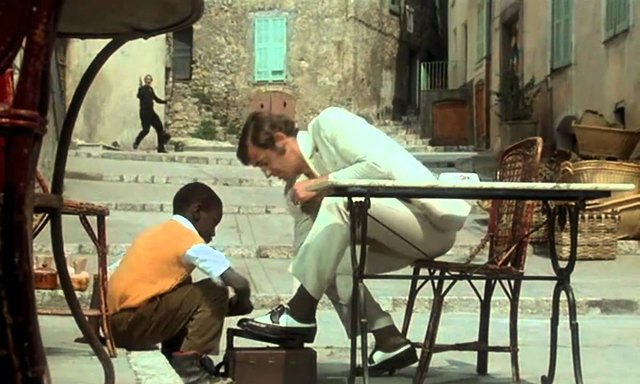
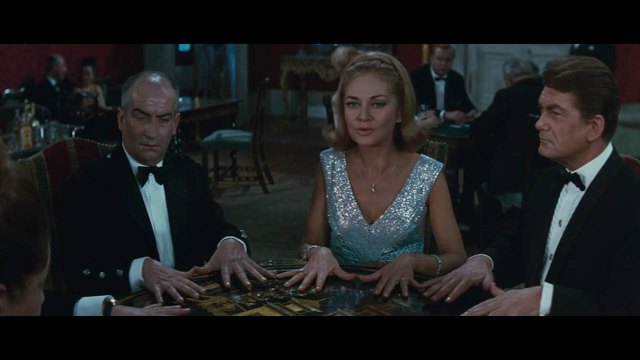
Abel Gance directed Austerlitz, a large-scale period spectacle and historical drama of 1960. A co-production of France, Italy and Yugoslavia, it was shot in French and runs 166 minutes. Its subject is the young Napoleon Bonaparte's love affairs and first military successes, and the story climbs to the victory at the Battle of Austerlitz, which gives the film its title.

Pierre Mondy plays Napoleon, and Leslie Caron appears as the emperor's mistress, Élisabeth Le Michaud d'Arçon. The cast is the production's most striking feature, a broad international line-up: Jean Marais, Claudia Cardinale and Jean-Louis Trintignant share the screen with Orson Welles, Jack Palance, Vittorio De Sica, Rossano Brazzi, Martine Carol and Michel Simon. Jacques Castelot, Anna Maria Ferrero, Anna Moffo, André Certes and Elvira Popescu round out the roster.

Gance, Nelly Kaplan and Roger Richebé worked together on the screenplay. The film was released as Austerlitz – Glanz einer Kaiserkrone in Germany, Historia escrita con sangre in Spanish-speaking markets, La battaglia di Austerlitz in Italy and A Batalha de Austerlitz in Brazil.

DirectorAbel Gance

Reactions

You can pick up to 3 reactions.

Cast

Only cast members with a profile on this site are listed.

Through different eyes

Yeşilçam Nostalgic A viewer raised on the classics, looking for warm storytelling and strong acting.

If there is such a thing as sighing over a cast list, Austerlitz is that film: Orson Welles, Vittorio De Sica, Claudia Cardinale, Jean Marais, Michel Simon. This is the cinema of old-fashioned grand period films, of costume and splendour, and Abel Gance's name lends it extra weight. But with such a crowded cast, one shouldn't expect to linger over every beloved face. While Napoleon's loves and victories unfold, the heart longs for more warmth, a chance to settle into one character and bond with them. Magnificent, but distant at times.

Action & Thriller Fan Puts pace, tension and set pieces first; little patience for slow drama.

It's named after a battle, and the story climbs towards the victory at Austerlitz, so expecting big battle scenes is natural. But a good share of the 166 minutes goes to young Napoleon's love affairs. The climax may be big, but getting there takes patience. Fine for an evening when you're ready for a long period film; far too long if you want a fast war movie.

History & Society Lens Asks about the period, the social background and what the work reflects.

Austerlitz stages Napoleon less as a statesman or master strategist to be analysed than as a legendary figure, through the love affairs and first military successes of his youth. As a co-production of France, Italy and Yugoslavia with a cast full of international stars, it reflects how 1960s European cinema turned history into grand spectacle. The way the story peaks with the victory at Austerlitz also gives away its point of view: this is cinema that glorifies rather than questions. It is better watched not as a history lesson but as a heroic narrative of its own era.

These are not reader reviews: they are short editorial takes written from different viewer perspectives with AI assistance. Reader reviews are below.

Reviews (0)

Log in Log in to write a review.

Comments