Nausea (Bulantı)

Nausea (Bulantı)

Movie · 2015 · 6 people

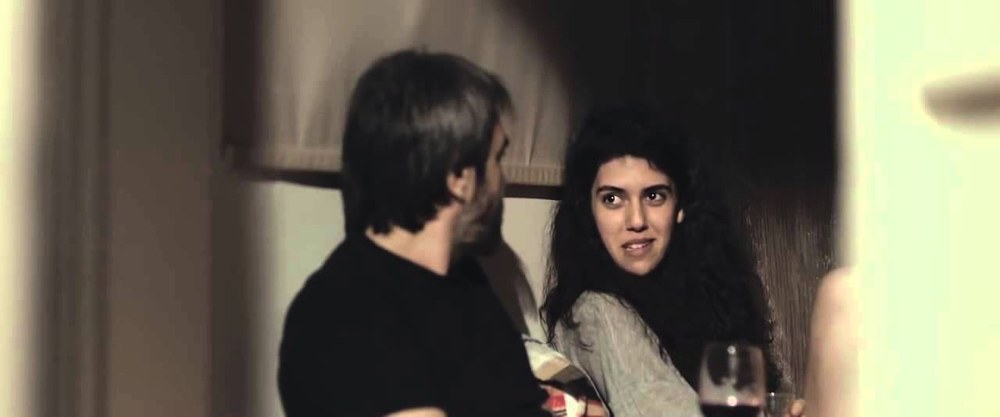
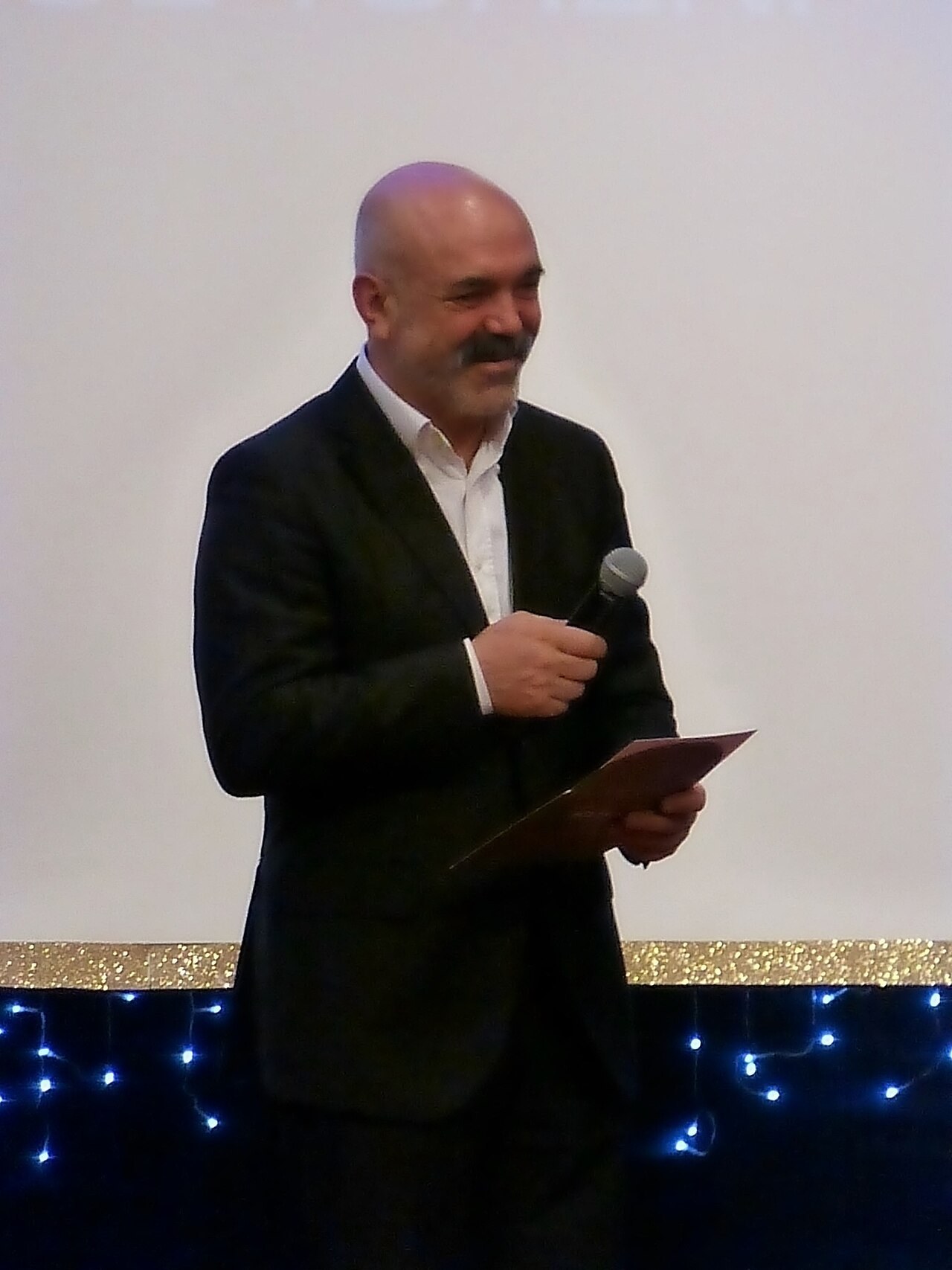
Zeki Demirkubuz wrote and directed Nausea (Bulantı), a Turkish drama in which he also plays the lead. A psychological and emotional story, it opened on October 2, 2015, and runs 116 minutes. Demirkubuz has said he found no actor willing to do the film's love scenes, so he played Ahmet himself. He calls it his most personal work, since it carries a piece of himself. The credits name Jean-Paul Sartre as the source author.

At its center is Ahmet, a man who does "intellectual work" and thinks highly of himself. The night he spends with his lover, his wife and little daughter die in a traffic accident, but as someone who cares for no one and bows to nothing he carries on, barely touched by the loss. After a while, for no visible reason, odd mishaps arrive one after another, his bonds with the women he loves sour, and he shows weaknesses nobody expected of him.

Şebnem Hassanisoughi (Neriman) and Öykü Karayel (Aslı) share the other leads, and Çağlar Çorumlu (Beşir), Ercan Kesal (the Doctor), Kaan Turgut (Selçuk), Cemre Ebüzziya (Özge) and Nurhayat Kavrak (Elif) are also in the cast. Producers are Başak Emre and Ahmet Boyacıoğlu, the cinematographer is Türksoy Gölebeyi, and Mavi Film made it. Critics reacted largely negatively.

DirectorZeki Demirkubuz
Production companyMavi Film
Nausea (Bulantı)

Reactions

You can pick up to 3 reactions.

Cast

Also in the cast: Cemre Ebuzziya, Nurhayat Kavrak

Through different eyes

Cinephile Looks at script, editing and directing choices; keeps a distance from formula films.

Nausea is a film Zeki Demirkubuz wrote, directed and stars in, and which he considers his most personal work; Sartre's name in the credits invites an existentialist reading. Ahmet's near indifference to his loss is a bold choice that deliberately makes the character repellent. The problem is that the film struggles to turn this coldness into productive tension with the audience: the run of mishaps becomes repetitive rather than meaningful, and the 116 minutes drag in places. The director playing the lead himself is a sincere move, but the cost of carrying the load in front of and behind the camera at once shows in the performance. The largely negative critical response is understandable; still, for anyone following Demirkubuz's cinema it is an uncomfortable experiment worth arguing about.

History & Society Lens Asks about the period, the social background and what the work reflects.

Nausea can be read as a portrait of a state of mind: a self-regarding man who does 'intellectual work' and claims to live without attachment to anyone holds up an uncomfortable mirror to the loneliness of a certain withdrawn intellectual type. Ahmet's near indifference to the death of his wife and little daughter makes us ask how easily family bonds and responsibility can wear away. The souring of his relationships with the women he loves, and the weaknesses no one expected of him, also expose the fragile side of masculinity. The film does not debate these questions openly; it offers them as an atmosphere, which keeps it from being a work everyone can easily approach.

Family Viewer Asks whether the whole household can watch it; cares about humor and heart.

This is not a film for family viewing. The main character's wife and little daughter die in a traffic accident, and he barely seems to care. The subject is heavy, the mood bleak, the relationships broken. There are love scenes too. It is not suitable for children or teenagers. Adults who like heavy psychological dramas are better off watching it on their own.

These are not reader reviews: they are short editorial takes written from different viewer perspectives with AI assistance. Reader reviews are below.

Reviews (0)

Log in Log in to write a review.

Comments