French Cancan

French Cancan

Movie · 1955 · 15 people

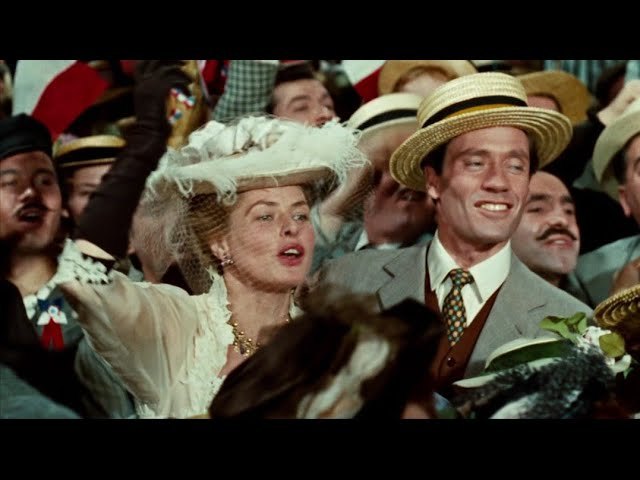
French Cancan, also known as Only the French Can, is a 1955 French-Italian co-production written and directed by Jean Renoir. A mix of musical comedy and drama, it is a tribute to the café-concert world of nineteenth-century Paris, with plenty of song and dance. It runs about 100 minutes. Jean Gabin, Françoise Arnoul and María Félix share the leading roles.

The story recreates the birth of the famous Moulin Rouge through the life of an impresario, and the screen is filled with the popular singers and dancers of the day. The cast also includes Philippe Clay, Michel Piccoli, Valentine Tessier, Anna Amendola, Franco Pastorino, Giani Esposito and Albert Rémy. Édith Piaf and André Claveau are among those who appear. The idea for the story came from André-Paul Antoine.

Renoir's previous film, The Golden Coach (1952), had dealt with eighteenth-century Italian commedia dell'arte, whereas French Cancan turns to the Parisian variety stage. Its images recall the paintings of Edgar Degas and the Impressionists, a group that includes the director's father, Pierre-Auguste Renoir. The film is also regarded as Renoir's return to France and to French cinema after an exile that began in 1940.

DirectorJean Renoir

Reactions

You can pick up to 3 reactions.

Cast

Only cast members with a profile on this site are listed.

Albert Rémy Actor · died at 55 Laure Paillette Laure Paillette Film actor · died at 71 Jean Gabin María Félix Françoise Arnoul Michel Piccoli Valentine Tessier Anna Amendola Franco Pastorino Édith Piaf André Claveau Lydia Johnson Giani Esposito André Numès Fils André Philip
Through different eyes

Cinephile Looks at script, editing and directing choices; keeps a distance from formula films.

Renoir's previous film, The Golden Coach, had turned to commedia dell'arte; French Cancan carries the same passion for the stage into the Parisian variety world. Placed side by side, the two films sharpen the director's view of spectacle as life itself. That its images recall Degas and the Impressionists can be read as a deliberate link to the legacy of his father, Pierre-Auguste Renoir. My reservation: in musicals of this kind, which tell the birth of the Moulin Rouge through an impresario's life, the story often becomes a thread strung between numbers, and the dramatic weight can end up in the shadow of song and dance. A feast for lovers of colour and movement, light fare for anyone after a taut drama.

History & Society Lens Asks about the period, the social background and what the work reflects.

The film is regarded as Renoir's return to France after an exile that began in 1940, and in that light it hardly looks accidental that a post-war French production gazes so fondly at the café-concert world of nineteenth-century Paris. The café-concert and the variety hall were popular entertainment; telling the birth of the Moulin Rouge means telling how popular amusement became an urban institution. The appearance of names such as Édith Piaf and André Claveau also ties the film to the entertainment world of the years it was made. Two eras, the cabaret of the past and the popular stage of the fifties, meet in the same frame; a work where nostalgia blends with history.

Family Viewer Asks whether the whole household can watch it; cares about humour and heart.

A musical comedy packed with song and dance; the colourful scenes can catch the eye of young and old. But the story is set in the world of café-concerts and night-time entertainment and has a dramatic side too, so small children may get bored. It seems better suited to musical-loving teenagers and adults. Watching with subtitles is an extra hurdle for the little ones.

These are not reader reviews: they are short editorial takes written from different viewer perspectives with AI assistance. Reader reviews are below.

Reviews (0)

Log in Log in to write a review.

Comments