Fuse (film)

Fuse (Gori vatra)

Movie · 2003 · 5 people

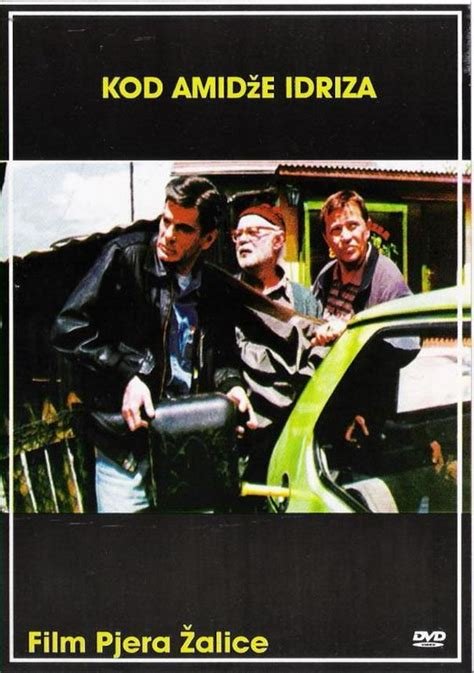
Pjer Žalica wrote and directed Gori vatra (“The Fire Is Burning”), released internationally as Fuse, a Bosnian comedy-drama from 2003. A co-production of Bosnia and Herzegovina, Austria and France, it is in Bosnian and runs about 105 minutes. It was Žalica's first feature film and looks at a post-war town where comedy and drama meet. He has named Gogol's play The Government Inspector as one of the inspirations for the script.

The story is set in the late 1990s in the Bosnian town of Tešanj. The townspeople are busy preparing for an upcoming visit by US President Bill Clinton. Corruption left by the war years has spread everywhere, yet everyone works together for days to stage a show so that from the outside everything looks fine. The cast includes Emir Hadžihafizbegović, Enis Bešlagić, Bogdan Diklić, Senad Bašić and Saša Petrović.

In 2003 the film won the Silver Leopard at the Locarno Film Festival and best film at the Sarajevo Film Festival. It also received a special mention at the European Film Awards. It was submitted as Bosnia and Herzegovina's entry for Best Foreign Language Film at the 76th Academy Awards but was not shortlisted.

DirectorPjer Žalica

Reactions

You can pick up to 3 reactions.

Cast

Only cast members with a profile on this site are listed.
Emir Hadžihafizbegović Actor · 65 years old Enis Bešlagić Bogdan Diklić Senad Bašić Saša Petrović

Through different eyes

Cinephile Looks at script, editing and directing choices; keeps a distance from formula films.

Žalica's nod to Gogol's The Government Inspector is apt, because the film's spine is the same: a collective sham built around an important visitor who is expected any day. That frame gives the story a solid dramatic clock, turning every step of the preparations into a countdown that is funny and painful at once. Holding comedy and drama in the same scene without one flattening the other is no small feat for a debut feature. My main reservation is the familiar risk of ensemble pieces that try to portray a whole town: as the crowd grows, some characters edge from people towards types and the individual stories thin out. Still, few films braid satire and the bitter legacy of war this tightly.

History & Society Lens Asks about the period, the social background and what the work reflects.

The film captures a condition familiar to many societies emerging from war: the gulf between the shop window shown to outsiders and the rot behind it. There is a bitter irony in a town riddled with corruption managing to work shoulder to shoulder for days only when a US president is due to visit. The real question is who the show is staged for: the eyes of the world, or the story the town tells itself? By portraying late-1990s Bosnia not as a place waiting for foreign saviours but through people trying to cover up their own failings, it sets itself apart from the usual post-war drama.

Family Viewer Asks whether the whole household can watch it; cares about humour and heart.

Don't let the comedy label fool you. The humour here is mostly satire, and the corruption left by the war hangs over everything. Small children will struggle to follow the jokes and may well get bored. Watched with high-school-age teens, it can open a good conversation afterwards about war and honesty. In my view it suits adults and older teenagers best.

These are not reader reviews: they are short editorial takes written from different viewer perspectives with AI assistance. Reader reviews are below.

Reviews (0)

Log in Log in to write a review.

Comments