The Last Judgement

The Last Judgement (Il giudizio universale)

Movie · 1961 · 15 people

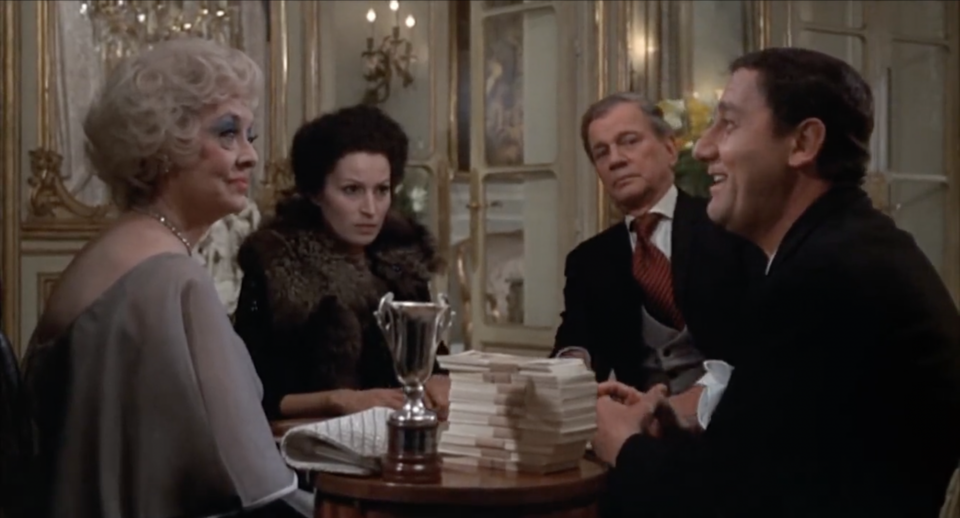
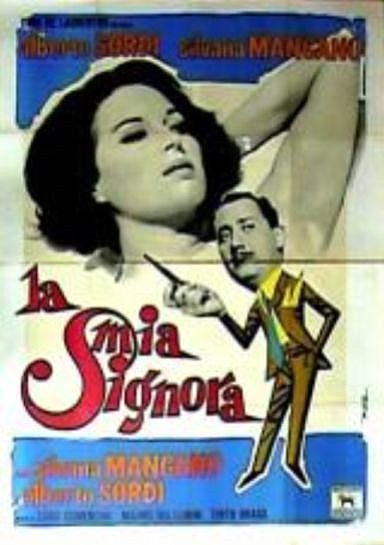
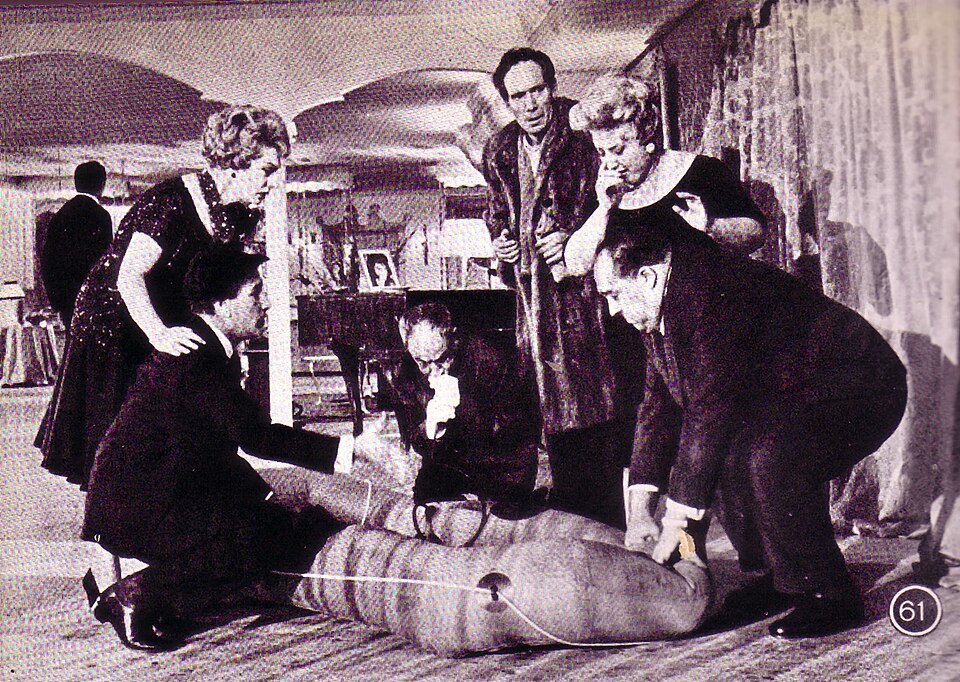
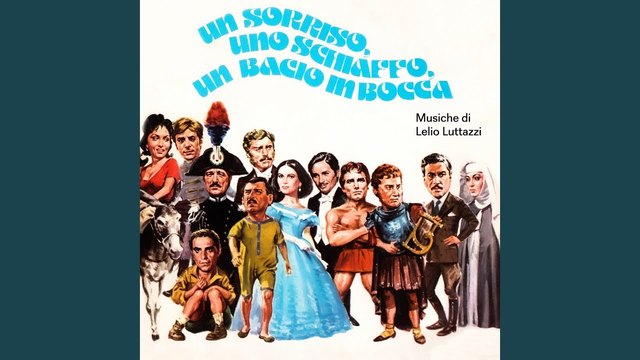
Il giudizio universale, released in English as The Last Judgment, is a 1961 Italian-French co-production, a social satire by Vittorio De Sica. Moving between comedy and drama, it belongs to the commedia all'italiana tradition. The screenplay is by Cesare Zavattini. Shot in Italian, it runs about 98 minutes and opened in Italy on October 26, 1961 and in Germany on September 28, 1962. In Germany it was titled Das Jüngste Gericht findet nicht statt.

The story is set in Naples. A mysterious voice from the sky announces that the day of judgment has come, and the city's inhabitants respond in widely different ways. The film follows these reactions in short episodes tinged with fear, resignation and mockery. Alongside Alberto Sordi and Silvana Mangano appear Vittorio Gassman, Nino Manfredi, Paolo Stoppa, Renato Rascel, Anouk Aimée, Melina Mercouri, Fernandel and Lino Ventura, with Americans Jack Palance and Ernest Borgnine joining this international ensemble.

The film was shot in black and white, except for the closing dance sequence in a theater, which is in color. On release it met harsh reactions from critics and audiences alike and remained a big flop.

DirectorVittorio De Sica

Reactions

You can pick up to 3 reactions.

Cast

Only cast members with a profile on this site are listed.
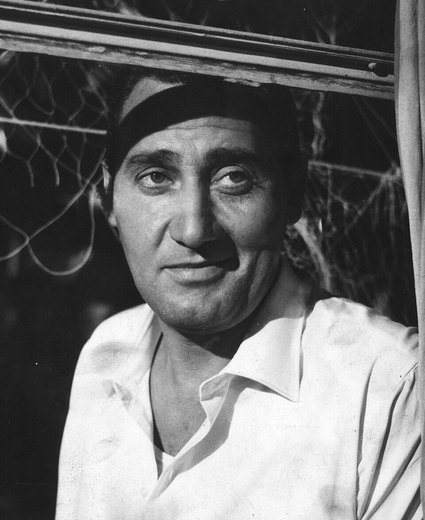
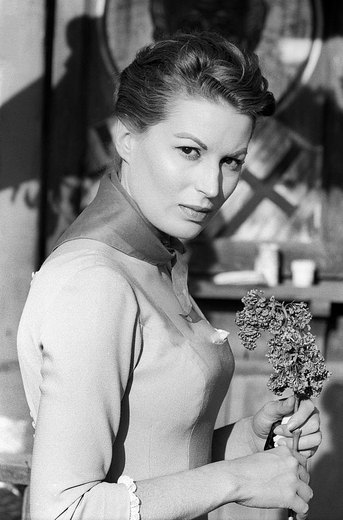
Alberto Sordi Alberto Sordi Film actor · died at 82 Silvana Mangano Silvana Mangano Actor · died at 59 Nicola Rossi-Lemeni Paolo Stoppa Vittorio Gassman Nino Manfredi Renato Rascel Anouk Aimée Melina Merkuri Jack Palance Fernandel Ernest Borgnine Eleonora Brown Elisa Cegani Lino Ventura
Through different eyes

Cinephile Looks at script, editing and directing choices; keeps a distance from formula films.

This De Sica and Zavattini experiment is structurally bold but scattered. Spreading a star-packed cast across short episodes built around reactions to the end of the world promises an intriguing panorama, yet so crowded an ensemble makes a single dramatic line hard to build. In my view the swings between comedy and drama also struggle to settle the tone. On the other hand, a black-and-white film switching to colour only for its closing dance sequence is a considered, memorable formal choice. That it flopped on release is no surprise; still, it's an interesting side road for anyone curious about the history of commedia all'italiana.

History & Society Lens Asks about the period, the social background and what the work reflects.

Bringing the end of the world down to everyday life in Naples is a classic route for social satire: faced with a great fear, people show their true faces. Reactions that swing between fear, resignation and mockery let the film weigh a whole city's moral landscape at once. Its Italian-French production and the American actors in its cast also point to the international reach of European cinema at the time. The harsh response from critics and audiences may have had something to do with a satire holding up a mirror in which viewers recognised themselves too well; that's a guess, but one worth considering.

Family Viewer Asks whether the whole household can watch it; cares about humour and heart.

The end-of-the-world premise may sound frightening, but this is a comedy-drama that mixes fear with mockery. Its short episodes cut both ways: if one doesn't grab you, the next soon starts, but there's no single story to hold on to. The idea of death and judgment may unsettle young children; it suits teens and adults better. Young viewers not used to old black-and-white films will need a little patience.

These are not reader reviews: they are short editorial takes written from different viewer perspectives with AI assistance. Reader reviews are below.

Reviews (0)

Log in Log in to write a review.

Comments