After the Revolution (Devrimden Sonra)

After the Revolution (Devrimden Sonra) (translated)

Movie · 2011 · 19 people

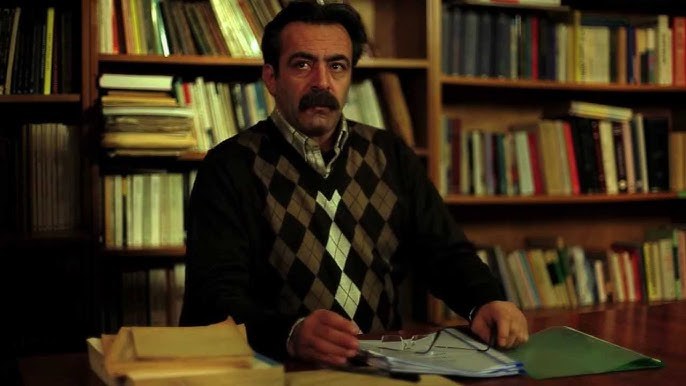
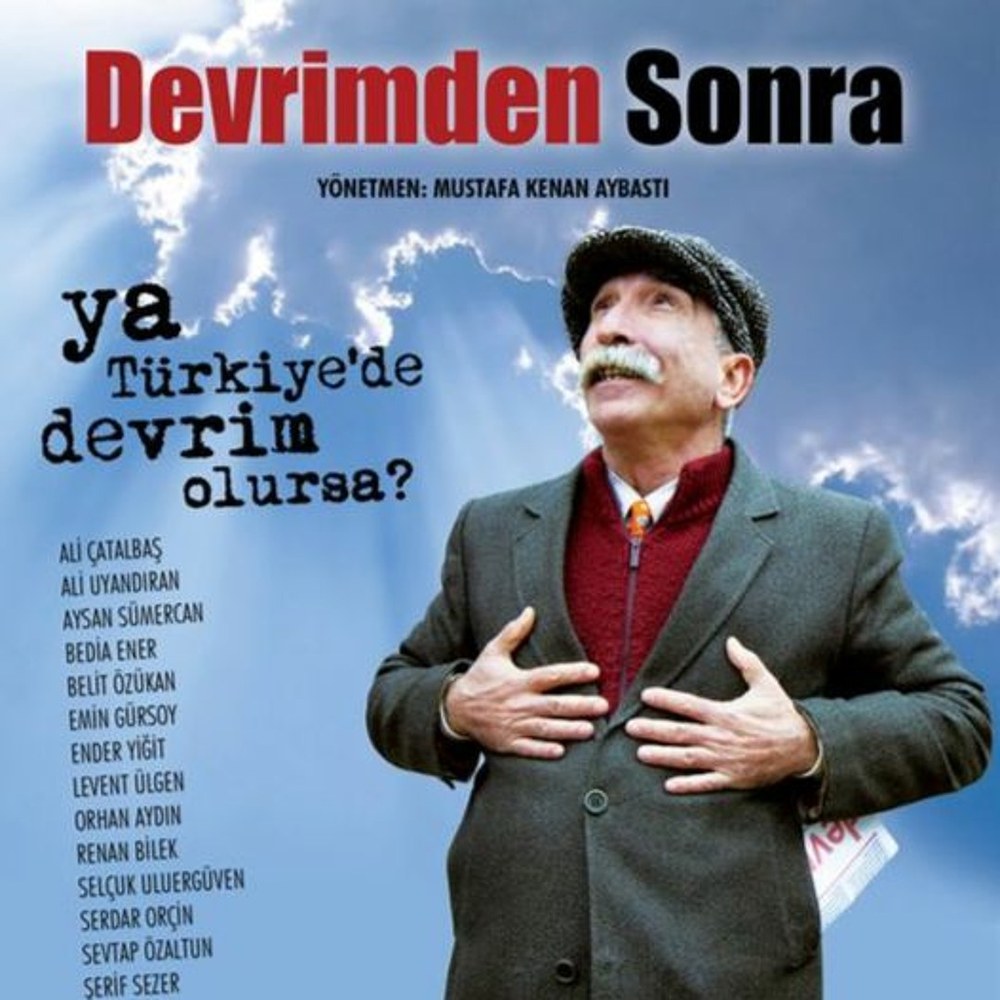
On May 6, 2011, the Turkish political drama Devrimden Sonra ("After the Revolution") was released. Mustafa Kenan Aybastı wrote and directed it, taking viewers to an imagined Turkey where a socialist revolution has happened. The film comes from the Nâzım Hikmet Cultural Center, an organization that makes room for independent productions.

The narrative is woven from twelve separate stories, each asking how the political and social upheaval would reach an ordinary citizen's daily life. Factories have been nationalised, health, education and transport are free, and everyone owns the home they live in. The new order brings amazement and joy and perhaps fear. The film asks whether everything would really turn out better, or whether the new system would have flaws of its own, and in doing so paints a utopian portrait of Turkey.

The large cast includes Fırat Tanış, Cezmi Baskın, Menderes Samancılar, Mert Fırat, Levent Ülgen, Metin Coşkun, Suna Selen, Aytaç Arman, Şerif Sezer, Serdar Orçin and Timur Acar. The score is not by a single composer but carries the shared signature of Cahit Berkay, Akın Eldes, Emin İgüs, Ayşe Tütüncü and Volkan Akkoç.

DirectorMustafa Kenan Aybastı
Production companyNâzım Hikmet Kültür Merkezi
After the Revolution (Devrimden Sonra)

Reactions

You can pick up to 3 reactions.

Cast

Through different eyes

AI-assisted editorial takes written from different viewer perspectives. They are not reader reviews; those are below.

Cinephile Looks at script, editing and directing choices; keeps a distance from formula films.

Devrimden Sonra sets out from a bold premise and works it through a structure of twelve separate stories. This kind of episodic construction lets the same question be tested across different lives, which suits a film of ideas. But fitting twelve stories into one feature leaves each one only a few minutes, with little room for characters to deepen. In such structures, differences in rhythm and quality between the stories are easy to feel. Coming out of the Nâzım Hikmet Cultural Center as an independent production gives real worth to its effort to carry a big idea with limited means. The score, a shared signature of names such as Cahit Berkay and Akın Eldes, lends the film a collective spirit.

History & Society Lens Asks about the period, the social background and what the work reflects.

Devrimden Sonra invites viewers to imagine, at the scale of daily life, a hypothetical Turkey where a socialist revolution has taken place. The question of what ordinary people would feel in an order where factories are nationalised, health, education and transport are free, and everyone owns the home they live in brings the film closer to a thought experiment than a political manifesto. Its acceptance that the new order might stir fear alongside joy and carry flaws of its own matters, because it keeps the utopia from becoming uncritical praise. Some may feel it approaches the subject from a single perspective; still, it is a film that starts a conversation about social order.

Action & Thriller Fan Puts pace, tension and set pieces first; little patience for slow drama.

A post-revolution Turkey sounds exciting, and Devrimden Sonra is a film of ideas that puts it up for debate. Twelve separate stories show ordinary people reacting to the new order; there's more talk and questioning than conflict or chases. Because the stories are short, the tension never really climbs in any of them. Luckily it is kept short and doesn't drag. Hard going if you want pace, a short experiment if you're curious.

Reviews (0)

Log in Log in to write a review.

Comments